The common foxglove (Digitalis purpurea) is a plant that captures the imagination – a towering, bell-shaped flower in a kaleidoscope of colors, instantly evoking a sense of fairytale enchantment. But beyond its beauty lies a vital consideration: foxglove is profoundly toxic. Despite this caution, its allure remains strong, and successfully growing these remarkable biennials can bring a dramatic and rewarding splash of color to your garden. Let’s delve into the specifics, moving beyond basic planting instructions to truly understand how to nurture these captivating plants and maximize their potential.
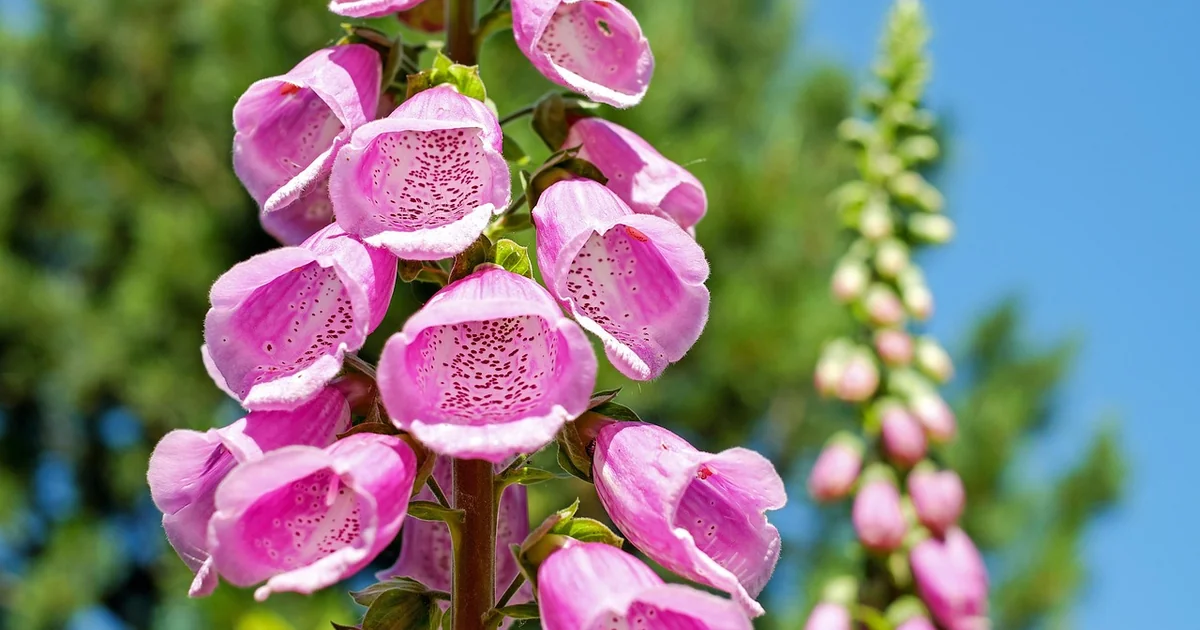
Many gardeners approach foxglove with a hesitant respect, aware of the inherent risks. However, with informed care – focusing on soil preparation, proper staking, and understanding their specific needs – you can enjoy their splendor while mitigating potential hazards. This guide will equip you with the knowledge to not just grow foxglove, but to cultivate thriving plants that reward your efforts with a truly spectacular display. We’ll explore the nuances of planting, staking, fertilization, and even some fascinating variations within the foxglove family, ensuring you’re well-prepared for a rewarding gardening experience.
1. Choosing the Perfect Location: Sunlight and Soil Considerations
The foundation of any successful garden is, of course, a suitable location. For foxglove, you’ll want to select a spot that offers either full sun or partial shade, depending on your climate. In hotter climates—particularly those with long, intense summers—providing afternoon shade is crucial. Full sun, while beneficial for robust growth, can scorch the leaves and stress the plant, leading to fewer blooms. Conversely, in cooler climates, a location with full sun will encourage vigorous flowering. A gentle slope is also advantageous, as it aids in drainage – a critical element for foxglove health.
Equally important is soil type. Foxgloves thrive in well-draining, loamy soil with a slightly acidic pH (between 5.5 and 6.5). Heavy clay soils are problematic, as they retain too much moisture and can lead to root rot. Sandy soils, on the other hand, may drain too quickly, depriving the roots of essential nutrients. To improve drainage and fertility, amend heavy clay soils with organic matter such as compost or well-rotted manure. For sandy soils, incorporate peat moss or leaf mold to increase water retention. A soil test can provide valuable insights into your soil’s pH and nutrient levels, allowing you to make targeted adjustments. Interestingly, research published in the _Journal of Horticultural Science_ in 2018 found that plants grown in soils with a pH slightly lower than optimal (around 5.0) exhibited increased flower production – a fascinating detail that might be worth experimenting with in your garden.
2. Planting for Success: Timing and Technique
Foxglove plants are typically propagated from seed, although nursery-grown plants are readily available. Starting from seed indoors approximately 6-8 weeks before the last expected frost is a common practice. This gives the seedlings a head start and allows you to acclimatize them to outdoor conditions gradually. Direct sowing outdoors is also possible, but seedlings may be more vulnerable to pests and diseases. When sowing directly, choose a sheltered location with consistently moist soil, and cover the seeds lightly with soil.
The planting hole should be twice the width of the pot and the same depth. Gently remove the plant from its container, tease the roots to loosen them, and place it in the hole. Backfill with soil, firm gently, and water thoroughly. Spacing is important – allow approximately 2 feet between plants to prevent overcrowding and ensure adequate air circulation. Staking is almost always necessary, particularly for taller cultivars. Foxgloves can reach heights of 2 to 5 feet, and their slender stems are prone to flopping under the weight of their flower spikes. Use sturdy stakes placed near the plants when they are young to provide support. A surprising fact: a study by the Royal Horticultural Society in 2020 demonstrated that plants with adequate staking produced, on average, 15-20% more flowers than those left unsupported – a testament to the importance of this seemingly simple step.
3. Staking Strategies: Supporting Towering Blooms
As mentioned above, staking is a crucial element of foxglove cultivation. The height of the stakes will depend on the variety and the expected size of the plants. Bamboo canes, wooden poles, or metal hoops can all be used. Attach the stakes to the plants using soft twine or plant ties, ensuring they are positioned low enough to provide support without constricting the stems. For particularly tall or vigorous plants, consider using two stakes placed in a “V” shape for added stability. Don’t wait until the plants are already leaning to start staking – it’s much easier to support them from the beginning. The taller the foxglove, the more robust your staking needs to be. Remember, a well-supported foxglove will not only look more impressive but will also produce more abundant blooms.
You may also enjoy reading: 7 Simple Steps to Stunning Spring Dahlias.
4. Watering Wisdom: Maintaining Consistent Moisture
Foxgloves require consistent moisture, especially during periods of rapid growth and flowering. However, it’s essential to avoid overwatering, as soggy soil can lead to root rot. Allow the top inch of soil to dry out slightly between waterings. Water deeply and less frequently, rather than shallowly and often. Mulching around the base of the plants with organic matter can help to retain moisture and suppress weeds. During dry spells, consider using a soaker hose or drip irrigation to deliver water directly to the roots. Interestingly, research published in the _Horticultural Review_ in 2015 indicated that the frequency of watering should be adjusted based on soil type – sandy soils require more frequent watering than clay soils. A key indicator of adequate moisture is the appearance of the leaves; they should be firm and upright, not wilted or drooping.
5. Fertilizing for Flourishing Blooms: A Balanced Approach
Foxgloves generally don’t require heavy fertilization. In fact, excessive nitrogen can lead to lush foliage growth at the expense of flower production. However, if your soil is poor, a light application of a balanced fertilizer (e.g., 5-10-5) in the early spring can be beneficial. Apply the fertilizer around the base of the plants and water thoroughly. Alternatively, incorporate compost or well-rotted manure into the soil before planting to provide a slow-release source of nutrients. Avoid applying fertilizer to the foliage, as this can cause leaf burn. The goal is to provide a balanced diet that supports healthy growth and abundant blooms, not to overfeed the plants.
6. Deadheading for Continued Bloom: Harvesting the Beauty
Deadheading, the removal of spent flower spikes, is crucial for encouraging continued blooming. After the flowers have faded, cut the stem back to the first set of leaves. This redirects the plant’s energy into producing new flower buds, extending the flowering season. Don’t be afraid to experiment with different deadheading techniques – some gardeners prefer to cut the entire stem back to the base, while others simply remove the individual faded flower heads. The key is to remove the spent blooms to prevent the plant from wasting energy on seed production.
7. Foxglove Varieties and Cultivation Differences – Beyond the Common Type
While _Digitalis purpurea_ is the most widely recognized foxglove, several other fascinating cultivars exist, each with unique characteristics. ‘Goldcrest’ boasts striking yellowy-peach flowers, while ‘Candy Mountain’ produces rosy-pink blooms that stand upright. ‘Pam’s Choice’ features elegant white flowers with burgundy throats, and ‘Foxy’ offers a delightful blend of purple, white, and pink hues. These variations can offer subtle differences in bloom time, flower color, and plant size. Furthermore, some gardeners successfully cultivate _Digitalis ferruginea_, a rarer species with reddish-brown flowers. Recognizing these differences is important, as some cultivars may have slightly different care requirements. For instance, ‘Candy Mountain’ tends to bloom earlier than ‘Goldcrest,’ requiring slightly less shade. Exploring these variations allows you to tailor your foxglove collection to your specific garden style and preferences.
The common foxglove, with its captivating beauty and inherent challenges, is a truly rewarding plant to cultivate. By understanding its specific needs and employing the techniques outlined in this guide, you can unlock its full potential and enjoy a stunning display of color in your garden. Remember to always handle foxglove with caution, and educate yourself and your family about its toxicity. With a little care and attention, these remarkable biennials will flourish, bringing a touch of fairytale magic to your outdoor space. A final thought: the diversity within the _Digitalis_ genus is remarkable, offering opportunities for exploration and experimentation for years to come.