Preparing Your Fig Tree for a Bountiful Spring Harvest
Fig trees are a delightful addition to any garden, offering both beauty and the promise of delicious, homegrown fruit. With their sprawling branches and unique foliage, they bring a touch of the Mediterranean to our landscapes. However, ensuring a successful fig harvest requires a little proactive care, particularly during the spring months.
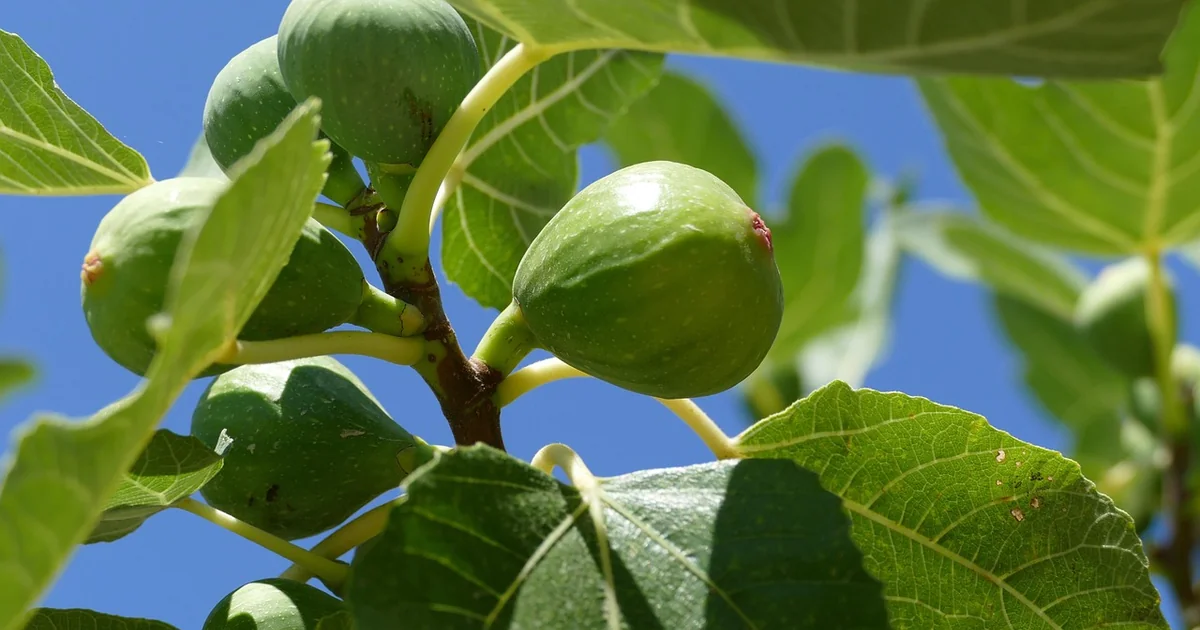
1. Last Chance for Pruning
If your fig tree is still dormant in April, which is common in cooler parts of the country, now is the time to prune. Pruning during the dormant stage is important. Pruning fig trees just before they begin to put out new growth in the spring will allow them to heal quickly when they get growing and won’t harm your crop of figs. Pruning too late will attract pests to the fig tree’s sap and open wounds in the tree can invite disease. Cold-hardy fig trees like ‘Chicago Hardy’ figs (available from Fast Growing Trees) are frequently grown in containers and should be pruned so they don’t become too top-heavy. Mature fig trees should be pruned so 3-5 strong branches are the main scaffolding of the tree. Thinning the canopy and pruning away any tree suckers will allow proper airflow and sunlight penetration so the tree will grow well and produce good fruits. A healthy tree is a productive tree, and pruning is a cornerstone of maintaining that health. The goal isn’t necessarily to drastically reduce the size of the tree, but rather to shape it for optimal growth and fruit production. Consider the overall structure – you want to encourage a strong, central leader and a balanced branch arrangement. This will help ensure that all branches receive adequate sunlight and airflow, minimizing the risk of fungal diseases. Don’t be afraid to remove crossing branches or branches that are growing inward, as these can hinder airflow and create shade for developing fruit. Remember, a well-pruned fig tree is a happy fig tree!
2. Fertilize
When new growth begins, you should fertilize fig trees to give them a good nutrient boost. In warmer climates, this window might have already passed. In cooler climates, now is the ideal time to feed your fig trees. As figs enter the active growing stage of the year they need nutrients to ensure healthy roots, foliage, and an abundant crop of tasty fruits. Firstly, water your tree the day before you plant to fertilize so the roots are hydrated and ready to absorb fertilizer. Apply a balanced organic fertilizer, like Burpee Organic All Purpose 4-4-4 fertilizer from Amazon, and work into the top inch of soil with a hand rake. Sign up for the Gardening Know How newsletter today and receive a free copy of our e-book “How to Grow Delicious Tomatoes”. After fertilizing, apply mulch to keep roots cool and moist through the summer heat. Be sure to keep the mulch away from the trunk of your fig tree. Mulch touching the trunk will invite fungal problems. Choosing the right fertilizer is important. A balanced fertilizer, such as 10-10-10 or 5-5-5, provides a good mix of nitrogen, phosphorus, and potassium – the three primary nutrients that fig trees need for healthy growth. Organic fertilizers, like compost or well-rotted manure, are a great option for providing slow-release nutrients and improving soil health. However, be mindful of over-fertilizing, as too much nitrogen can lead to excessive leaf growth at the expense of fruit production. Monitor your tree’s growth and adjust your fertilization schedule accordingly. Looking for a simple way to manage your garden? Consider the Gardener’s Supply Company’s Soil Test Kit – it’s a relatively inexpensive way to determine the specific nutrient needs of your fig tree and avoid over- or under-fertilizing.
3. Manage Damage
Your fig tree may look a little worse for wear after winter and April is the time to manage the damage. Limbs may have been snapped in early spring storms, pests are beginning to wake up and get to work, and the threat of a late frost is still in the air. When you prune your fig tree, be sure to carefully prune out any broken branches and dead limbs. Pruning will help your fig to not waste energy on dying branches, but instead focus on new growth and fruit production. Common fig tree pests like carpenter worms, dried fruit beetles, fig beetles, scale insects, and fig tree borers are waking up and getting to work in the spring. You should identify pests early in the season so you can remove infected wood or use physical barriers or chemical controls where appropriate. Don’t sleep on this task. Catching infestations early is critical to the survival of your tree. In addition to pest management, you should keep an eye on the weather. Figs are native to the Mediterranean, so they won’t handle a late cold snap well, unless they are a specially bred cold-hardy variety. Cover trees with protective frost blankets, which can be found at Amazon. If you have container-grown figs, bring them back indoors when there is a cold snap in the forecast. A plant caddy, available from the Home Depot, can help you easily roll your potted fig tree indoors or around your patio for optimal sun exposure and easy watering. The key here is observation. Regularly inspect your fig tree for signs of damage or pests, and address any issues promptly. Early detection and intervention are far more effective than dealing with a widespread infestation or significant damage.
4. Monitor for Pests – Early Detection is Key
April marks the beginning of the active pest season for fig trees. Carpenter worms, fig beetles, and scale insects are among the most common culprits, and their presence can quickly weaken a tree and reduce fruit production. Regularly inspect your fig tree for signs of infestation, such as chewed leaves, small holes in the bark, or sticky honeydew secretions. Carpenter worms, for example, bore into branches, creating tunnels that can compromise the tree’s structural integrity. Fig beetles feed on the developing fruits, leaving behind unsightly holes. Scale insects attach themselves to the branches and leaves, sucking out sap and weakening the tree. Early detection is crucial – the sooner you identify a pest problem, the easier it will be to control. Consider using sticky traps to monitor for flying pests, such as fig beetles. Inspect the undersides of the leaves for scale insects. If you spot a significant infestation, you may need to take more aggressive measures, such as applying horticultural oil or insecticidal soap. Remember, prevention is always better than cure. Maintaining a healthy tree is the best defense against pests and diseases.
5. Address Fig Tree Borers
Fig tree borers are a particularly destructive pest that can wreak havoc on fig trees, especially in established trees. These tiny beetles lay their eggs in the bark of the tree, and the larvae bore into the branches, feeding on the phloem – the tissue that transports nutrients throughout the tree. This can cause significant damage, leading to branch dieback and reduced fruit production. Unfortunately, once fig tree borers have established themselves, they can be difficult to eradicate. However, there are several steps you can take to prevent them from becoming a major problem. First, prune out any dead or damaged branches promptly. This will help to reduce the attractiveness of the tree to borers. Second, apply a horticultural oil in the dormant season to smother any eggs that may be present in the bark. Third, consider using a borate-based insecticide, such as Bonide Systemic Insect Control, to treat the tree. This insecticide will kill the larvae as they feed, preventing them from causing further damage. Regularly inspect your fig tree for signs of borers – look for small, D-shaped holes in the bark.
You may also enjoy reading: 7 Cherry Moments at Butchart Gardens’ Spring Prelude.
6. Protect from Late Frosts
Figs are notoriously sensitive to late cold snaps, and a single frost can decimate a crop of developing fruit. While April is generally a warmer month, late frosts can still occur, particularly in regions with a shorter growing season. Protecting your fig tree from frost damage is essential for maximizing fruit production. If you suspect a frost is imminent, take immediate action. Cover your fig tree with a protective frost blanket, which can be purchased at most garden centers. You can also use a sheet or tarp to cover the tree. For container-grown figs, bring them indoors during cold snaps. This is a particularly important measure for trees grown in exposed locations. Consider installing a simple frost protection system, such as a series of hoops covered with plastic sheeting.
7. Container-Grown Figs – Indoor Protection
If you grow your fig tree in a container, it’s particularly vulnerable to cold temperatures. Container-grown figs are more susceptible to frost damage than trees planted in the ground because the roots are not insulated by the surrounding soil. Therefore, it’s crucial to bring container-grown figs indoors when there’s a threat of frost. Choose a location that receives plenty of sunlight and is protected from drafts. Water your fig tree regularly, and fertilize it as needed. While indoors, you can continue to provide some sunlight with a grow light. When the weather warms up in the spring, gradually acclimate your fig tree to outdoor conditions before returning it to its permanent location. This process, called hardening off, will help the tree adjust to the changing temperatures and prevent shock. A good quality potting mix, like Miracle-Gro Potting Mix, is essential for container-grown fig trees, providing them with adequate drainage and aeration.
Preparing your fig tree for a bountiful spring harvest takes a little effort, but the rewards – a delicious crop of homegrown figs – are well worth it. By following these seven essential care tasks, you can ensure that your fig tree thrives and produces a generous yield. Enjoy the fruits (literally!) of your labor!