5 Flooring Trends Designers Say Are Going Viral in 2026
The world of interior design is in a constant state of flux, driven by evolving aesthetics and a desire for spaces that truly reflect our lifestyles. As we look ahead to 2026, flooring trends are shifting dramatically, moving beyond simple functionality to embrace a blend of artistry and practicality. Designers are predicting a significant shift in materials, patterns, and finishes, prioritizing warmth, texture, and a touch of personalized expression. Let’s delve into the five flooring trends poised to dominate the design landscape next year, as outlined by experts in the field.
The focus for 2026 flooring is less about fleeting trends and more about enduring design choices that integrate seamlessly into a home’s overall aesthetic. We’re moving towards a philosophy of layering, texture, and intentionality – a far cry from the homogenous, often sterile, flooring choices of the past. This article breaks down the key trends, offering insights into why they’re gaining traction and how you can incorporate them into your own space.
1. Herringbone Flooring: A Vintage European Revival
Herringbone flooring is about to have a major moment in 2026, according to Katelyn Gilmour, founder and principal designer of KBG Design. Named for its resemblance to a herring fish skeleton, this flooring pattern features interlocking V-shaped planks, typically made of wood or tile. “Wood herringbone plank flooring brings an incredible sense of vintage European character to a home,” Gilmour says. “It says quiet luxury, but can be done so in either real wood or an LVP varietal—which makes it super durable and accessible.” Herringbone has a rich history, dating back centuries and appearing in various applications, from hardwood floors to intricate parquet designs. The current resurgence is fueled by a desire for homes that feel both sophisticated and grounded, evoking a sense of timeless elegance. The pattern’s visual interest adds depth and texture to a room, creating a focal point that effortlessly elevates the space. Furthermore, the durability of both wood and LVP herringbone options makes it a practical choice for high-traffic areas. It’s not just a fleeting trend; herringbone has been used for centuries and is poised to remain a staple in modern homes for years to come. The key to a successful herringbone installation lies in careful planning and proper execution, ensuring that the planks are evenly spaced and aligned for a truly stunning result.
2. Wall-to-Wall Carpet: Embracing Cozy Comfort
Surprisingly, wall-to-wall carpet is predicted to make a comeback in 2026, says Mugdha Girish Uma, founder and principal designer of MGU-Design. This shift reflects a broader trend towards prioritizing warmth and comfort in the home – qualities that have become increasingly important in recent years. “The reason is pretty much the same as it has always been: carpet helps make spaces feel warmer and cozier, two qualities that are top priorities for homeowners and designers alike,” Uma explains. However, the 2026 iteration of carpet will be markedly different from the shag carpets, bright whites, and sterile office grays of the past. Designers are advocating for low-pile, earthy tones – think muted greens, warm browns, and creamy beiges – combined with strategic rug layering to create a layered and inviting atmosphere. This approach allows for a balance between comfort and style, transforming a room into a haven of relaxation. The textural element of carpet also adds visual interest, complementing other design elements and creating a sense of depth. Moreover, the rise of DIY projects and a desire for more tactile experiences in the home are contributing to the renewed popularity of wall-to-wall carpet, offering homeowners a relatively easy way to add a layer of comfort and personality to their spaces. Uma also mentions that painted patterns will be big in 2026, but she expects to see them in smaller spaces, such as bathrooms, with hand-painted tiles. “While hand-painted tiles are typically reserved for walls, they will be making their way to the floor in 2026. Why? They add an instant sense of organic drama to a space that makes a space feel fabulously moody and curated,” she says.
3. Painted Floors: A Canvas for Personal Style
According to Virginia Toledo, founder and principal designer of Toledo Geller, painted floors with bold patterns are set to gain momentum in 2026. “As we collectively embrace more artisanal touches and thoughtful layering in our homes, painted floors provide an incredible opportunity to infuse personality into a space,” she states. Unlike traditional hardwood or tile, painted floors offer unparalleled flexibility, allowing homeowners to experiment with color, pattern, and design without the commitment of permanent materials. They also lend themselves perfectly to DIY projects, catering to the growing trend of homeowners taking a more active role in their interior design. Toledo highlights that painted floors are particularly well-suited for smaller spaces, such as bathrooms and powder rooms, where a bold pattern can create a dramatic focal point. The ability to easily update or refresh a painted floor – simply by changing the color – makes it a remarkably adaptable design element. Furthermore, painted floors create a sense of warmth and intimacy, transforming a room into a more inviting and personal space. The trend reflects a broader shift towards embracing handcrafted details and celebrating individuality in the home, offering a stylish and sustainable alternative to traditional flooring options. Think of it as a blank canvas—you can paint whatever you’d like.
You may also enjoy reading: 13 Accent Plants Landscape Designers Adore.
4. Matte Finishes: Sophistication with Depth
In 2026, the preference is overwhelmingly for matte finishes across all flooring types, according to Katelyn Gilmour of KBG Design. “Matte finishes offer a subtle elegance that complements modern design sensibilities,” she explains. This shift away from high-gloss surfaces reflects a broader trend towards creating spaces that feel more relaxed and understated. Matte finishes diffuse light more evenly, reducing glare and creating a softer, more inviting atmosphere. They also tend to hide imperfections more effectively than high-gloss finishes, resulting in a cleaner, more polished look. The texture of matte surfaces adds visual interest, creating a sense of depth and tactility. This is particularly important in larger spaces, where matte finishes can help to break up the monotony and create a more cohesive look. Furthermore, matte finishes are increasingly popular in eco-conscious design, as many matte flooring options are made from sustainable materials. The trend signals a move towards a more sophisticated and nuanced approach to interior design – one that prioritizes subtle elegance and understated luxury. The move to matte is about creating a space that feels calm, collected, and effortlessly chic.
5. Wide Plank Floors: Emphasizing Natural Beauty
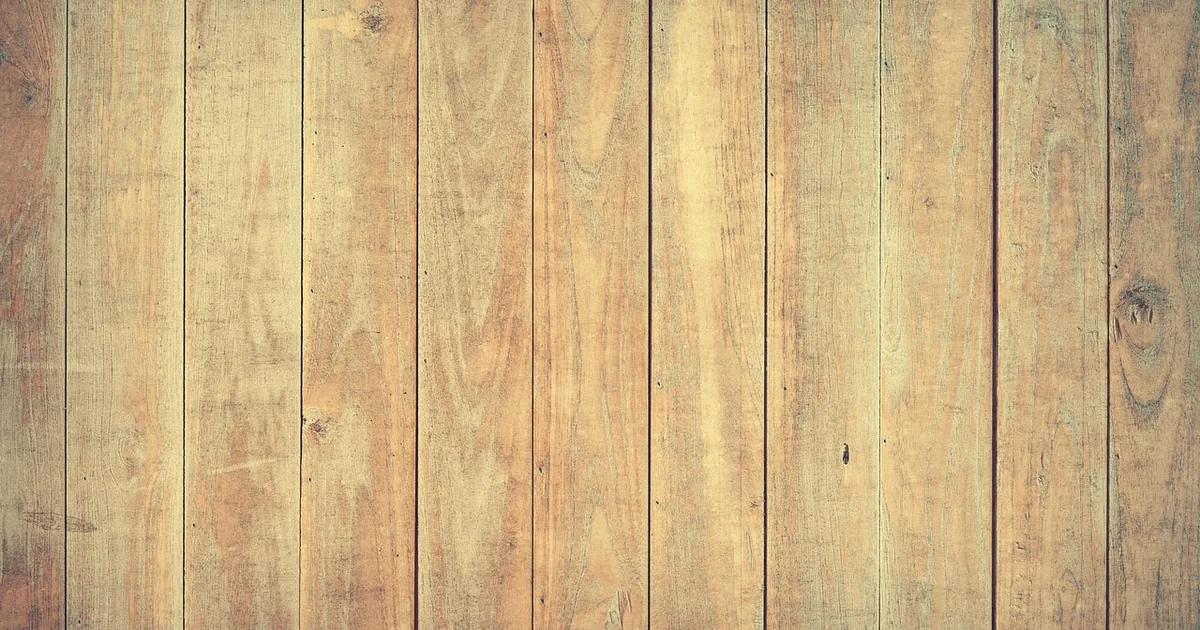
Wide plank flooring continues to be a popular choice in 2026, but with a renewed emphasis on showcasing the natural beauty of the wood itself, notes Mugdha Girish Uma of MGU-Design. “Wide plank floors enhance space and emphasize wood character,” she says. The trend is driven by a desire to bring the outdoors in, creating a connection to nature that is increasingly important for well-being. Wide plank floors, particularly those made from reclaimed wood, offer a rustic and timeless aesthetic that complements a variety of design styles. The larger width of the planks creates a sense of spaciousness, making smaller rooms feel larger and more open. Furthermore, the visible grain and knots in the wood add visual interest and character, creating a unique and personalized look. Designers are favoring lighter wood tones to brighten up spaces and create a sense of airiness. The trend also reflects a growing awareness of sustainability, as reclaimed wood flooring offers a responsible alternative to new timber. When selecting wide plank flooring, it’s important to choose a wood species that complements the overall design scheme and to consider the finish – a natural oil finish will showcase the wood’s beauty while providing protection. The goal is to let the wood speak for itself, highlighting the natural beauty and warmth of the material.
As we move further into 2026, these five flooring trends are poised to reshape the way we design and experience our homes. By embracing a blend of vintage charm, cozy comfort, artistic expression, subtle sophistication, and natural beauty, homeowners can create spaces that are both stylish and deeply personal. The key is to approach flooring choices with intention and consider how each material contributes to the overall mood and atmosphere of the room. Ultimately, the most successful flooring designs are those that seamlessly integrate form and function, creating spaces that are as beautiful as they are livable. Don’t be afraid to experiment with different patterns, textures, and finishes to discover what works best for your individual style and needs. A well-chosen floor can be the foundation of a stunning home, setting the tone for years to come.