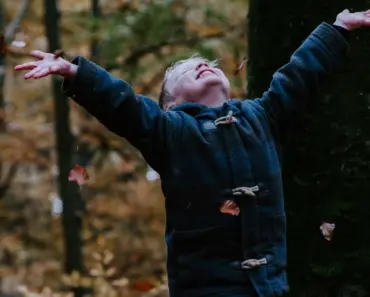
You know that quiet tug you feel when you scroll past a photo of someone who turned their hobby into a meaningful side pursuit? That feeling is your inner self nudging you toward something more. A passion project is not just a way to fill spare hours. It is a deliberate act of self-discovery, a personal laboratory where you test your limits and uncover talents you did not know you had. Whether you want to spark creativity, nurture a hidden skill, or simply have fun again, these 15 passion project ideas can help you start that journey today.

Why a Passion Project Matters More Than You Think
Life moves fast. Between work, family obligations, and daily chores, the creative part of your brain often gets pushed aside. A passion project gives you permission to reclaim that space. It is an activity you choose for yourself, not because someone pays you or expects it from you. The benefits go beyond simple enjoyment. Research from positive psychology suggests that engaging in intrinsically motivated activities boosts overall life satisfaction by as much as 37% in some studies. When you invest time in something that truly moves you, you build resilience, sharpen your problem-solving skills, and often discover a version of yourself that had been hiding under the surface.
The following list covers a wide range of interests. Some ideas require minimal setup. Others ask for a longer commitment. Each one, however, shares a common thread: it invites you to take action rather than just daydream. Find the one that resonates and run with it.
1. Start a Volunteer Group, Charity, or Nonprofit
Almost everyone has faced some form of hardship. Maybe a family member battled a serious illness. Perhaps you grew up relying on a food pantry. Or you feel deeply troubled by the inequalities you see in the news. That emotional connection is a powerful starting point for a passion project. You do not need a law degree or a large budget to begin. Starting a volunteer group can be as simple as creating a social media page and inviting your community to join.
Thirteen years ago, one person did exactly that. They posted on local community boards and gauged interest. The group grew organically, seeking out volunteer opportunities for foster children, homeless shelters, food banks, and even hospital nurseries where volunteers held premature babies. That single post led to a lifelong partnership — the founder met their spouse at one of the events. Eventually, the group applied for 501c3 nonprofit status, but the first step was just showing up.
If you want to try this, start by identifying a cause that makes your chest tighten. Create a page. Write a clear mission statement. Then ask your network to share it. You will be surprised how many people are waiting for someone else to take the first step.
2. Train for a Marathon
Running 26.2 miles is as much a mental challenge as a physical one. Even experienced 5K runners find the distance intimidating. Yet crossing that finish line delivers a sense of accomplishment that few other pursuits can match. If you choose marathon training as your passion project, begin with a visit to your primary care doctor. A quick checkup ensures your body is ready for the demands ahead.
Next, find a running partner or join a local club. Accountability is crucial. On days when your mind tells you to stay in bed, a partner waiting at the curb gets you out the door. Download a reputable training app that structures your runs over 16 to 20 weeks. Follow a runner-friendly diet that includes enough carbohydrates and protein to fuel long miles. And never skip stretching — tight muscles lead to injuries that can derail months of work.
Share your journey on social media or a simple blog. Chronicling your progress not only keeps you honest but also inspires others who might be considering the same challenge. Your support system matters most on the days your body aches and your doubts grow loud.
3. Write Something Worth Reading
Not everyone who writes produces something memorable. But if you feel a story burning inside you, or if you have expertise that could help others, writing is one of the most accessible passion project ideas. You can start a blog about your niche interest, pitch articles to established websites, or self-publish a book through platforms like Amazon Kindle Direct Publishing.
The key is to write about what you genuinely care about. Readers can smell inauthenticity from a mile away. If you are passionate about urban gardening, share your experiments with container vegetables on a balcony. If you survived a difficult life transition, your story might be the exact thing someone else needs to hear. Writing forces you to clarify your thoughts and organize your experiences into something coherent. That process alone is valuable, even if only ten people read your first post.
Consider submitting guest posts to publications in your field. Many websites accept unsolicited articles. Build a small portfolio. Over time, your voice will sharpen, and your audience will grow.
4. Learn a Musical Instrument From Scratch
Picking up an instrument as an adult feels intimidating. Your fingers are less flexible than a child’s. You have less free time. But the neural benefits are remarkable. Studies show that learning to play an instrument in adulthood increases neuroplasticity, improving memory and cognitive flexibility. The process also teaches patience and persistence, qualities that spill over into other areas of life.
Start with an instrument that excites you. A ukulele is forgiving for beginners. A keyboard offers immediate gratification because you can play simple melodies within a week. Use free YouTube tutorials or a structured app like Yousician. Set a goal of practicing fifteen minutes daily rather than cramming for an hour once a week. Consistency matters far more than intensity.
Record your progress every few weeks. Listening back to your early attempts versus your later ones provides concrete proof of improvement. That tangible evidence keeps motivation high when plateaus hit.
5. Build a Capsule Wardrobe From Scratch
Fashion is often dismissed as superficial, but curating a personal style can be a deeply intentional act. A capsule wardrobe project involves paring down your closet to a small number of versatile, high-quality pieces that all work together. This forces you to define your aesthetic, understand fabric quality, and resist the pull of fast fashion.
Start by removing everything from your closet. Sort items into three piles: keep, donate, and repair. The keep pile should contain only pieces you have worn in the last six months and that fit well. Aim for around 30 to 40 items including shoes and outerwear. Then fill gaps intentionally. A well-made white shirt, a pair of dark jeans that fit perfectly, and a neutral blazer can serve as the backbone of dozens of outfits.
Document your process on a blog or Instagram. You might inspire others to simplify their own wardrobes. Over time, you will save money, reduce textile waste, and feel more confident in your daily appearance.
6. Create a Backyard Habitat for Pollinators
Bees, butterflies, and other pollinators are in decline worldwide. A 2023 study found that nearly 40% of insect species face extinction risks, with habitat loss being a primary driver. Your backyard, balcony, or even a window box can become a sanctuary. This passion project combines gardening with environmental stewardship.
Research native plants in your region. Non-native flowers may look pretty but often provide little nutrition for local pollinators. Plant a mix of early-blooming and late-blooming species so food is available throughout the seasons. Avoid pesticides entirely. Provide a shallow water source, such as a birdbath with stones for landing. Leave some bare ground for ground-nesting bees.
Track which species visit your garden over the months. Keep a journal with sketches or photos. You will develop a deep appreciation for the tiny ecosystems operating just outside your door.
7. Learn a New Language Through Immersion at Home
Language learning apps have made it easier than ever to start, but most people quit after a few weeks. The secret to sticking with it is creating an immersive environment without leaving your house. Change your phone’s language setting to your target language. Label household items with sticky notes in that language. Listen to podcasts and music in the language during your commute.
Set a realistic goal, such as holding a five-minute conversation after three months. Use language exchange platforms like Tandem or HelloTalk to speak with native speakers for free. The act of speaking, even haltingly, accelerates retention far faster than passive app exercises. Track your vocabulary growth weekly. After six months, you might be surprised at how much you can understand.
8. Start a Small Edible Garden
Growing your own food connects you to the earth and your meals in a way that grocery shopping cannot replicate. Even a small patio can yield tomatoes, peppers, herbs, and lettuce. The initial investment is low — a few pots, soil, and seeds cost less than a single dinner out.
Choose vegetables that you actually enjoy eating. There is no point growing kale if you hate it. Start with easy crops like radishes, which sprout in under a month, or cherry tomatoes, which produce abundantly with minimal care. Keep a garden journal noting planting dates, weather patterns, and harvest yields. Over time, you will develop an intuitive sense of what your specific microclimate needs.
You may also enjoy reading: 7 Things Anxiety ‘Sucks’ But Taught Me.
The act of eating something you grew yourself carries a quiet satisfaction that is hard to describe. It is a small act of independence in a world where most food arrives wrapped in plastic.
9. Document a Year of Your Life Through Photography
A year-long photography project forces you to see the extraordinary in the ordinary. Commit to taking one photo every day for 365 days. The subject does not have to be dramatic. A coffee cup on a rainy morning. Your child’s shoes by the door. The way light falls on your kitchen counter at 4 PM. The constraint of daily practice trains your eye to notice composition, light, and emotion in everyday scenes.
Use any camera you have — a smartphone works perfectly. Create a dedicated folder or use an app like Day One to store your images with a short caption. At the end of the year, compile the photos into a printed book or a digital slideshow. You will have created a time capsule of your life that no algorithm could replicate.
10. Restore a Piece of Old Furniture
Furniture restoration is a tactile, rewarding passion project that combines creativity with practical skill. Find a discarded piece at a thrift store, garage sale, or even on the curb. A solid wood dresser or a sturdy wooden chair can be transformed with sandpaper, paint, and new hardware.
Start with something simple. A small side table requires minimal effort. Learn the basics of stripping old varnish, repairing loose joints, and applying a finish. The process teaches patience and attention to detail. Each piece you complete becomes a functional work of art in your home. Plus, restoring furniture is significantly cheaper than buying new, and it keeps usable items out of landfills.
11. Develop a Morning Ritual That Sticks
Most morning routine advice feels generic and impossible to maintain. Instead of copying someone else’s five-step regimen, design a ritual that actually fits your life. This passion project is about experimentation. Try different combinations for two weeks each. For example, try fifteen minutes of stretching followed by journaling. Then try a ten-minute walk outside followed by reading a single poem. Then try making a pour-over coffee while listening to a classical piece.
Track how each version affects your mood and energy levels for the rest of the day. After a month, you will have data on what works for you specifically. The final ritual might be very simple — just three minutes of deep breathing and a glass of water before checking your phone. That is fine. The goal is not complexity but consistency.
12. Learn a Handicraft Like Knitting, Embroidery, or Woodcarving
Handicrafts have experienced a quiet renaissance in recent years. They offer a rare opportunity to create something tangible in a digital world. Knitting, for instance, has been shown to reduce cortisol levels and improve mood, according to a 2018 survey by the Craft Yarn Council. The repetitive motions engage the parasympathetic nervous system, promoting calm.
Start with a beginner kit that includes everything you need. YouTube tutorials can guide you through the first few stitches. The early results will be imperfect — a scarf with uneven edges, a crooked embroidered flower — but that is part of the process. Each project teaches a new technique. Over a year, you could produce gifts for friends, scarves for a shelter, or decorative pieces for your home.
13. Plan and Execute a Digital Detox Weekend
A digital detox is not just about putting your phone away. It is a structured experiment to reclaim your attention. Choose one weekend per month where you disconnect from all screens for 48 hours. Plan activities in advance: board games, long hikes, cooking a complicated meal, reading a physical book, writing letters by hand.
This project requires preparation. Inform friends and family so they do not worry. Set an out-of-office reply on email. Remove social media apps from your phone entirely for the duration. After each detox weekend, write down what you noticed. Did you feel more present? Did you sleep better? Did conversations feel deeper? The insights you gain can permanently reshape your relationship with technology.
14. Compile a Family History or Cookbook
Every family has stories and recipes that risk being lost. Interview older relatives. Record their voices on your phone. Ask about their childhood, their parents, the dishes they remember from their own youth. Transcribe the interviews or write them into narrative form. Collect family recipes, even the ones written on stained index cards. Test each recipe and photograph the finished dishes.
Compile everything into a printed book using a service like Blurb or Shutterfly. The result is a gift that future generations will treasure. It also gives you a reason to connect with family members you might not speak with regularly. The process itself strengthens bonds and preserves a legacy that no photo album can capture.
15. Design and Plant a Small Cutting Garden
A cutting garden is different from a regular flower bed. It is planted specifically to provide stems for indoor vases. Choose flowers that bloom at different times so you have something to cut from spring through fall. Zinnias, sunflowers, cosmos, and dahlias are excellent choices for beginners. They produce abundantly and require minimal maintenance.
Plant in rows rather than decorative patterns. The goal is volume, not landscape design. Harvest flowers early in the morning when they are most hydrated. Arrange them in vases throughout your home. The simple act of having fresh flowers in your kitchen or bedroom shifts the entire energy of a space. You will also save money on store-bought bouquets.
Finding Your Starting Point
The list above covers fifteen distinct directions, but the real work begins when you pick one and commit. Do not overthink the choice. If an idea makes your pulse quicken even slightly, that is a signal worth following. Start small. Give yourself permission to be a beginner. The goal is not perfection but participation. A passion project, at its core, is a conversation between you and your potential. All you have to do is begin.