Potatoes – those humble, versatile root vegetables – are a cornerstone of cuisines worldwide, and surprisingly rewarding to grow in your own backyard. With 5,000 different cultivars boasting a dazzling array of colors, sizes, and flavors, the possibilities for your potato patch are truly endless. But successfully cultivating these tuberous treasures requires more than just tossing a seed potato into the ground. Understanding their specific needs – from soil composition to watering techniques – is crucial for achieving a bountiful harvest. This guide breaks down the key elements of potato cultivation, offering a detailed roadmap for gardeners of all levels, ensuring you’ll be enjoying delicious, homegrown taters in no time.
1. Selecting the Right Potato Variety for Your Climate
When considering how to grow potatoes, the first step is choosing the right cultivar. Not all potatoes are created equal, and some varieties thrive better in certain climates than others. Consider your local growing season and average temperatures. Early-season potatoes like ‘Yukon Gold’ and ‘Red Pontiac’ are ideal for cooler climates, maturing quickly and offering a delicious, buttery flavor. Conversely, late-season varieties such as ‘Russet Burbank’ and ‘Kennebec’ are better suited for warmer regions, providing a longer harvest window. For example, in the Pacific Northwest, where the growing season is relatively short, selecting a ‘Yukon Gold’ – known for its rapid growth – will significantly increase your chances of a successful harvest. Furthermore, heirloom varieties like ‘Fingerling’ potatoes, with their unique shapes and intense flavors, add a touch of rustic charm to your garden and often require a bit more careful attention to pest control. Don’t overlook the influence of microclimates within your yard; a south-facing wall can provide extra warmth and sunlight, allowing you to grow varieties typically considered borderline for your region. Researching local garden clubs and agricultural extension offices can provide invaluable insights into the best potato varieties for your specific area, offering tailored advice based on local conditions.
2. Preparing the Perfect Potato Soil
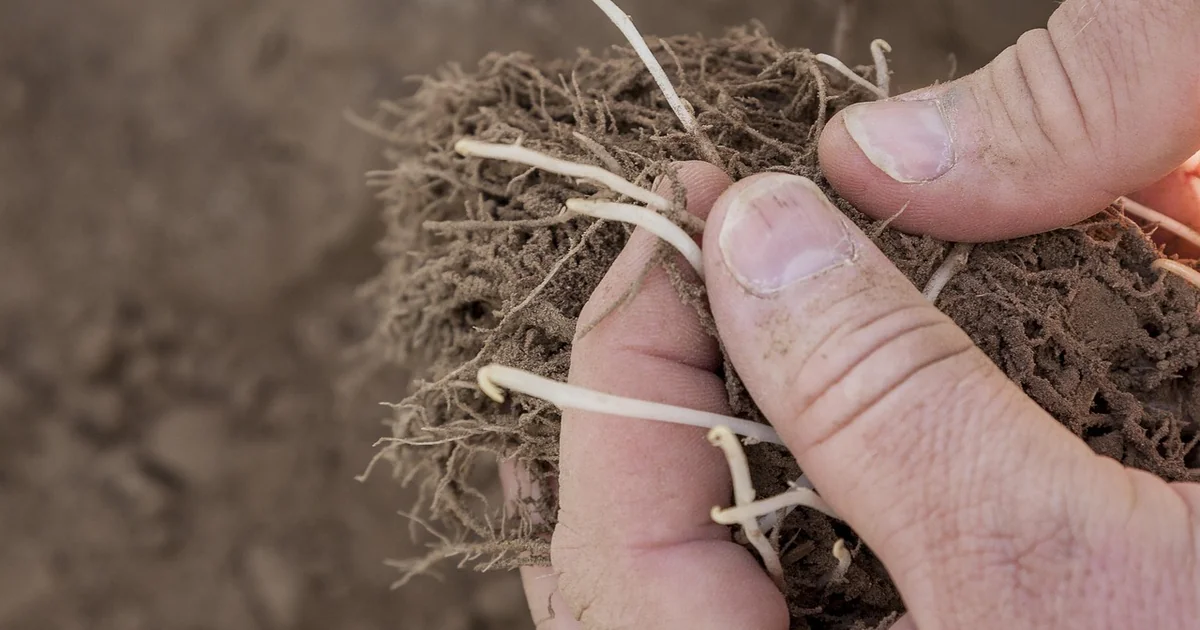
Potatoes are notoriously sensitive to soil conditions, and proper preparation is arguably the most critical step in how to grow potatoes successfully. They crave loose, well-drained soil rich in organic matter. Heavy clay soils, common in many areas, are a major obstacle, as they retain too much water, leading to rot and misshapen tubers. The ideal soil for potatoes is sandy loam – a mixture of sand, silt, and clay – that allows for excellent drainage and aeration. Adding copious amounts of compost is key. Incorporate at least 4-6 inches of well-rotted compost into the soil before planting. This improves drainage, adds nutrients, and provides a loose environment for the roots to expand. Consider building raised beds, particularly if you have heavy clay soil. Raised beds improve drainage and allow you to control the soil composition more effectively. A fascinating fact is that potatoes actually prefer slightly acidic soil – a pH between 6.0 and 6.5. Soil testing kits are readily available and affordable, allowing you to determine your soil’s pH and make necessary adjustments with lime or sulfur. Remember, healthy soil equals healthy potatoes!
3. Planting Potatoes: Depth and Spacing Matter
Proper planting technique is essential for establishing strong potato plants. The key is to plant seed potatoes (also known as “seed pieces”) at the correct depth and spacing. Generally, you should plant seed potatoes about 4 inches (10 centimeters) deep, with the “eyes” – the small buds along the potato’s surface – facing upwards. These eyes are where new sprouts will emerge, eventually developing into shoots and tubers. Spacing is equally important. For larger varieties, space rows 30-36 inches (76-91 cm) apart, and individual plants 12-18 inches (30-46 cm) apart within the row. For smaller fingerling potatoes, you can reduce the spacing to 8-10 inches (20-25 cm). A helpful tip is to “hill” the potatoes as they grow. This involves mounding soil around the stems, encouraging the development of more tubers along the buried stems. This technique also protects the developing tubers from sunlight, which can cause them to turn green and become toxic. Interestingly, the practice of planting potatoes in trenches, a traditional method still used in some parts of Europe, helps to retain moisture and warmth, leading to larger yields.
4. Watering Wisely: Finding the Right Balance
Watering potatoes is a delicate balancing act. While they require consistent moisture, overwatering can be just as detrimental as underwatering. During the initial growth phase, potatoes need regular watering, approximately 1 inch (2.5 cm) per week, depending on rainfall and soil conditions. As the plants mature and the tubers begin to form, reduce the frequency of watering, allowing the soil to dry out slightly between waterings. Mulching around the plants with straw, wood chips, or shredded leaves helps retain moisture and suppresses weeds. A smart irrigation system, such as a soaker hose, can provide consistent moisture without wetting the foliage, reducing the risk of fungal diseases. Monitoring soil moisture is crucial – stick your finger about 2 inches (5 cm) into the soil; if it feels dry, it’s time to water. In hot, dry climates, you may need to water more frequently, perhaps even daily. During periods of heavy rain, reduce or eliminate watering to prevent the soil from becoming waterlogged.
5. Hilling and Staking: Supporting Growth and Production
You may also enjoy reading: 7 Ways to Start Squash Seeds Indoors.
Hilling and staking are vital maintenance practices that contribute significantly to potato yield. As mentioned earlier, hilling involves mounding soil around the base of the potato plants as they grow. This encourages the development of more tubers along the buried stems, effectively extending the growing season and increasing the overall harvest. Start hilling when the plants reach about 6-8 inches (15-20 cm) tall, and continue to add soil every 2-3 weeks, as the plants grow. Staking is particularly important for taller varieties or in windy areas. Use sturdy stakes to support the plants, preventing them from falling over and damaging the tubers. This also improves air circulation, reducing the risk of fungal diseases. Consider using a “trellis” system for staking, allowing the plants to climb and spread, maximizing space utilization. Interestingly, some potato varieties, like ‘Yukon Gold,’ are naturally more vigorous and require less staking than others, like ‘Red Pontiac’.
6. Fertilizing for a Bountiful Harvest
Potatoes are heavy feeders, requiring a balanced supply of nutrients to thrive and produce a significant harvest. Start by incorporating compost into the soil before planting, as mentioned earlier. During the growing season, side-dress the plants with a balanced fertilizer (10-10-10 or similar) every 4-6 weeks. Alternatively, you can use organic fertilizers such as fish emulsion or seaweed extract. Avoid over-fertilizing, as this can lead to excessive foliage growth at the expense of tuber development. Potassium is particularly important for potato production, promoting tuber size and quality. Monitor your plants for signs of nutrient deficiencies – yellowing leaves can indicate a nitrogen deficiency, while stunted growth may suggest a phosphorus deficiency. Soil testing can help determine specific nutrient needs. A little goes a long way when it comes to fertilizing potatoes; a slow-release fertilizer is often a good choice.
7. Pest and Disease Management: Protecting Your Crop
Potatoes are susceptible to a variety of pests and diseases, so proactive management is crucial. Common pests include potato beetles, aphids, and wireworms. Inspect your plants regularly for signs of infestation and take action promptly. Handpicking pests, using insecticidal soap, or introducing beneficial insects like ladybugs can help control infestations. Common potato diseases include early blight, late blight, and scab. Preventing diseases starts with good soil drainage and air circulation. Avoid overhead watering, which can promote fungal growth. Use disease-resistant potato varieties whenever possible. If you notice signs of disease, remove infected plants immediately to prevent the spread. Copper-based fungicides can be used to control fungal diseases, but use them judiciously and follow label instructions carefully. Crop rotation – planting potatoes in a different location each year – is a key strategy for preventing soilborne diseases. Remember, a healthy garden is a resilient garden!
In summary, growing potatoes successfully requires a combination of careful planning, diligent maintenance, and a little bit of knowledge. By following these 7 steps – selecting the right variety, preparing the soil, planting correctly, watering wisely, hilling and staking, fertilizing appropriately, and managing pests and diseases – you’ll be well on your way to enjoying a bountiful harvest of delicious, homegrown potatoes. Happy gardening!