Transform Your Bouquets with a Surprisingly Simple Secret: Growing Bouquet Filler from Dried Chickpeas
Who doesn’t love a bouquet of flowers? They’re an incredibly thoughtful gesture to give or receive, they make for an amazing centerpiece, and they instantly invite a pop of nature into any room. If you’re looking to spruce up your store-bought bunches or make your own bouquets using flowers from your yard, adding filler foliage is a great way to go the extra mile in terms of visuals. It’s a budget-friendly, low-effort solution that can dramatically elevate your floral arrangements. Let’s dive into exactly how this “chickpea hack” works and why it’s become a favorite amongst DIY florists and flower enthusiasts alike.
7 Ways to Grow Bouquet Filler from Dried Chickpeas
- The Genesis of the Hack: Donna’s Brilliant Idea
- Sowing the Seeds: A Step-by-Step Guide
- The Importance of Inoculation: Preventing Problems Before They Start
- Understanding the Why: Why Add Greenery to Bouquets?
- Beyond Chickpeas: Other Foliage Favorites
- The Art of Vase Arrangement: Support is Key
- Historical Context: Chickpeas as a Decorative Element
Donna’s chickpea hack is an amazing solution that’s cheap and quick to execute for anyone looking to bulk out their floral bouquets. It’s also an ideal project for anyone wishing to try their hand at growing something for the first time. The idea started with a need to add volume and texture to arrangements without the expense of buying pre-grown greenery. Rather than simply buying eucalyptus or dusty miller, Donna realized that chickpeas, readily available and inexpensive, could be transformed into a beautiful and sustainable filler. It’s a testament to the power of resourcefulness and a reminder that sometimes the most beautiful solutions are the simplest.
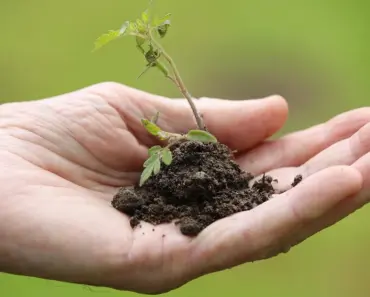
The process is remarkably straightforward. You simply sow any dried chickpeas into soil and water them. Choose a pot or tray with drainage holes – a standard seed tray works perfectly. Fill the container with a good quality potting mix. Spread the chickpeas evenly across the surface and cover them lightly with a thin layer of soil. Gently water the soil, ensuring it’s moist but not soggy. Avoid overwatering, as this can lead to rot. Place the container in a location that receives bright, indirect sunlight. Consistent moisture and adequate light are key to successful germination. Expect to see sprouts within 10 to 12 weeks – a truly rewarding experience!
While the chickpea hack is generally easy, there’s one critical consideration for successful results. Not all of your chickpeas will sprout, particularly if you’re using ones from a grocery store. As Genia – founder and creative director of Lush Petals – explains, “Chickpeas purchased in bag at the grocery store are intended as food, not seeds for planting. Although some of them will sprout when planted, the germination rate or yield is likely to be much lower than if you purchase a packet of certified seeds.” Genia recommends using chickpea-specific inoculant on the soil where you intend to start your seeds. An inoculant is designed to help prevent diseases and bacteria for your plants, as well as to boost their potential yield. The MicroLife Bio Inoculant from Amazon is a good choice, plus its slow-release for long-lasting impact. This inoculant contains beneficial microbes that will establish a healthy root system, leading to stronger, more vigorous growth – a significant advantage when growing filler foliage for bouquets.
There are so many reasons why people enjoy adding sprigs of greenery to their bouquets of flowers, from enhancing visuals to bulking out their arrangements. Genia Silva, the founder and creative director of Lush Petals, shares: “Greenery from the foliage adds extra texture and colour to the bouquet and creates an opportunity for intended negative space and air in a bouquet.” It’s not just about aesthetics; greenery plays a vital role in the structural integrity of a bouquet. Heavier-headed blooms can be prone to drooping or snapping, and greenery acts as a supportive framework, preventing this from happening. “Heavier-headed blooms can be rested on the foliage and use it as support as well. The leaves could be totally stripped or hidden if the designer just wants to use foliage for its structural function, but it can look amazing too.” The addition of greenery also introduces an element of natural asymmetry and movement, making the bouquet feel more organic and less rigidly constructed.
While chickpeas offer a unique and surprisingly effective filler, there are several other foliage options that lend themselves beautifully to floral arrangements. Eucalyptus, with its silvery green leaves and clean fragrance, adds both volume and graceful drape to the bouquet. Eucalyptus is extremely long lasting and exists in many varieties, each with leaves in a uni-directional pattern, adding to the visual interest. Lemon Leaf provides a polished backdrop and long vase life. Dusty Miller introduces unique velvety texture and dries beautifully, retaining its silvery-grey hue even after being dried. Ferns create an elegant, natural structure, adding a touch of woodland charm. All of these options, and many more, can be incorporated to create a truly stunning and bespoke bouquet.
You may also enjoy reading: 7 Easy Ways to Make Clay Plant Markers.
To ensure your bouquets maintain their shape and prevent drooping, consider using a vase with a hidden stem support. This internal structure provides crucial stability, especially for arrangements featuring heavy blooms or abundant foliage. A well-placed stem support will keep the floral arrangement in place, preventing it from tilting or collapsing over time. This simple addition can make a world of difference in the longevity and presentation of your bouquet. You can even use floral foam, strategically placed within the vase, to provide additional support and hold the stems in place. The design of your vase matters too; a vase with a wider base provides a more stable foundation for your arrangement.
Interestingly, the use of legumes – including chickpeas – as decorative elements dates back centuries. Historically, dried beans and seeds were incorporated into floral arrangements and even used as amulets and charms. In ancient Egypt, beans were often placed in tombs to provide sustenance for the deceased in the afterlife. Similarly, in various cultures, legumes were used to symbolize fertility and abundance. The chickpea’s resilience – its ability to thrive in arid conditions – also lends itself to the symbolism of strength and perseverance. Donna’s modern adaptation of this ancient practice demonstrates how traditional ideas can be reimagined and applied in contemporary floral design. This hack is not just about creating beautiful bouquets; it’s about connecting with a rich history of using natural materials for aesthetic and symbolic purposes.
Concluding this exploration of the chickpea hack, it’s clear that this surprisingly effective technique offers a sustainable, affordable, and visually stunning way to elevate your floral arrangements. From the simple act of sowing chickpeas to the strategic incorporation of greenery, this DIY project is a testament to the beauty of resourceful gardening and the enduring appeal of natural elements in design. Donna’s clever idea has truly blossomed into a popular trend, proving that sometimes, the simplest solutions are the most impactful. To help your flowers reach their full potential, consider pairing your chickpea foliage with a vase with a hidden stem support.