Growing Brandywine Tomatoes This April: A Comprehensive Guide
The Brandywine tomato – a name synonymous with heirloom quality and unparalleled flavor – demands respect. Its large, luscious fruits, often weighing over a pound, have captivated gardeners for generations. But this magnificent tomato is also notoriously demanding, taking 80-100 days to mature and requiring diligent care throughout its growth cycle. April marks a critical juncture for Brandywine growers, a time to transition from seed starting to establishing a strong foundation for a bountiful harvest. This guide provides a detailed, step-by-step approach tailored for success, addressing common challenges and offering practical solutions, regardless of your climate zone.
The Allure of Brandywine: Why This Tomato Stands Apart
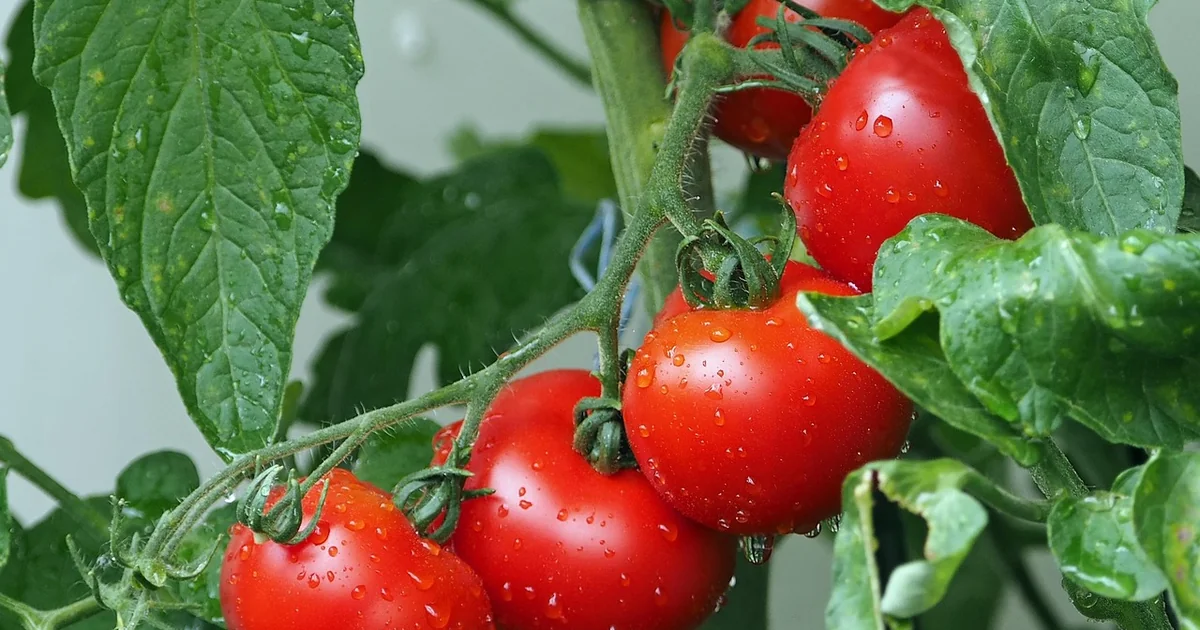
Brandywine tomatoes aren’t just tomatoes; they’re an experience. Unlike many modern hybrids bred for uniformity and shelf life, Brandywine tomatoes retain the complex flavors that have been lost in decades of selective breeding. The ‘Red Brandywine’ offers a rich, balanced tomato taste – often described as slightly sweet with a hint of acidity – while the ‘Yellow Brandywine’ boasts a golden hue and a balanced sweetness. The flavor is consistently rated among the best of any variety, and one ripe fruit can weigh close to 2 pounds! This intense flavor is a direct result of Brandywine’s heritage as a seedling selection, carefully cultivated over a century by John Shields in Pomona, California. Shields sought to recreate the tomato he’d tasted as a child, a tomato so flavorful it was almost a memory, and he succeeded brilliantly. The ‘Yellow’ variety, a later addition to the Brandywine lineage, provides a visually stunning contrast to the classic red, offering a truly remarkable culinary experience.
Starting Seeds Early: Your April Timeline
The key to a successful Brandywine harvest begins long before transplanting. Starting seeds indoors in April is crucial, particularly for gardeners in cooler climates (zones 3-5). Traditionally, seed starting was a spring activity, but with the climate shifting, starting seeds in late March or early April allows you to get a head start, giving your Brandywine plants a significant advantage. If you haven’t sown seeds yet, early April is your last practical window in most climates. The goal is to provide a controlled environment where the seedlings can develop strong roots before being exposed to the outdoor elements. Use a seed-starting mix – avoid garden soil, which can harbor diseases – and sow the seeds about ¼ inch deep. Keep the soil consistently moist, maintaining a temperature of 75°F to 80°F (24-27°C) for optimal germination. A heat mat can be invaluable for maintaining this temperature, especially in cooler homes. Germination typically occurs within 7-14 days, but patience is key. Once the seedlings emerge, switch to a grow light, positioning it 2-3 inches above the seedlings and adjusting as they grow. Running the light for 14-16 hours per day is ideal. Don’t be alarmed if your seedlings stretch towards the light; this is a natural response to the lack of intense sunlight. This is where burying the stem becomes important – see the next section for more detail.
Strengthening Seedlings: Addressing Leggy Growth
One of the most common challenges faced by indoor Brandywine growers is leggy, weak seedlings. The plants grow fast and stretch toward whatever light is available, and if the light source isn’t strong or close enough, you end up with tall, thin-stemmed seedlings that struggle to support themselves after transplanting. This is a significant issue because a weak stem is prone to snapping under the weight of a large Brandywine fruit. Fortunately, there are several techniques to combat this problem. Firstly, ensure your grow lights are powerful enough and positioned correctly – don’t be afraid to move them closer as the seedlings grow. Burying the stem is a highly effective strategy. When potting up into larger containers (about four inches in diameter), gently bury two-thirds of the stem. This encourages root development along the buried portion of the stem, providing extra support. Another useful technique is to gently sway the seedlings back and forth with a fan set on low for a few hours a day. This simulates wind and triggers the plant to produce thicker, sturdier tissue. This process, known as stem training, is particularly beneficial in zones 5 and lower, where the light may be less intense.
Potting Up and Fertilizing: Nurturing Root Development
As your Brandywine seedlings grow, they’ll need to be transplanted into larger containers. Start with small pint-sized containers and gradually move them up to quart-sized or even gallon-sized pots as they mature. This provides ample space for the roots to expand and develop. When potting up, use a high-quality potting mix that drains well. Around the time of the first true leaves (the leaves that appear after the initial seed leaves), begin feeding your seedlings with a diluted balanced fertilizer – a 10-10-10 or similar formula diluted to half strength. Apply the fertilizer every week or two, following the instructions on the fertilizer label. Avoid over-fertilizing, as this can burn the roots. Consistent, gentle feeding supports steady growth without pushing the seedlings too hard. Monitor your seedlings closely for signs of nutrient deficiencies, such as yellowing leaves or stunted growth. Adjust your feeding schedule as needed.
Preparing for Transplant: Hardening Off
Before transplanting your Brandywine seedlings into the garden, it’s essential to “harden them off.” This gradual acclimation process helps them adjust to the outdoor environment and reduces transplant shock. Starting about a week or two before transplanting, gradually expose the seedlings to increasing amounts of sunlight and wind. Begin by placing them outdoors in a sheltered location for just an hour or two each day, gradually increasing the time they spend outside over the course of a week. Monitor them closely for signs of stress, such as wilting or leaf drop. If they show signs of distress, move them back indoors. Hardening off is a simple but crucial step that can significantly improve your seedlings’ survival rate.
Transplanting and Support Systems: Setting the Stage for Success
Transplanting Brandywine tomatoes should be done on a cloudy day or in the late afternoon to minimize stress on the plants. Dig a hole slightly larger than the root ball and gently remove the seedling from its container, being careful not to damage the roots. Plant the seedling deep, burying two-thirds of the stem. This encourages root development along the buried portion of the stem, providing extra support and stability. Install your support system – stakes or cages – at planting time. Driving stakes or setting up cages after the plant is established risks damaging the root system. Use sturdy wooden or metal stakes at least six feet tall, driven well into the ground, or build a cage from heavy-gauge wire that can handle the weight of multiple one-pound fruits! If you’re growing several plants in a row, a Florida weave (running twine between posts on either side of the plants) works well and is easier to set up than individual cages. Whatever method you use, plan to tie the main stem to the support structure as it grows. Consistent tying helps maintain a strong, upright growth habit, preventing the plant from sprawling and becoming top-heavy.
You may also enjoy reading: 7 Best Snake Plant Soil Mixes for Growth.
Ongoing Care: Watering, Fertilizing, and Monitoring
Once your Brandywine tomatoes are transplanted, regular watering and fertilizing are essential. Water deeply and consistently, especially during dry periods. Aim to keep the soil evenly moist, but not waterlogged. Monitor your plants regularly for signs of pests or diseases. Brandywine tomatoes are generally resistant to many common pests, but they can be susceptible to tomato hornworms and aphids. Inspect your plants regularly and take action promptly if you find any pests. A diluted solution of insecticidal soap or neem oil can be effective for controlling many pests. Continue feeding your plants with a balanced fertilizer every two to three weeks, following the instructions on the fertilizer label. Pay attention to the leaves – yellowing leaves can indicate a nutrient deficiency, while brown spots can be a sign of a fungal disease. Remove any diseased leaves promptly to prevent the spread of infection.
Climate Considerations: Adapting to Your Zone
Growing Brandywine tomatoes successfully depends heavily on your climate zone. In warmer climates (zones 8-10), you can start transplanting as early as April, providing the plants have been properly hardened off. However, even in warmer climates, evenings may still be cool, so providing some protection from frost is advisable. In cooler climates (zones 3-5), it’s best to wait until late May or early June to transplant, allowing the plants to mature fully indoors before being exposed to the outdoor environment. Regardless of your climate zone, providing adequate sunlight is crucial. Brandywine tomatoes need at least 6-8 hours of direct sunlight per day to thrive. If you don’t have enough sunlight in your garden, consider supplementing with grow lights.
A Legacy of Flavor: Enjoying Your Harvest
The culmination of all your efforts – from starting seeds to providing ongoing care – is the opportunity to savor the incomparable flavor of Brandywine tomatoes. Whether you’re slicing them into salads, grilling them with herbs, or simply enjoying them fresh off the vine, each bite is a reminder of the rich history and exceptional quality of this remarkable tomato. With a little patience and attention, you can experience the joy of harvesting your own Brandywine tomatoes, a true testament to the enduring legacy of John Shields and his quest to recreate a taste of the past.
Note: This guide provides general advice for growing Brandywine tomatoes. Specific requirements may vary depending on your local climate and soil conditions.