The scent of ripening figs is a quintessential sign of summer, but that delicious harvest starts long before the first fruit appears. Many homeowners overlook these crucial steps, leading to stunted growth and disappointing harvests. This isn’t just about gardening; it’s about nurturing a beautiful, productive piece of your landscape and enjoying the fruits (literally!) of your labor.
Last Chance for Pruning
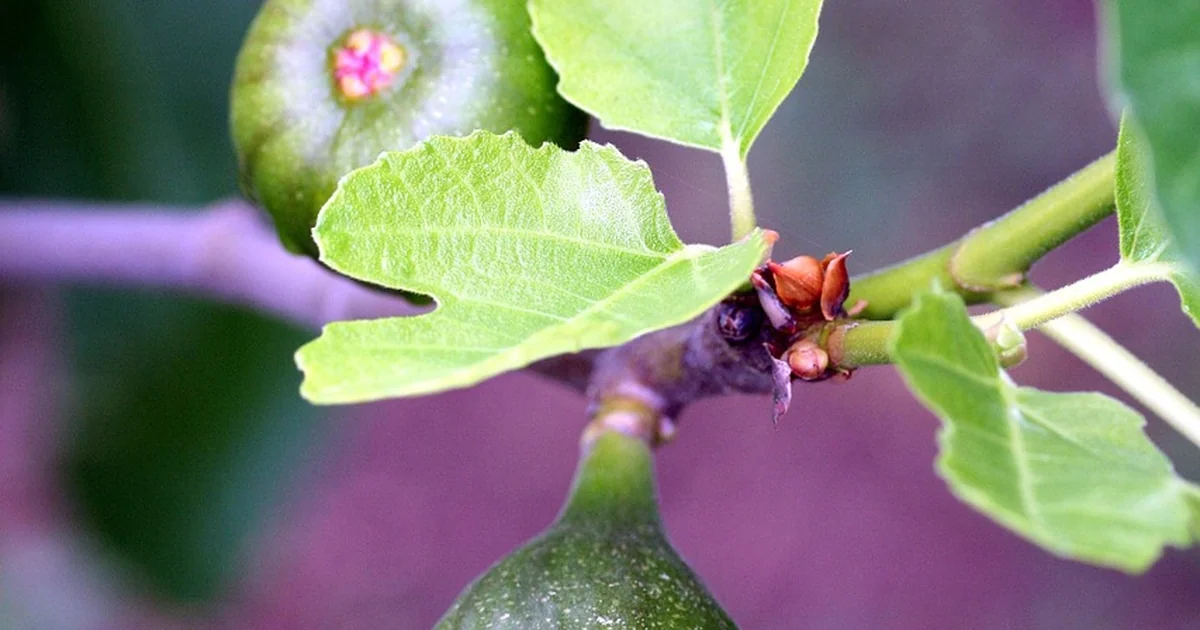
April often presents a final window for pruning fig trees, particularly in areas with cooler springs. The reason this timing is so important lies in the tree’s dormancy cycle. Fig trees, like many fruit trees, enter a period of relative rest in the winter. During this time, their growth slows dramatically, and pruning is less likely to cause stress. However, the longer you delay pruning, the more likely it is that the tree will begin to sprout new growth before the threat of frost has completely passed. Pruning too late in the season can expose fresh wounds to the elements, inviting pests and diseases. Mature fig trees, ideally possessing 3-5 strong, well-spaced branches as their foundational “scaffolding,” require careful shaping. This involves removing any dead, diseased, or crossing branches – branches that rub against each other and create wounds. Thinning the canopy is equally important; removing interior branches allows for better air circulation and sunlight penetration, both critical for healthy growth and abundant fruit production. Consider the variety of your fig tree; cold-hardy varieties, such as ‘Chicago Hardy’ (available from Fast Growing Trees), often benefit from pruning to maintain their compact size and prevent them from becoming overly top-heavy, making them more susceptible to winter damage. The objective isn’t to drastically reduce the tree’s size, but rather to encourage a strong, well-balanced structure that will support a robust harvest. Think of it like training a runner – you’re shaping their form for optimal performance, not shrinking them down. A significant benefit of pruning during dormancy is that the tree’s natural healing processes are at their strongest, allowing wounds to close quickly and efficiently. Pruning now minimizes the risk of attracting pests and diseases that might exploit open wounds.
Fertilize Your Fig Trees
As the days lengthen and temperatures begin to rise, fig trees awaken from their winter slumber and embark on a period of rapid growth. This burgeoning energy demand necessitates a boost of nutrients, making spring the ideal time to fertilize. The window for fertilization varies depending on your climate; in warmer regions, the ground may already be thawing and trees are actively sprouting, making early spring fertilization necessary. In cooler climates, waiting until late April or early May is generally advisable. The key is to provide a balanced fertilizer that caters to the tree’s specific needs. A fertilizer with a ratio of 4-4-4 (nitrogen-phosphorus-potassium) is a good starting point, available at most garden centers and online retailers like Amazon. However, understanding your local soil type can inform your choice. For example, sandy soils tend to drain quickly, requiring more frequent fertilization, while clay soils retain moisture longer and may benefit from less frequent applications. Before applying fertilizer, it’s crucial to water the tree thoroughly – the day before is ideal. This “pre-watering” process, known as soil saturation, helps to hydrate the roots, making them more receptive to nutrient uptake. Apply the fertilizer evenly around the drip line (the area where the branches meet the ground) and gently work it into the top inch of soil with a hand rake. Mulching with organic materials, such as wood chips or shredded bark, helps to retain soil moisture, suppress weeds, and regulate soil temperature – creating an optimal environment for root development. Be mindful of the mulch layer, ensuring it doesn’t directly touch the trunk of the tree, as this can create conditions conducive to fungal growth. Consider incorporating slow-release organic fertilizers, like bone meal or fish emulsion, which provide a sustained supply of nutrients over time. Measuring your soil’s pH level with a home kit can also provide valuable insights into its nutrient content. A slightly acidic pH (around 6.0-6.5) is generally optimal for fig trees. Fertilizing your fig trees in the spring isn’t just about providing nutrients; it’s about investing in a healthy, vigorous tree that will reward you with a bountiful harvest.
Manage Damage
You may also enjoy reading: 7 Houseplants That Actually Like Root Bound.
After enduring the challenges of winter – harsh winds, heavy snowfall, and fluctuating temperatures – your fig tree may appear a little worse for wear. April marks the time to assess and address any damage sustained during the colder months. This includes carefully examining branches for signs of breakage, removing any dead or damaged limbs, and addressing pest infestations. Branches snapped during early spring storms often create ragged wounds that are vulnerable to infection. Prune these broken limbs cleanly, making cuts just outside the branch collar (the swollen area where the branch joins the trunk). This allows the tree to heal properly. Also inspect the tree for any signs of disease, such as fungal growth or discoloration of leaves. Common fig tree pests, such as carpenter worms, dried fruit beetles, fig beetles, scale insects, and fig tree borers, are beginning to emerge from their overwintering sites and may be actively feeding on the tree. Early detection is key to effective control. Regularly monitor your tree for signs of infestation – webbing, small holes in leaves, or sawdust-like frass (insect droppings) – and take appropriate action. Physical barriers, such as sticky traps, can help to prevent pest infestations. For more severe infestations, consider using insecticidal soap or horticultural oil, following the manufacturer’s instructions carefully. Don’t overlook the potential for late frosts. Figs are native to the Mediterranean region, where winters are typically mild, so they are not well-equipped to handle late-season cold snaps. Protect your tree with a frost blanket, readily available at stores like Home Depot, particularly if you live in an area with a short growing season. Container-grown fig trees are particularly vulnerable to frost damage and should be brought indoors or sheltered during any cold weather. A plant caddy for easy transport is a useful investment. Remember that a healthy tree is more resilient to damage. Consistent care throughout the year – including proper pruning, fertilization, and pest management – will strengthen your fig tree’s defenses and ensure its long-term health and productivity. A little proactive management now will pay off handsomely in the form of a thriving tree and a delicious fig harvest later in the season.
Understanding fig tree growth habits – how do they respond to pruning? Fig trees are remarkably forgiving when it comes to pruning. Unlike some fruit trees that require very precise pruning techniques, fig trees can handle a good amount of shaping and thinning without significant repercussions. The key is to prune during dormancy, as we’ve discussed, to minimize stress. Over-pruning can weaken the tree, but light pruning – removing dead, diseased, or crossing branches – is generally beneficial. Fig trees tend to branch out in a vase-like shape, which is naturally well-suited to supporting a good fruit load. Pruning helps to maintain this shape and encourages new growth. The impact of soil type on fig tree fertilization needs is another important consideration. Fig trees thrive in well-drained soil, but the specific nutrient requirements can vary depending on the soil type. Sandy soils drain quickly, requiring more frequent fertilization to replenish nutrients lost through leaching. Clay soils retain moisture and nutrients longer, allowing for less frequent applications. A soil test can provide valuable insights into your soil’s nutrient levels and pH balance, allowing you to tailor your fertilization program accordingly. Dealing with common fig tree pests after pruning and fertilizing is a crucial step in ensuring the health and vigor of your tree. After pruning and fertilizing, the tree becomes even more attractive to pests. Regularly inspect the tree for signs of infestation, such as webbing, small holes in leaves, or sawdust-like frass. Early detection is key to effective control. Consider using insecticidal soap or horticultural oil to control common fig tree pests, such as carpenter worms, dried fruit beetles, fig beetles, scale insects, and fig tree borers. Maintaining a healthy tree through proper pruning and fertilization will naturally reduce its susceptibility to pests and diseases. Finally, how pruning affects fig fruit quality – size and sweetness is a fascinating area of research. Studies have shown that pruning can influence fruit size and sweetness. Removing excess branches encourages the tree to focus its energy on producing fewer, larger, and sweeter fruits. Proper pruning also improves air circulation and sunlight penetration, which can enhance fruit quality.
In summary, April is a pivotal month for fig tree care. By combining strategic pruning, targeted fertilization, and diligent damage management, you’ll set the stage for a season of exceptional growth and a truly rewarding fig harvest. Don’t let this opportunity pass you by – invest a little time and effort in your fig trees, and you’ll be rewarded with the sweet taste of success.