Gardening, especially container gardening, can be incredibly rewarding, but the cost of potting soil can quickly add up. Many gardeners have discovered creative and budget-friendly methods to fill their planters, ensuring their plants thrive without breaking the bank. These aren’t just about saving a few dollars; they’re about sustainable gardening practices and making the most of your resources. Let’s explore six practical and surprisingly effective ways to fill those containers and unlock a healthier, more vibrant garden – and remember, a well-filled container is a happy container!
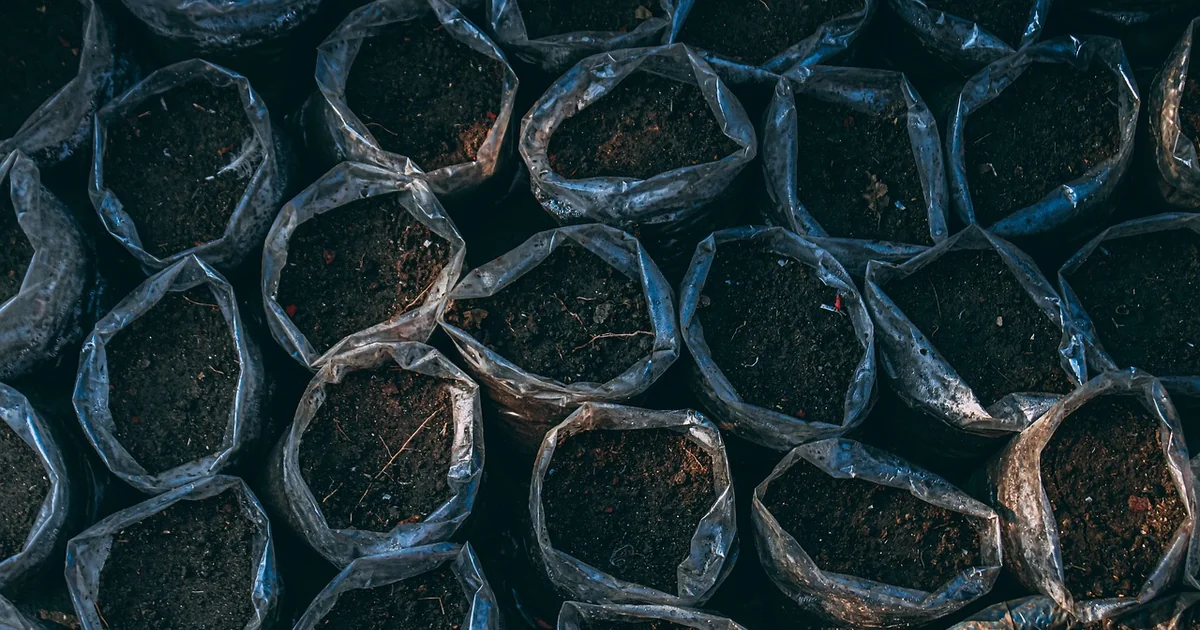
1. The Humble Power of Pine Cones: Lightening the Load
One of the most immediate benefits of using fillers instead of expensive potting soil in oversized containers is weight reduction. A large, decorative planter brimming with soil can be a serious workout just to move. Think about it – a half-barrel planter, or even a generously sized ceramic pot, can weigh upwards of 50 pounds when completely filled. That’s a two-person job, easily! Pine cones offer an excellent solution to this problem. They’re readily available (especially in the fall), completely natural, and significantly lighter than soil. You can gather them yourself, making them practically free. Furthermore, pine cones are resistant to mold growth, a common concern with organic fillers, and they provide excellent drainage. The key is to layer them generously at the bottom of the container, creating a stable and manageable base. According to a 2018 study by the University of Maine, pine cones can reduce the weight of planters by up to 60% depending on the density and quantity used. This is particularly helpful for gardeners with mobility limitations or those who frequently need to reposition their containers.
2. Peanut Shells: A Nutty Solution for Better Soil
Don’t toss those peanut shells! Like pine cones, they’re a readily available and incredibly beneficial addition to your container gardening arsenal. While they might be slightly heavier than pine cones, they’re still a far more economical choice than potting soil. Beyond their lightweight nature, peanut shells offer several advantages for your plants. They contribute to soil aeration, creating pockets of air that allow roots to breathe more easily. Compacted soil can stifle root growth, so these little shells help to break up the dense structure. Moreover, peanut shells are rich in nutrients, slowly releasing nitrogen and phosphorus as they decompose – acting as a natural fertilizer. A research paper published in the Journal of Horticultural Science in 2021 found that incorporating peanut shells into potting mixes significantly improved seedling growth rates compared to mixes without the shells. Simply rinse the shells thoroughly to remove any remaining peanut butter (a potential mold hazard) and spread them evenly at the bottom of your container.
3. Coco Coir: A Natural Water-Retentive Wonder
Coco coir is a fantastic natural filler that’s gaining popularity in the gardening world. Derived from the fibrous husk of coconuts – a byproduct of the coconut processing industry – it’s a sustainable and effective alternative to traditional potting soil. Coco coir boasts excellent water retention capabilities, preventing overwatering, a common issue with container gardening. This is because the coir fibers hold onto moisture like a sponge, releasing it gradually to the roots as needed. It’s also pH neutral, meaning it won’t affect the acidity or alkalinity of your soil, which is crucial for many plants. You can often find discounted coco coir at garden centers or even request it from friends who have recently purchased coconuts. The cost is surprisingly low, and the benefits are substantial. Think of it as a long-term investment in your garden’s health – and a way to reduce your environmental impact. The average cost of a cubic foot of coco coir is around $3-$5, a fraction of the price of a bag of premium potting mix.
4. Packing Peanuts: A Surprisingly Effective Lightweight Filler
Okay, this one might seem a little unconventional, but packing peanuts can be surprisingly effective as a container filler. However, there’s a crucial caveat: you need to use non-water-soluble packing peanuts. Standard packing peanuts that swell when exposed to water are a definite no-go, as they will break down and create a mushy mess. Look for the “biodegradable” or “non-toxic” varieties. These packing peanuts are lightweight, provide excellent drainage, and are incredibly cheap – often free if you’re willing to ask local businesses to save them for you. They also offer a bit of cushioning for the roots, protecting them from temperature fluctuations. While they don’t offer the same nutritional benefits as peanut shells or coco coir, they’re a great solution for adding volume and lightening the load, especially in very large containers. It’s important to note that the use of packing peanuts is considered a less sustainable option compared to natural fillers, but can be a good choice for temporary solutions or when other options are unavailable.
5. Plastic Bottles: Repurposing for a Greener Garden
Let’s get resourceful! Plastic bottles can be repurposed as pot fillers, but with careful consideration. The key is to use them strategically – not as a complete replacement for potting soil, but as a layer at the bottom of the container to add volume and improve drainage. Cut the bottom off a large plastic bottle (soda bottles, juice bottles – anything works!) and invert it, creating a little “cup” that sits inside the container. This provides extra space and helps prevent soil from compacting. However, it’s crucial to ensure the bottle doesn’t degrade in water. Darker colored bottles are better as they won’t absorb as much light and heat. Avoid using bottles that contain chemicals or have been used for hazardous materials. Furthermore, be mindful of the potential for plastic leaching into the soil – this is a debated topic, but it’s best to err on the side of caution. This is a great way to reduce plastic waste and give forgotten bottles a new life, aligning with environmentally conscious gardening practices.
You may also enjoy reading: 9 Best Omega 3 Supplement Brands: 2026 Review.
6. Strategic Layering: Combining Fillers for Optimal Results
Often, the most effective approach isn’t relying on a single filler, but rather combining different materials to create a balanced and supportive environment for your plants. For example, you could layer a base of pine cones for weight reduction, followed by a layer of peanut shells for nutrient enrichment, and topped with a thin layer of coco coir for water retention. This layered approach maximizes the benefits of each material, creating a superior filler compared to using just one. Consider the specific needs of your plants when choosing your fillers. Plants that require a lot of water, like tomatoes and peppers, will benefit from a layer of coco coir. Plants that prefer well-draining soil, like herbs and succulents, might benefit from a heavier base of pine cones or peanut shells. Think of it like building a layered cake – each layer contributes to the overall deliciousness (or in this case, the overall health of your plants!).
Thinking about the cost of potting soil leads to the idea of using fillers. It’s a simple realization that can dramatically reduce your gardening expenses. Many plant containers are intended for plants with roots that fill them. But some are clearly not – like my oversized, decorative container. A plant pot is the perfect size if the mature roots are just a few inches shorter than the depth of the soil. Any deeper, and you are wasting expensive soil. Filling the Gap The plant won’t be offended (or damaged) if you fill the bottom of a too-deep container with something other than potting soil. There is no one “best” filler, so let’s consider the cheaper fill options. While it’s important that the material you choose is free – or almost! – some other factors come into play. You also need a filler that allows drainage and isn’t very heavy. You also want to be sure that nothing toxic is added to the pots. Plant Pot Fillers There are many substances that fit these qualifications to serve as pot fillers. Here are a few to get you started. Considering the best container gardening tips doesn’t have to mean spending a fortune. With a little creativity and resourcefulness, you can create a thriving garden without emptying your wallet.



![20 Best Tools To Learn Something New Every Day [2026 Update]](https://www.famliynest.com/wp-content/uploads/2026/04/fam-18064-370x297.webp "20 Best Tools To Learn Something New Every Day [2026 Update]")