The feeling of exposure in a front yard is a surprisingly common one. Unlike the relative seclusion of a back garden, the front of your home is often a stage – open to the public, the street, and the constant flow of activity. For years, our front yard felt precisely that: visible, a little barren, and lacking the comforting sense of privacy we crave at our doorstep. It wasn’t until a single plant, rescued from the brink by a skilled gardener, that things began to change. That plant, a humble laurel, quietly transformed our space, offering not just privacy but a haven for local wildlife and a welcome touch of greenery year-round. This isn’t about grand landscaping or expensive installations; it’s about recognizing the potential in overlooked plants and harnessing their ability to create a beautiful, functional, and private outdoor space. Let’s explore 11 plants that can deliver exactly that – a lasting sense of seclusion and support for your local ecosystem, right at your front door.
Understanding the Need for Front Yard Privacy
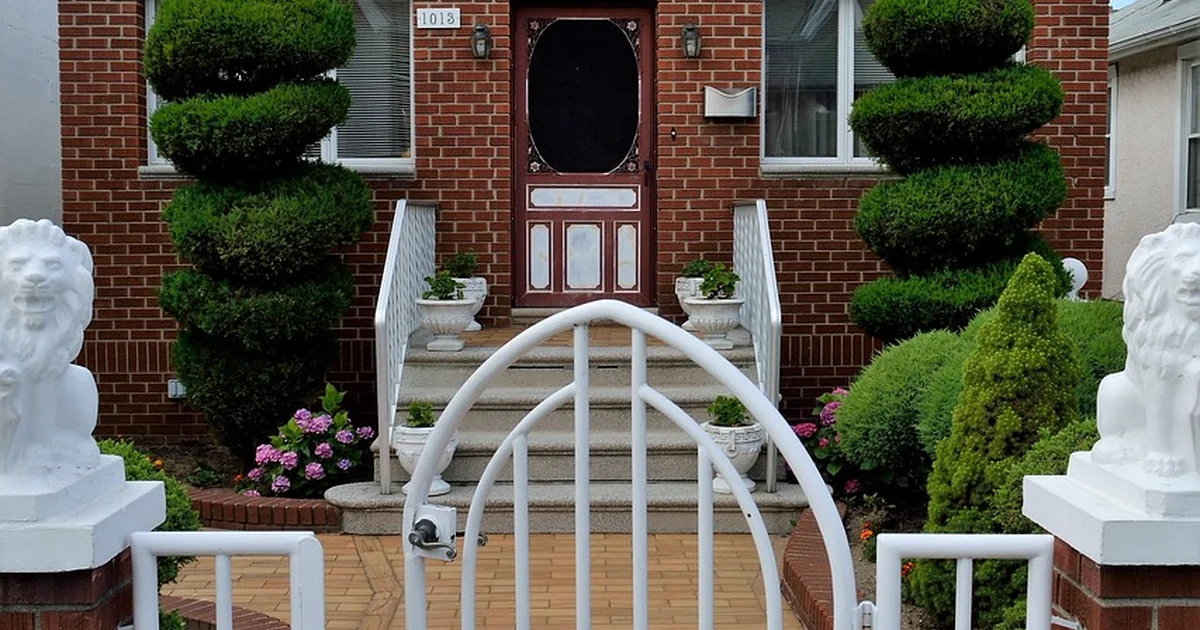
Before we dive into specific plant recommendations, let’s acknowledge why front yard privacy is so important. Beyond simply feeling more secure and comfortable in your own home, creating a sense of enclosure can dramatically improve your quality of life. Noise pollution from traffic and neighbors is a significant concern for many homeowners, and a dense planting can act as a natural buffer, reducing the intrusion of unwanted sounds. Furthermore, a private front yard offers a more welcoming and relaxing space for entertaining guests, letting children play safely, and simply enjoying the outdoors without feeling constantly observed. It’s a surprisingly powerful element of home design, often underestimated in its impact.
Laurels: A Star Player in Front Yard Privacy
Let’s start with the plant that sparked this whole journey: the laurel, specifically the cherry laurel (Prunus laurocerasus). It’s a remarkably versatile shrub that ticks many of the boxes for front yard privacy. But why did this plant, initially looking rather forlorn, ultimately become our champion? The key, as my husband patiently explained, was a little care and attention. He discovered a bundle of sickly yellow twigs discarded by a neighbor, and while I initially dismissed them as hopeless, he saw potential. Over the course of a few months, with consistent watering, pruning, and a healthy dose of fertilizer, he nursed them back to life. The transformation was astonishing. The droopy, yellowed branches gradually regained their glossy green hue, and the plant began to establish itself as a robust and reliable screen. It’s a powerful testament to the resilience of plants and the rewards of a little nurturing. The fact that this plant is native to Europe means it’s already adapted to a range of climates and soil conditions, making it a relatively low-maintenance choice for many homeowners.
Laurel Facts & Considerations
- Deer Resistance: Laurels are remarkably deer-resistant, a huge benefit if you live in an area with a significant deer population.
- Drought Tolerance: Once established, laurels are quite drought-tolerant, meaning you won’t need to water them constantly, especially important for busy homeowners.
- USDA Zones: Laurels are adaptable to a wide range of USDA zones, typically ranging from 5 to 9, giving you flexibility depending on your location.
- Sunlight Requirements: They thrive in both sun and partial shade, allowing you to place them strategically in your front yard.
- Toxicity: It’s crucial to remember that all parts of the laurel plant are toxic if ingested. Keep children and pets away from the foliage.
- Growth Rate: Laurels are relatively fast growers, providing a quick screen and a sense of enclosure.
Beyond Laurels: 10 Other Plants for Front Yard Privacy
While laurel is a fantastic choice, it’s not the only option for creating a private front yard. Here are ten other plants that can deliver privacy, beauty, and ecological benefits:
- Boxwood (Buxus): Boxwood is a classic choice for hedging and creating formal privacy screens. It’s slow-growing, requiring regular pruning to maintain its shape, but it offers a dense, evergreen foliage. It’s also incredibly versatile and can be shaped into various forms. Consider ‘Green Velvet’ for a particularly dense and dark green variety.
- Juniper (Various Species): Junipers come in a wide range of sizes and shapes, making them suitable for various front yard designs. Some varieties, like ‘Blue Star’ juniper, offer stunning blue foliage and excellent privacy. They’re generally low-maintenance and drought-tolerant.
- Hornbeam (Carpinus betulus): Hornbeams are known for their graceful branching patterns and dense foliage. They’re relatively fast-growing and can quickly create a substantial screen.
- Viburnum (Various Species): Viburnums offer beautiful flowers and berries, adding visual interest to your front yard. They’re also relatively low-maintenance and provide good privacy.
- Hydrangea (Hydrangea macrophylla): While hydrangeas are known for their large, showy blooms, they can also provide a decent amount of privacy when planted in a dense hedge.
- Forrestii (Forrestia fibrosa): This plant is unique for its ability to grow extremely densely, creating a solid wall of green foliage. It’s a great option for creating a natural privacy screen.
- Japanese Holly (Ilex crenata): Japanese Holly comes in a variety of sizes and shapes, and it’s known for its dense, evergreen foliage. It’s also relatively easy to care for and can be pruned into a variety of shapes.
- Spirea (Spiraea japonica): Spirea is a flowering shrub that can provide good privacy when planted in a row. It blooms profusely in spring and summer, adding color to your front yard.
- American Beautyberry (Callicarpa americana): This native shrub offers stunning purple berries in the fall, providing a beautiful contrast to the green foliage. It’s also relatively low-maintenance and attracts pollinators.
- Bamboo (Clumping Varieties): While running bamboo can be invasive, clumping bamboo varieties offer a dense, tropical-looking privacy screen. Be sure to choose a non-invasive variety and plant it in a contained area.
Reader Scenarios: Privacy Solutions for Specific Needs
Let’s consider how these plants might address some common homeowner challenges:
Scenario 1: The Noise Warrior – Imagine a reader who lives on a busy street and is constantly bothered by traffic noise. A dense hedge of boxwood or juniper could effectively block out the sounds, creating a more peaceful and relaxing front yard. The layering of different plant textures – the smooth leaves of boxwood against the spiky needles of juniper – would further enhance the sound-dampening effect.
Scenario 2: The Small Yard Strategist – For someone with a small front yard, laurel or Japanese holly, with their compact growth habits, would be ideal. Proper pruning and shaping can help maximize privacy without sacrificing valuable space. Consider incorporating a vertical element, like a trellis with climbing vines, to create a layered effect.
Scenario 3: The Deer-Prone Resident – If you live in an area with a heavy deer population, laurel is an excellent choice due to its natural resistance. However, juniper and viburnum also offer decent deer protection, especially when combined with other deer-deterrent measures like fencing or repellents.
You may also enjoy reading: 7 Essential Plants to Start Your Subsistence Garden for Maximum Harvest.
Scenario 4: The Safety-Conscious Parent – For families with young children, planting toxic plants like laurel requires careful consideration. Signs should be posted to warn visitors of the potential danger, and the plants should be placed in areas inaccessible to children. Alternatively, opting for non-toxic options like boxwood or spirea provides peace of mind.
Addressing Common Questions about Front Yard Privacy Plants
Let’s tackle some frequently asked questions to help you make informed decisions:
- What kind of soil conditions are best for laurel growth? Laurels thrive in well-drained soil that is slightly acidic. Amend heavy clay soils with organic matter to improve drainage.
- How often should laurel branches be trimmed besides the occasional light trimming? Laurels typically require pruning once or twice a year to maintain their shape and density. Heavy pruning should be avoided, as it can damage the plant.
- How do I transplant laurel plants carefully? When transplanting laurel, dig a hole twice as wide as the root ball and just as deep. Gently loosen the roots and place the plant in the hole, ensuring the top of the root ball is level with the surrounding soil. Water thoroughly and mulch around the base of the plant.
- What are the best ways to protect laurel from pests and diseases? Laurel can be susceptible to scale, aphids, and fungal diseases. Regularly inspect the plants for signs of infestation and treat promptly with appropriate pesticides or fungicides.
Beyond Privacy: Creating a Wildlife-Friendly Front Yard
While privacy is a key consideration, don’t overlook the opportunity to create a front yard that benefits local wildlife. Planting native shrubs and trees provides food and shelter for birds, insects, and other animals. Laurels, with their spring flowers and berries, are particularly attractive to pollinators. By incorporating a diverse range of plants, you can transform your front yard into a miniature ecosystem that supports biodiversity and enhances the beauty of your home.
As for our own laurel, it’s now a constant source of satisfaction. It’s more than just a privacy screen; it’s a reminder that even the most unassuming plants have the potential to transform our spaces and bring a touch of nature into our lives. And, of course, a testament to my husband’s horticultural skills – a skill I’m now quite grateful for.