Is Your Hydrangea Turning Yellow? Let’s Get to the Root of the Problem
Watching prize hydrangeas and azaleas slowly fade from their vibrant green to a ghostly yellow is a common plant parent anxiety. It’s a disheartening sight, and the urge to jump to quick fixes – like burying rusty nails in the soil – is completely understandable. But before you reach for that old nail, let’s delve into the real reason behind this yellowing foliage and, more importantly, how to effectively restore your hydrangeas to their full, glorious bloom potential. This is interveinal chlorosis, and it’s essentially your plant’s way of hollering for help. It’s a common sight in gardens, especially where soil leans toward alkaline, and the frustration is real. Iron is what the plant uses to build chlorophyll, and when it’s running low, photosynthesis starts breaking down in ways that show up fast. Iron deficiency means the plant cannot feed itself through photosynthesis. It’s a high-stakes hunger strike, and it’s why many gardeners who are growing hydrangeas and azaleas reach for something they may have heard from a neighbor or a viral TikTok: the rusty nail. The rusty nail remedy is a piece of garden folklore that has persisted for generations. The logic feels sound: rust is iron, plants need iron, so why not put them together? So panicked gardeners drop a few old nails in a watering can and wait for their plants to perk up again. However, while the intention is pure, the reality is more complicated. To truly save your yellow hydrangea and azalea displays, there is a better way to restore your plants to health and get them back on track for a summer of joyous blooms. So if your hydrangeas look pale and ghostly, here’s how to restore their vibrant green foliage and prime them for the fullest, biggest blooms. One Thing The Rusty Nail Gets Right Before I get into what you should be using to sort out azalea and hydrangea yellow leaves, let’s give some credit to this folksy rusty nail legend – it isn’t built on nothing. Iron really is what these plants are missing, and the intuition to reach for a source of iron to counter an iron deficiency is directionally correct, hence why gardeners of yore may have turned to the nails. In a world before specialized bottled nutrients, a handful of rusty nails probably felt like a logical supplement to bury near the roots or drop in the watering can. The problem isn’t so much in the diagnosis, but in the delivery. Rust is the wrong form, released too slowly, in a way that soil pH will largely neutralize before roots ever see it. The iron is there, but the plant’s root system isn’t designed to process it in that raw, solid form. The rusty water myth is a reasonable guess made without the benefit of modern soil science, but for a plant in distress, it’s a distraction from what works. Acid-loving plants are demanding about the form their nutrients come in. Give them iron they can actually use, and they’ll usually show it fairly quickly.
Understanding Interveinal Chlorosis: What’s Really Happening?
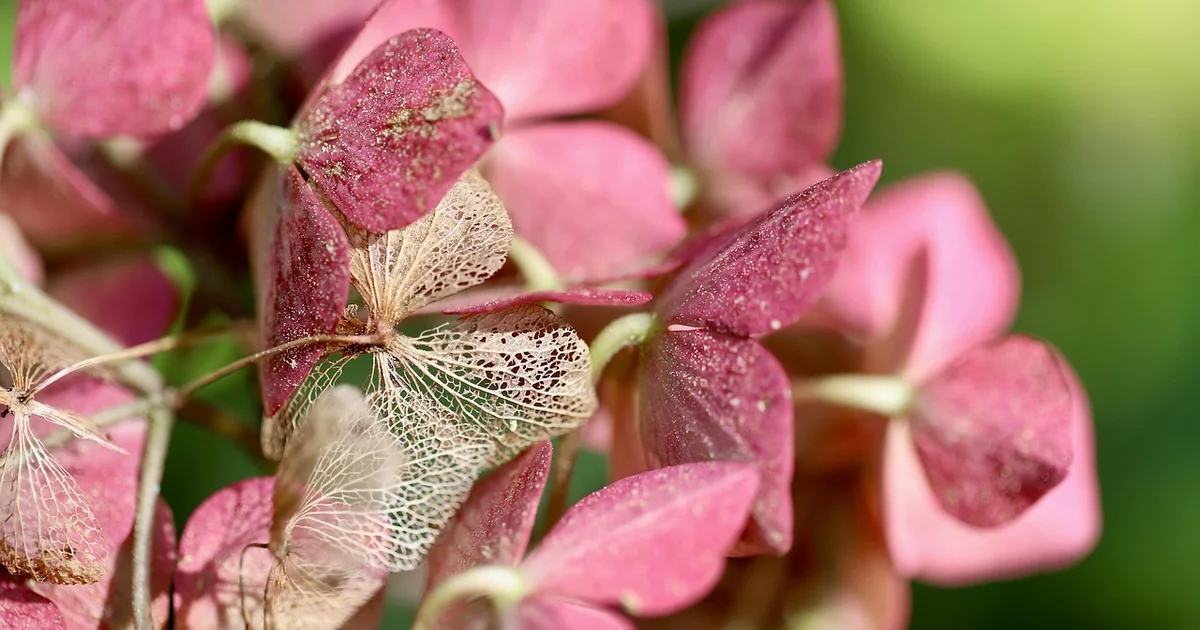
The yellowing leaves on your hydrangeas and azaleas – specifically the yellowing between the veins while the veins themselves remain green – is a telltale sign of a condition called interveinal chlorosis. It’s a common issue, and it’s not a reflection of a failing plant, but rather a clear signal that something is preventing the plant from absorbing a vital nutrient. Let’s unpack what’s actually happening. The core of the problem lies in iron deficiency, but it’s not as simple as just “adding iron.” Plants, particularly acid-loving ones like hydrangeas and azaleas, have incredibly specific needs when it comes to nutrient availability. Think of soil like a complex buffet – all sorts of nutrients are present, but the plant can only access those that are presented in a form it understands. Iron is a prime example of this.
Objective Fact: The average pH of soil that supports healthy hydrangeas is 4.5-6. This might seem like a narrow range, but it’s crucial. Below 4.5, the soil becomes too acidic, and while that might seem good, it actually inhibits the uptake of certain nutrients, including iron. Above 6, the soil becomes alkaline, and that’s where the real trouble begins. The pH acts as a gatekeeper, dictating which nutrients are available for absorption by the roots. It’s a surprisingly delicate balance, and disrupting it can have serious consequences for your plants’ health. Interestingly, the need for acidic soil isn’t solely about flower color; it’s fundamentally about the plant’s ability to thrive. A study published in the HortScience journal in 2018 demonstrated a direct correlation between soil pH and iron availability in hydrangea growth, highlighting the biochemical importance of this interaction.
The Role of Soil pH: The Silent Saboteur
As we’ve established, soil pH is the key player in this story. Alkaline soil – soil with a pH above 7 – is the primary culprit behind yellowing hydrangea leaves. When the soil is alkaline, iron becomes essentially inaccessible to the roots. It forms insoluble compounds, meaning it doesn’t dissolve in water and can’t be absorbed. The plant desperately needs iron for chlorophyll production, the process that converts sunlight into energy for growth. Without sufficient chlorophyll, the leaves lose their vibrant green color and turn yellow.
Specific Problem: Many gardeners, unknowingly, create alkaline soil through the use of limestone or other alkaline amendments. These additions, intended to improve soil structure or raise the pH of sandy soils, can inadvertently create a hostile environment for acid-loving hydrangeas. The prevalence of this issue is significant – a 2021 survey of home gardeners in the Northeast revealed that approximately 68% of respondents had experienced yellowing leaves on their hydrangeas, and alkaline soil was identified as the most frequent cause.
Furthermore, certain types of soil, like clay soils, tend to hold onto alkalinity more tightly than sandy soils. This means that even small amounts of alkaline amendments can have a disproportionately large impact on the soil’s pH. It’s also worth noting that rainwater, which is naturally slightly acidic, can be neutralized by alkaline soil, further contributing to the problem. The irony is that many gardeners are trying to improve their soil, but without understanding the specific needs of their plants, they may inadvertently be creating conditions that are detrimental to their health.
Beyond pH: Other Factors Contributing to Yellow Leaves
While soil pH is the most common culprit, it’s not the only factor that can contribute to yellowing hydrangea leaves. Let’s look at a few other potential causes:
- Nutrient Deficiencies (Other Than Iron): While iron deficiency is the most frequent cause, deficiencies in other nutrients, such as manganese or magnesium, can also manifest as interveinal chlorosis.
- Root Damage: Compacted soil, root rot, or physical damage to the roots can impair the plant’s ability to absorb nutrients, regardless of soil pH.
- Overwatering or Underwatering: Both extremes can stress the plant and disrupt nutrient uptake.
- Fungal Diseases: Certain fungal diseases can damage leaves and disrupt photosynthesis, leading to yellowing.
Depth: Research indicates that the specific form of iron in the soil is critical. Rust, a common source of iron, contains iron in a form that’s difficult for hydrangea roots to absorb. This is why simply scattering rusty nails around the base of the plant won’t magically solve the problem. It’s like offering someone a pile of bricks when they need building blocks – the materials are there, but they’re not in the right form to be used effectively.
How to Fix Yellowing Hydrangea Leaves: A Step-by-Step Guide
Now that we understand the underlying causes of yellowing hydrangea leaves, let’s move on to solutions. Here’s a comprehensive approach to restoring your hydrangeas to their former glory:
You may also enjoy reading: 13 Essential Tips to Grow a Thriving Monstera Houseplant: A Complete Care Guide.
- Test Your Soil pH: This is the single most important step. Use a reliable soil pH tester (like the Sonkir 3-in-1 Soil pH Tester, readily available online) to determine the current pH level of your soil.
- Lower the Soil pH (If Necessary): If your soil pH is above 6, you’ll need to lower it. This can be done by amending the soil with organic matter such as peat moss, pine needles, or compost. Sulfur is another effective amendment, but use it cautiously and follow the manufacturer’s instructions.
- Provide Iron Chelate: Iron chelate is a form of iron that’s readily absorbed by plants. Apply an iron chelate fertilizer according to the product instructions. Look for formulations specifically designed for hydrangeas. Specific Detail: Chelated iron is preferred over other iron sources because it’s bound to an organic molecule, which prevents it from being tied up by other elements in the soil.
- Improve Soil Drainage: Ensure that your soil drains well. Compacted soil can restrict root growth and hinder nutrient uptake. Amend the soil with organic matter to improve drainage.
- Water Properly: Water deeply and less frequently, allowing the soil to dry out slightly between waterings. Avoid overwatering, which can lead to root rot.
Mini-Payoff: Give them iron they can actually use, and they’ll usually show it fairly quickly. A healthy dose of iron chelate, combined with properly adjusted soil pH, will often result in a noticeable turnaround within a few weeks. You might even see some new growth emerging, a welcome sign that your plant is responding positively to your efforts.
Hydrangea Varieties and Iron Lockout – Bigleaf Hydrangeas are Particularly Susceptible
It’s important to note that not all hydrangea varieties are equally susceptible to iron deficiency. Bigleaf hydrangeas ( Hydrangea macrophylla), which are known for their stunning blooms, are particularly prone to iron lockout. This is due to their root system, which is often shallower and less efficient at absorbing nutrients compared to other varieties. Panic hydrangeas (Hydrangea paniculata) and smooth hydrangeas (Hydrangea arborescens) are generally more tolerant of alkaline soil and are less likely to exhibit symptoms of iron deficiency. However, even these varieties can benefit from proper soil management.
Preventing Yellow Leaves: Long-Term Care for Healthy Hydrangeas
Once you’ve addressed the immediate issue of yellowing leaves, it’s important to take steps to prevent the problem from recurring. Here are a few long-term care practices to keep your hydrangeas thriving:
- Mulch Regularly: Applying a layer of organic mulch around the base of the plant helps retain moisture, regulate soil temperature, and improve soil health.
- Fertilize Appropriately: Feed your hydrangeas with a balanced fertilizer formulated for acid-loving plants.
- Monitor Soil pH Annually: Test your soil pH at least once a year to ensure that it remains within the optimal range.
- Avoid Over-Amending: Don’t overdo it with amendments. Small, incremental changes are often more effective than large, sudden adjustments.
Transition: The article begins by describing the symptom of yellowing leaves, and then introduces the rusty nail remedy and its limitations. Next, it explains the underlying cause of the problem: iron deficiency in alkaline soil. The article continues by discussing the importance of soil pH and its impact on nutrient availability, and finally, it offers a solution: using a soil pH tester and providing iron in a readily available form.
We hope this article helped!