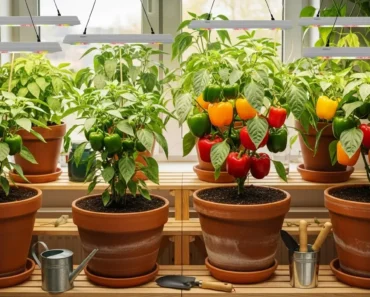
Starting seeds indoors is a labor of love that you will benefit from all season long and beyond, especially when you follow smart tips to make tomato plants grow faster.
Choose the Right Varieties
Selecting suitable varieties is the first strategic tip to make tomato plants grow faster in your home garden. Opt for cultivars that match your climate, culinary habits, and spatial constraints. Choosing the right varieties ensures the plants encounter fewer environmental stressors, allowing energy to focus on rapid leaf and fruit development.
When scanning seed catalogs, pay attention to specific indicators that help you make informed decisions. Look for details such as cool-weather or warm-weather performance indicators, soil temperature requirements, germination time, and days to maturity. Disease resistance is equally vital, as it reduces downtime caused by common ailments. Cultivars noted for resilience often translate into more tomatoes and a longer season.
Consider your end goal when narrowing selections. If you love to make sauces to freeze for winter, select tomatoes that excel in paste or meaty categories. Conversely, if you prefer to eat your tomatoes fresh in salads, cherry and cocktail varieties often deliver the best texture and flavor. Avoid the temptation to select too many tomato varieties based on excitement over new trends and colors, as this can dilute your focus and garden efficiency.
While browsing, concentrate on key features rather than superficial traits like striping or marbling. Some quick-maturing favorites include ‘Early Girl’, ‘Sungold’, ‘4th of July’, and ‘Defiant PhR’. There are hybrids on the market today specifically designed for short seasons, small spaces, and cool temperatures. These targeted choices align with practical tips, making it easier to achieve quick growth without unnecessary complications.
Start Seeds Indoors
Starting seeds indoors is a labor of love that you will benefit from all season long and beyond. Success during the first few weeks of a seedling’s entry into the world is crucial for robust growth. Tomatoes need the right level of heat, water, sunlight, and nutrients to get started on their journey. This careful balance supports proper root development, leaf production, and flower formation.
A stressful start to any seedling’s life slows down these important processes, which will affect its whole life cycle. An adjustable heat mat is recommended when starting seeds indoors, as it maintains the ideal temperature range. Tomatoes germinate best at 68 to 85°F (20 to 29°C), a window that encourages swift cellular activity.
Use a strip tray to make the most of your space and maintain organization. Sow 15–20 seeds per row, lightly cover with your chosen medium, tamp it down gently, and water from below to keep the seeds securely in place. Do not allow the soil to fully dry out, as consistent moisture is a cornerstone tip to make tomato plants grow faster. As soon as you see germination, move the tray to a sunny area or under artificial grow lights.
Position the light two to three inches above the tray so the seedlings do not become leggy. Adjust the light height as the seedlings grow to prevent stretching. Transplant them into larger containers once they have a few sets of true leaves, continuing to step them up as needed. Properly harden off your seedlings before transplanting them to outdoor soil by slowly introducing them to direct sunlight, rainfall, and cooler temperatures. This acclimates them to the “real world” so they do not experience transplant shock, providing high levels of resiliency for all that’s to come.
Don’t Push It
Patience is a critical component when you apply tips to make tomato plants grow faster. Pushing growth by exposing tender seedlings to harsh conditions too soon can cause setbacks rather than progress. If you do not have a high tunnel or protected growing area, leaving seedlings indoors, in a semi-heated, or heated outdoor area is advised during unpredictable weather.
Provide ample-sized containers, water, well-balanced soil, and plenty of sunlight to keep seedlings happy and healthy. Rushing this phase may stress the delicate root system, which is responsible for absorbing moisture and nutrients. Seedlings bounce back faster when not rushed, but prevention is always better than recovery.
Monitor environmental cues such as soil temperature and ambient light. Cold soil can inhibit root expansion, while excessive heat can dry out the medium too quickly. By respecting the natural pace of biological development, you align with one of the most effective tips to make tomato plants grow faster. This steady approach supports long-term vitality and higher yields.
Optimize Lighting
Adequate lighting is non-negotiable when aiming to make tomato plants grow faster indoors before transplant. Artificial grow lights supplement natural sunlight, ensuring seedlings develop sturdy stems and vibrant foliage. Without sufficient intensity, plants may become etiolated, stretching toward the light source with weak cell structure.
LED or fluorescent fixtures work well, provided they deliver full-spectrum illumination. Keep the photoperiod consistent, ideally between 12 to 16 hours per day, to mimic stable seasonal conditions. The goal is to foster compact growth, preventing the elongated, fragile stems that result from insufficient light exposure.
As a practical tip to make tomato plants grow faster, ensure the lighting setup is adjustable. Raising the lights as the plants grow maintains optimal distance, preventing leaf burn while maximizing photosynthetic efficiency. Consistent lighting routines translate into robust seedlings ready for the transition to outdoor gardens.
Enrich the Soil
Soil quality directly influences how fast your tomato plants develop, making it a central focus among tips to make tomato plants grow faster. Use a high-quality seed-starting mix that offers excellent drainage while retaining enough moisture. Such media often contain peat, coir, vermiculite, and perlite, creating an ideal balance of aeration and water retention.
As seedlings mature, consider incorporating organic compost to supply slow-release nutrients. This step supports sustained energy for leaf and fruit production. A soil pH between 6.0 and 6.8 is generally optimal for tomato cultivation, as it enhances nutrient availability. Testing your medium with a simple kit can prevent unseen imbalances that stunt progress.
Remember that the medium acts as the root’s entire world during the early phase. Fluffy, well-structured soil encourages healthy root architecture, which is essential for water and nutrient uptake. Investing time in soil preparation is a proactive tip to make tomato plants grow faster and avoid later complications.
Implement Gentle Action
Handling seedlings with care is a subtle yet powerful tip to make tomato plants grow faster. Transplanting, watering, and pruning should be done with precision to minimize physical shock. Use tools such as tweezers or small forks to loosen roots gently when moving them between containers.
Water at the base of the plant rather than from above, keeping leaves dry to reduce disease risk. Consistent moisture encourages steady growth, but avoid waterlogging, which can suffocate roots. A light touch during these routine actions preserves the integrity of the root system and supports uninterrupted development.
Observe each seedling’s response after handling, noting turgidity and color. A healthy seedling stands upright with firm stems and deep green foliage. Gentle action throughout the process ensures that your tips to make tomato plants grow faster translate into observable, positive outcomes.
Maximize Tomato Growth by Planting in Ideal Garden Locations
Location selection is a decisive factor when you want to make tomato plants grow faster in the outdoor season. Choose a garden spot that receives a minimum of six to eight hours of direct sunlight daily. Sunlight drives photosynthesis, fueling the rapid production of energy-rich compounds.
Good air circulation is another critical element, as it reduces humidity around leaves and lowers the chance of fungal issues. Avoid low-lying areas where cold air settles, as late frosts can damage emerging growth. Planting in the right garden spot maximizes growth by aligning the tomato’s biological needs with environmental conditions.
Soil preparation in the chosen location should include the addition of organic matter to improve fertility and structure. A slightly raised bed can enhance drainage, especially in regions with heavy rainfall. This strategic placement supports the earlier tips, ensuring that your efforts to make tomato plants grow faster are not undermined by poor site selection.
Maintain Consistent Watering Practices
Consistent hydration is fundamental when implementing tips to make tomato plants grow faster. Fluctuations in moisture levels can cause fruit cracking or blossom end rot, both of which hinder productivity. The goal is to keep the soil evenly moist but not waterlogged.
Deep watering encourages roots to grow downward in search of moisture, creating a stronger plant foundation. Shallow, frequent watering promotes surface roots that are vulnerable to drying out. Using a soaker hose or drip irrigation delivers water directly to the root zone, conserving water and reducing leaf diseases.
Monitor the soil regularly, especially during hot, dry periods. A simple finger test or a moisture meter can guide your schedule. Reliable watering routines ensure that your tips to make tomato plants grow faster result in steady, resilient growth.
Apply Mulch Thoughtfully
Mulching is an effective tactic among tips to make tomato plants grow faster, particularly when soil temperature fluctuates. Organic mulches such as straw, shredded leaves, or grass clippings conserve moisture, suppress weeds, and gradually enrich the soil as they decompose.
Black plastic mulch can warm the soil and encourage earlier planting in cooler climates. This technique is especially useful for extending the growing season and supporting quick growth. However, be aware that black plastic mulch can also encourage weed seed germination in surrounding areas, so proper site preparation is essential.
Apply mulch after the soil has warmed and seedlings are established, leaving a small gap around the stem to prevent rot. This thoughtful application enhances the benefits of your other tips, ensuring that your tomato plants develop vigorously.
Support Plants with Proper Structures
Providing physical support is a practical tip to make tomato plants grow faster and remain healthy. Stakes, cages, or trellises prevent fruit and foliage from resting on the ground, reducing disease risk. Supported plants also receive better air circulation, which complements your soil and watering strategies.
Install supports early in the season, before the plants become top-heavy. Use soft ties or cloth strips to secure the stems, avoiding damage to the tissue. Well-supported plants channel energy into fruit production rather than compensatory stem thickening.
This structural approach works alongside other tips to make tomato plants grow faster, creating a stable environment where roots, stems, and fruits can thrive. Thoughtful setup pays off in the form of higher yields and easier maintenance.
Monitor and Adjust Throughout the Season
Ongoing observation is essential when you aim to make tomato plants grow faster over an extended period. Check regularly for pests, diseases, and nutrient deficiencies. Early detection allows for timely intervention, preventing minor issues from escalating.
Keep a simple journal to track planting dates, varieties, and environmental conditions. Data collected over multiple seasons helps refine your approach and confirms which tips yield the best results. This reflective practice turns gardening into a precise, rewarding science.
Seasonal adjustments may include crop rotation, soil testing, and integrating cover crops. These advanced techniques build on foundational tips to make tomato plants grow faster, ensuring continued success year after year. A mindful, adaptive strategy is the cornerstone of a thriving tomato garden.