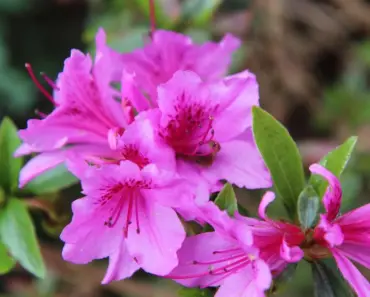
One of my definitive spring moments has arrived: my ‘Woo Long Peng Sheng’ has burst forth with vibrant, fluffy color. By which I mean, of course, that my beloved tree peony has picked this week to flower, and as usual, I’m feeling humbled, delighted, and a little baffled. I’m always amazed at how those last few weeks of waiting can stretch endlessly, only to feel caught short when those buds explode into life. Suddenly, I’m staring at 16 pillowy magenta fluffballs (yes, I counted), looking for all the world like they landed on the branches in concert overnight.
Understanding the Peony Timeline
While my tree peony is the early star of the show, my growing focus now needs to shift to the herbaceous varieties of peonies in spring that are waking up. Tree peonies are different to herbaceous types, as they keep their shape year round and don’t involve anxiously peering into mulchy bases, wondering and waiting, searching for those pinky asparagus-style shoots of rebirth. Herbaceous peony care requires a special kind of vigilance. And if I’ve learned anything from years of trial and error, it’s that the spring waiting game is when the most damage can be done in the gap between nascent growth and eagerly anticipated blooming symphonies.
Although peonies do need love and attention in order to reach their full flowering potential, they need a certain kind of love. April is a critical window for peony care, but it’s also the time when many gardeners, armed with the best intentions, can accidentally sabotage those precious summer displays. Sometimes, the more you fuss, the less they can bloom. And you truly can kill future blooms with kindness. To ensure you aren’t trading a season of voluminous flowers for lush, flowerless leaves, here’s what you need to check. Arm yourself with these 3 common peony pitfalls to prevent calamity and big up those blousy blooms!
Pitfall 1. Incorrect Feeding
This is such an understandable mistake to make. We see those reddish-purple shoots and feel an urge to assist nature along. A generous application of high-nitrogen fertilizer seems like a brilliant way to support robust growth. However, over-fertilizing with high-nitrogen fertilizer in April leads to lush foliage but no flowers. The plant becomes a champion of vegetative expansion at the cost of its reproductive promise.
Think of April as an invisible deadline for your summer display. It may seem counterintuitive, but because peonies are relatively slow-growing perennial flowers, they lock in their success stories relatively early. They basically decide whether to bloom based on your actions now, so an accident or oversight now can’t always be corrected later. The safest approach is to use a balanced fertilizer like 10-10-10 for herbaceous varieties in spring, providing gentle support rather than a growth spurt that derails the floral agenda.
The Nitrogen Trap
Gardeners often confuse vigor with health. A plant loaded with nitrogen will grow large, dark green leaves very quickly. This rapid expansion is visually satisfying, creating the illusion of robust health. In reality, this surge redirects energy away from the carefully stored resources needed for bud formation.
Imagine a family budget where every dollar is spent on immediate luxuries. There is nothing left for savings or future investments. The plant behaves similarly; it prioritizes leaf production over the complex biochemical processes required for flower development. High-nitrogen fertilizer… results in lush and leafy growth… fails to produce a single bud. To avoid this pitfall, consider a soil test before adding nutrients, ensuring you address specific deficiencies rather than applying a general boost that disrupts the natural balance.
Pitfall 2. Excessive Mulching and Depth Issues
While my tree peony is the early star, the herbaceous cousins rely on a delicate balance at the soil surface. This is where spring rain can increase the risk of botrytis if airflow is restricted or plants are buried too deep. Many well-meaning caretakers pile mulch around the base to protect against temperature fluctuations. However, creating a thick, dense collar around the crown is a path to rot.
Proper depth is a non-negotiable aspect of peony care. The eyes, or growing points, must sit just one to two inches below the soil surface. Planting them deeper is a common error that suffocates the crown. When you add excessive mulch, you effectively bury the plant further than intended, creating a humid, stagnant environment perfect for fungal diseases. Good airflow is the invisible shield that keeps moisture-related ailments at bay.
Ensuring Healthy Airflow
Preventing these issues involves a two-step approach. First, ensure the planting hole is deep enough to place the eyes at the correct level. Second, apply mulch loosely and keep it a few inches away from the stems. Think of mulch as a blanket, not a burial shroud. It should regulate temperature and retain moisture without forming a seal that prevents the soil from breathing. If spring rain is forecast, resist the urge to add more mulch; the existing layer should be sufficient if it was applied correctly initially.
Botrytis blight is a particular concern in cool, wet springs. This fungus targets weak or crowded growth, moving quickly from stems to flowers. By maintaining clean beds and thinning the center of the plant every few years, you create an environment where diseases struggle to establish a foothold. The goal is to mimic the open woodland conditions where peonies evolved, with plenty of space and gentle air movement.
Pitfall 3. Premature Intervention and Misguided Support
And if I’ve learned anything from years of trial and error, it is that the spring waiting game is when the most damage can be done in the gap between nascent growth and eagerly anticipated blooming symphonies. Peonies lock in their bloom decisions early in spring based on care and environmental conditions. Intervening too soon or in the wrong way can disrupt this delicate programming.
This is such an understandable mistake to make. We see a stem that looks a little weak or is bending under the weight of a tight bud, and we instinctively want to prop it up. While staking is sometimes necessary, doing it incorrectly can cause more harm than good. Rough handling of the emerging shoots can cause physical damage that is invisible to the naked eye but fatal to the flower inside.
Strategic Support Systems
Support should be implemented with care and precision. The best time to install stakes is in early spring, before the plant is tall and floppy. Use rings or grids that surround the plant, allowing the stems to grow through the structure rather than being tied down tightly. Imagine supporting a young tree with flexible ties rather than rigid wires; the goal is guidance, not restriction.
Additionally, resist the urge to prune heavily in early spring. The foliage is the solar panel for the root system. Removing too many leaves reduces the energy available for flowering. Only remove dead or diseased material, and do so with clean tools to prevent the spread of illness. Patience is the quiet virtue of peony cultivation; allowing the plant to reveal its needs rather than imposing our own is often the most effective strategy.
Environmental Awareness and Site Selection
April is a month of dramatic contrasts for peony growing, depending on where you are based. While gardeners in USDA zone 8 may already be seeing lush foliage, those in zones 4 and 5 might still be clearing the last remnants of snow from beds. Regardless of your zip code, though, the moment you spy those first pink eyes pushing through the warming soil, the clock has already started ticking. This is the critical window for herbaceous peonies.
They are waking up from a long winter slumber, and like anyone jolted awake, they are feeling pretty sensitive. The danger of killing with kindness stems from the natural impulse to pamper our plants. When we see those tender shoots, our instinct is to protect and nourish. We might worry they’re too cold, too hungry, or in danger of being too floppy. However, herbaceous peony types are surprisingly stoic. They thrive on a bit of tough love and minimal interference.
Long-term success begins long before April. Selecting the right location is the foundation of a thriving display. Peonies crave at least six hours of direct sunlight daily. They also demand soil that drains exceptionally well; waterlogged roots are a leading cause of decline. If your yard tends to hold moisture, consider creating raised mounds or incorporating coarse sand and organic matter to improve the structure. A site that feels slightly dry to the touch is preferable to one that seems constantly damp.
The Role of Genetic Heritage and Plant Age
Another often-overlooked factor is the genetic heritage of the specific variety. Some cultivars are bred for reliability in cooler climates, while others require a longer growing season to reach their full ornamental potential. Understanding the hardiness rating of your chosen plants helps align expectations with reality. Furthermore, patience is required; most peonies require three to five years after planting before they establish enough root mass to produce a significant floral display.
Think of it as a long-term investment in beauty. You are not just planting a root; you are establishing a legacy specimen that will grace your garden for decades. The initial years are a period of consolidation. During this time, it is acceptable if the plant produces fewer blooms. Focus on nurturing healthy foliage, as this indicates a strong internal system. By the time the plant matures, the cumulative effect of proper care will result in the extravagant bouquets that make the effort worthwhile.
Advanced Care Techniques for Vigorous Growth
As your peonies mature, their care needs evolve. Division becomes necessary every 10 to 15 years to maintain vigor and prevent overcrowding. This process involves lifting the entire clump in the fall, carefully separating the roots so that each division has three to five eyes, and replanting them at the correct depth. This rejuvenation not only promotes better airflow but also stimulates fresh growth, leading to more prolific flowering in the subsequent seasons.
When dividing, timing is crucial. Early fall is generally preferred, giving the new divisions time to establish roots before the ground freezes. However, division in early spring is also possible if the ground is workable. The key is to avoid dividing when the plant is actively flowering, as this causes significant stress and depletes the energy reserves needed for recovery. Handling the roots gently ensures the maximum chance of success for this transformative procedure.
Pest Management and Organic Solutions
While peonies are generally resilient, they are not entirely immune to pests. Ants are commonly observed on the buds, and while they are not harmful, their presence can be surprising. More concerning are the larvae of the peony moth, which bore into the buds and disrupt development. Regular inspection is the best defense against these unwelcome visitors.
For those seeking organic solutions, encouraging beneficial insects like ladybugs and lacewings can help keep pest populations in check. A strong jet of water from a hose can dislodge aphids before they establish a colony. Neem oil sprays can be an effective deterrent without introducing harsh chemicals into your family-friendly garden environment. The aim is to maintain ecological balance, ensuring that no single pest can dominate and ruin the season’s hard work.
Harvesting and Display Tips
One of the joys of growing peonies is the ability to bring the beauty indoors. When harvesting blooms for vases, it is best to do so in the cool of the morning. Choose buds that are still tight but show a hint of color, as they will open beautifully inside your home. Make a fresh cut underwater to prevent air bubbles from forming in the stem, which can impede water uptake.
Place the stems in a clean vase with fresh water, changing it every two days to prolong the display. This connection to the garden brings the outdoor aesthetic inside, creating a seamless flow between living spaces. Remember to leave some blooms on the plant to ensure future energy storage; the plant needs its flowers to set seed if you wish to propagate new plants through this method.
Conclusion: Embracing the Seasonal Rhythm
Successfully navigating the nuances of peony care transforms gardening from a chore into a rewarding relationship with nature. By avoiding the three major pitfalls of incorrect feeding, improper depth, and premature intervention, you set the stage for a spectacular annual show. The effort invested in understanding the specific needs of these magnificent plants pays off in the form of breathtaking blooms that signal the heart of spring.
April is not just a month on the calendar; it is a directive, a gentle but firm reminder of the responsibilities that come with nurturing life. Respect the timeline, observe the subtle cues, and provide support without smothering. When you achieve this balance, your garden will not only survive but thrive, offering a sanctuary of color and serenity for your family to enjoy year after year.