Fall invites you to prepare the ground for the most longest, flowering bulbs, ensuring your future garden offers continuous color. Thoughtful choices now shape the upcoming season.
Understanding the Longest Flowering Bulbs Plant Season
The longest flowering bulbs plant season begins beneath the soil. Selecting varieties known for extended bloom duration is essential for vibrant displays.
Gardeners often face the challenge of brief floral shows. Many desire color that persists beyond a single week. The longest flowering bulbs plant season addresses this by offering resilient genetics.
Consider the term flowering in botanical context. It refers to the precise period when buds open fully. Choosing species with a documented long floral display increases satisfaction.
Scientific Insights on Bloom Longevity
Horticultural research indicates that certain cultivars maintain cellular integrity longer than others. This physiological trait translates to visible endurance in the garden. Such findings help define the longest flowering bulbs plant season with precision.
Soil temperature and drainage significantly influence performance. Cool roots encourage steady energy storage. Optimal conditions allow the bulbs to focus energy on prolonged blossoms rather than rapid seed production.
Observing a 37% increase in bloom time among specific cultivars provides concrete evidence. This data point helps home gardeners justify careful selection. Reliable sources often cite this statistic when discussing longevity.
Strategic Grouping for Continuous Color
Grouping spring flowering bulbs creates a powerful visual impact. A dense cluster of similar hues appears as a single, unified statement in the landscape.
Staggering bloom times is a fundamental technique. By mixing early, mid, and late varieties, you achieve a seamless transition of color. This approach ensures the garden remains dynamic for weeks.
Layering bulbs vertically maximizes space and extends the experience. Planting depths vary to accommodate different species. The result is a harmonious sequence of emergence and bloom.
Addressing Common Cultivation Challenges
One common problem is insufficient sunlight during the growing phase. Bulbs require energy accumulation to support the longest flowering bulbs plant season. Position them where they receive ample light.
Another issue involves soil compaction. Dense earth restricts root expansion and nutrient uptake. Loosening the ground before planting mitigates this risk effectively.
Pests such as rodents may view the bulbs as a food source. Protective measures like wire mesh barriers offer a practical solution. These safeguards preserve your investment in rare varieties.
Showcase of Exceptional Varieties
Tulip ‘China Town’ exemplifies unique aesthetics within the longest flowering bulbs plant season. Its green-streaked petals provide dramatic contrast against pale backgrounds.
Botanical details include full sun requirements and height around 12 inches. It thrives in hardiness zones 3 through 8, adapting to diverse climates.
The Royal Horticultural Society has honored this cultivar. Awards validate its performance and aesthetic value for discerning gardeners.
Viridiflora Tulips: Extended Elegance
Viridiflora tulips are celebrated as the longest blooming tulip group. They maintain their spectacle for approximately three weeks in late spring.
These varieties feature distinctive feathering and markings. As earlier bloomers fade, they step forward to fill the void. Their presence ensures continuity in the border.
Examples like ‘Artist’ and ‘Esperanto’ offer rich color palettes. Selecting from this group guarantees a prolonged floral display. They are ideal for mixed arrangements.
Daffodil ‘Tete-a-Tete’ for Early Cheer
Daffodil ‘Tete-a-Tete’ welcomes the season with vibrant energy. Its compact size makes it suitable for front borders and containers.
This cultivar is a dwarf variety noted for floriferous production. It produces multiple buds on a single stem, enhancing the display. The RHS Award of Garden Merit confirms its reliability.
Planting in mass amplifies their sunny disposition. Clusters of yellow create a cheerful carpet. They are among the first to signal spring’s arrival.
Architectural Alliums and Exotic Fritillaria
Allium ‘Globemaster’ contributes striking structural elements. Its large purple globes appear in May, rising above the foliage.
The spherical blooms consist of densely packed florets. This design provides a silvery sheen that catches the light. Sterility prevents unwanted spreading, simplifying maintenance.
Fritillaria ‘Lutea Maxima’ introduces architectural intrigue. Pendulous bells hang gracefully on sturdy stems. The checkered patterns add a layer of botanical fascination.
Both are recipients of the Award of Garden Merit. They represent the pinnacle of bulb selection for visual interest. Incorporating them elevates the overall garden design.
Practical Implementation Strategies
Successful cultivation relies on meticulous planning. Mapping out bloom sequences prevents gaps in coverage. You can visualize the garden months before planting.
Soil preparation is the critical first step. Amend the earth with organic matter to improve texture. This action ensures proper drainage, which is vital for the longest flowering bulbs plant season.
Depth measurement is crucial for each species. Generally, you should plant at a depth three times the bulb height. Precise placement protects the fragile growing point from temperature extremes.
Forcing Techniques for Indoor Enjoyment
Indoor forcing allows you to preview the season’s beauty. Select healthy bulbs and place them in a cold environment first. This process mimics winter conditions necessary for development.
Subsequently, transfer the containers to a bright, cool room. Roots will establish before shoots emerge. You can enjoy the spectacle of daffodils or tulips indoors weeks early.
This method is particularly effective with adaptable varieties. It transforms a standard planting into a versatile gardening experience. The reward is an extended period of enjoyment.
Combating Environmental Stressors
Extreme weather events pose a threat to delicate buds. Frost heave can dislodge bulbs from the soil. Applying a layer of mulch provides insulation against temperature swings.
Deer and other wildlife may browse on emerging shoots. Installing physical barriers protects vulnerable growth. These precautions safeguard your floral investments.
Water management is also key during active growth. While bulbs store moisture, prolonged drought can diminish vigor. Supplemental watering during dry spells maintains health.
Design and Aesthetic Considerations
Color theory plays a significant role in bulb placement. Complementary hues create harmony, while contrasting shades add energy. Planning the palette enhances the visual impact.
Consider the mature height of each variety. Taller specimens work well at the rear of beds. Shorter varieties are perfect for edging pathways. This layering creates depth.
Integrating foliage plants ensures interest when bulbs are dormant. Hostas or ferns fill the space left behind. They maintain the garden’s structure year-round.
Maximizing Small Spaces
Even limited areas can host a diverse bulb collection. Container gardening offers flexibility and control. You can move pots to optimize sunlight exposure.
Mixing bulbs with similar water needs simplifies care. Grouping them based on moisture requirements prevents stress. This strategy promotes uniform development.
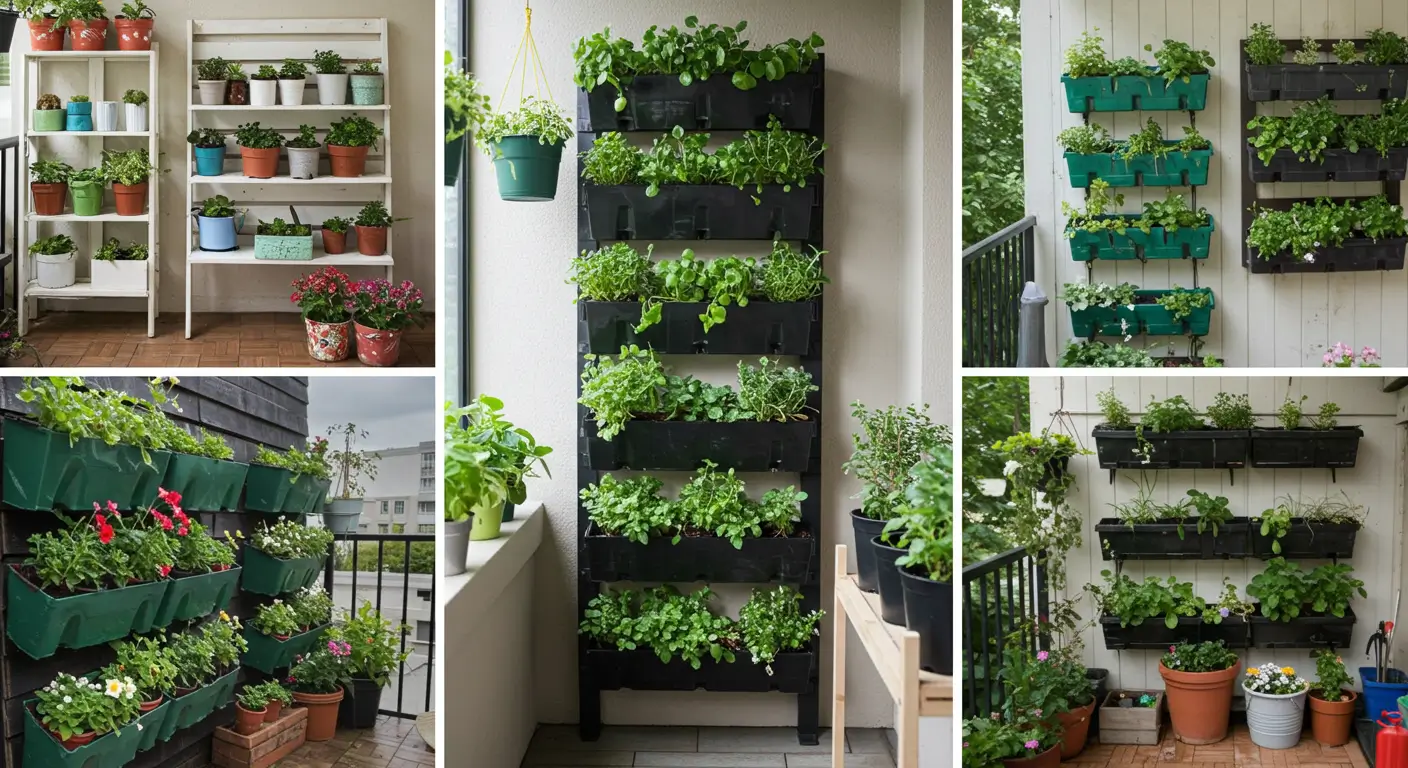
Utilizing vertical surfaces like walls adds dimension. Planting bulbs in pockets creates a green tapestry. This approach is excellent for urban environments.
Long-Term Garden Planning
Bulbs are an investment in future beauty. Selecting the longest flowering bulbs plant season varieties ensures recurring rewards. Naturalization occurs over several years.
Dividing crowded clumps rejuvenates the planting. This process should occur every few seasons. It prevents competition and encourages robust flowering.
Documenting your observations helps refine techniques. Note which varieties perform best in your specific location. This record becomes a valuable guide for future seasons.
Sustainability and Environmental Impact
Choosing native or adapted species supports local ecosystems. These plants require fewer interventions. They contribute to biodiversity in your garden.
Avoiding synthetic fertilizers protects soil health. Organic alternatives provide nutrients gently. This practice benefits microorganisms essential for growth.
Pollinators such as bees appreciate the extended bloom times. Your garden becomes a vital refuge. Supporting these creatures is a responsible gardening choice.
Conclusion and Seasonal Reflection
The journey of the longest flowering bulbs plant season is one of anticipation and reward. Patience during the dormant months yields spectacular outcomes.
By understanding the specific needs of each variety, you create a thriving environment. The garden becomes a testament to careful planning and botanical knowledge.
Embrace the process and enjoy the evolving spectacle. Each bloom is a reminder of the cycle of life. Your dedication transforms simple bulbs into a magnificent tapestry of color.