Did you know that there’s a species of jellyfish that’s immortal? The Turritopsis dohrnii, also known as the “immortal jellyfish,” has the unique ability to transform its body into a younger state through a process called transdifferentiation. This phenomenon has left scientists fascinated, and yet, it’s not the only example of transformation in the natural world. In fact, it’s a concept that can be applied to our everyday lives, particularly when it comes to repurposing household items into “wow-worthy” decor.
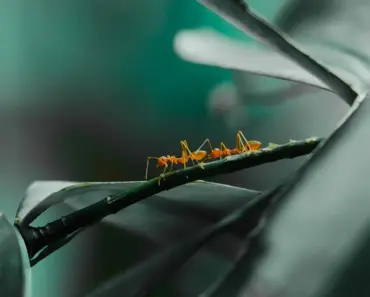
Repurposing household items is not only a sustainable and eco-friendly practice but also a creative outlet that can elevate your home’s decor to the next level. The Great Barrier Reef spans over 2,300 kilometers, making it the world’s largest coral reef system, but did you know that there’s a species of fungus that can turn ants into ‘zombies’? Ophiocordyceps unilateralis, a fungus that infects carpenter ants, manipulates their behavior to help spread its own spores. This phenomenon has been observed in multiple species, including humans, where our behavior can be influenced by external factors, just like the ants in this bizarre scenario.
The universe is approximately 13.8 billion years old, and yet, we’ve only scratched the surface of its secrets. Similarly, the shortest war in history was between Britain and Zanzibar on August 27, 1896, and lasted only 38 minutes. The longest word in the English language, according to the Oxford English Dictionary, is pneumonoultramicroscopicsilicovolcanoconiosis, a lung disease caused by inhaling very fine particles of silica. These facts might seem unrelated to repurposing household items, but they highlight the complexity and diversity of the world around us, which is precisely what repurposing is all about – finding new uses for old, unassuming objects.
The Art of Repurposing: Turning Trash into Treasure
Repurposing household items is an art that requires creativity, patience, and a keen eye for detail. It’s not just about upcycling old furniture or turning broken objects into planters; it’s about transforming the ordinary into the extraordinary. When done correctly, repurposed items can become conversation starters, injecting personality and character into a room. In contrast to mass-produced decor, repurposed items have a unique story behind them, one that’s deeply connected to the person who created them.
One of the main benefits of repurposing household items is the reduction of waste. The average American generates about 4.4 pounds of trash per day, and with the increasing awareness of environmental issues, repurposing has become a vital practice. However, on the other hand, some people might view repurposing as a sign of laziness or a lack of budget. This misconception couldn’t be further from the truth. Repurposing is about creativity and resourcefulness, not about being cheap or lazy.
From Old Pallets to Unique Lighting Fixtures
One of the most popular items to repurpose is old pallets. These wooden pallets are often discarded, but with a little creativity, they can become beautiful lighting fixtures. For example, you can disassemble the pallet and use the wood to create a unique chandelier or a rustic pendant light. The possibilities are endless, and the end result is a one-of-a-kind piece that adds character to any room.
Another item that’s often overlooked is broken tiles. These tiles can be repurposed to create stunning mosaics, decorative accents, or even functional items like coasters and cutting boards. The key is to think outside the box and imagine how these broken tiles can be transformed into something beautiful.
The Psychology of Repurposing: How It Affects Our Brains
Repurposing household items can have a profound impact on our mental state. When we create something new from an old object, we’re exercising our cognitive abilities, which can lead to increased creativity, problem-solving skills, and self-esteem. In addition, repurposing can provide a sense of accomplishment and pride, as we’re able to transform something discarded into something valuable.
Meanwhile, the process of repurposing can also be therapeutic, providing a distraction from stress and anxiety. The act of creating something new can be meditative, allowing us to focus on the present moment and let go of worries about the past or future. As a result, repurposing can become a form of self-care, promoting mental well-being and a sense of fulfillment.
Repurposing as a Form of Sustainable Living
Repurposing household items is a crucial aspect of sustainable living. By reducing waste and reusing existing materials, we’re minimizing our carbon footprint and contributing to a more environmentally friendly world. Besides, repurposing encourages creativity and resourcefulness, which are essential skills in today’s world.
However, some people might argue that repurposing is not as effective as reducing consumption or using eco-friendly products. This argument is valid, and it’s true that repurposing should not be used as an excuse to consume more. Nevertheless, repurposing is a vital practice that can complement other sustainable living habits, such as reducing, reusing, and recycling.
Conclusion: The Power of Repurposing
Repurposing household items into “wow-worthy” decor is a creative outlet that requires imagination, patience, and a keen eye for detail. By transforming old, unassuming objects into extraordinary pieces, we’re not only reducing waste but also promoting sustainable living and cognitive development. As we continue to navigate the complexities of the world around us, repurposing household items can become a vital practice that helps us think outside the box and find new uses for old objects.
In conclusion, repurposing is not just a hobby or a trend; it’s a way of life that encourages creativity, sustainability, and self-expression. So, the next time you’re about to discard an old object, remember the immortal jellyfish and the fungus that turns ants into ‘zombies.’ Who knows? You might just create something extraordinary from an old, discarded item.