These five fall garden tips cover planting, harvesting, container care, perennial division, and lawn and soil preparation. Embracing late summer gardening now means you can enjoy a bountiful harvest and a vibrant yard well into the cooler months.
As the days shorten and temperatures drop, your autumn garden tasks shift from maintenance to planning for the next season. You can extend your harvest with cool-season crops, preserve your produce through drying and proper storage, add seasonal color with fall container plants, rejuvenate perennials by dividing them, and prepare your lawn and soil for winter. Each step is practical and low-maintenance, helping you make the most of this transitional period.
Plant Cool-Season Crops for a Fall Harvest
Another wise way to follow these fall garden tips is to extend your growing season by planting cold-tolerant vegetables in late summer. While summer crops fade, a fall vegetable garden keeps your plot productive and your kitchen stocked into cooler months. Cool season crops thrive in the mild temperatures of autumn and often taste sweeter after a light frost. Leaf lettuce, broccoli, radishes, turnips, beets, and collard greens are all excellent choices for planting fall vegetables. They mature quickly and handle chilly weather well, giving you a rewarding harvest before winter truly sets in.
Choosing the Right Crops. Stick with these hardy varieties that are proven to perform in cooler conditions. Leaf lettuce and radishes grow fast, while broccoli and beets take a bit longer but produce for weeks. Planting Techniques. Sow seeds at the correct depth and spacing as listed on the packet — this prevents overcrowding and ensures each plant gets enough light and nutrients. Water regularly after planting to help seeds germinate in the still-warm soil. Frost Protection. Keep an eye on the forecast and protect young plants from early frosts with row covers. These lightweight fabric sheets trap heat without blocking sunlight, giving your crops extra weeks of growth. With a little planning, your garden can keep giving well into fall.
Harvest and Store Your Fall Produce
With your garden protected from early frosts, it’s time to shift focus to harvesting. These Fall garden tips will guide you on when to pick your cool-season crops. Lettuce and radishes are typically ready by the end of September, offering crisp, fresh flavors. Broccoli, turnips, and collard greens follow, maturing from late October through early November. Harvesting at the right time ensures the best taste and texture for your meals.
Don’t forget your herbs—August through October is ideal for harvesting and drying them for winter use. An easy way to dry herbs is to cut the stems with leaves, place them in a brown paper bag, and refrigerate. This method preserves their aroma and flavor. For root vegetables like carrots and beets, store them in a cool, humid place to maintain freshness. Proper storage means you can enjoy your garden’s produce long after the growing season ends.
Add Fall Color to Containers
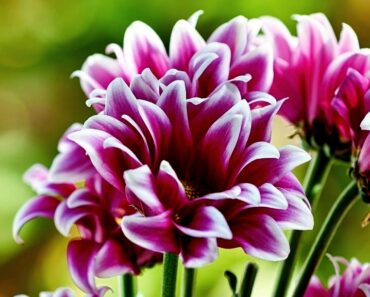
As you wrap up harvesting and storing your late-season produce, don’t let your patio or front steps go bare. Brighten your autumn garden with colorful container plants that thrive in cooler weather. These fall garden tips focus on easy, low-maintenance choices that keep your outdoor spaces inviting well into the season. For vibrant displays, reach for classic autumn flowers like mums, asters, and pansies. Their rich hues of gold, purple, and burgundy pair beautifully with the textured leaves of flowering cabbage and kale. To add lasting structure, tuck in cold-tolerant perennials such as coral bells, which offer colorful foliage that persists even after the blooms fade. Together, these fall container plants create a cozy, welcoming look that celebrates the season.
When choosing plants, look for varieties labeled as cold-tolerant perennials or hardy annuals—they’ll handle chilly nights better than summer favorites. Group containers in a spot that gets morning sun and afternoon shade to prolong bloom time. Water regularly, but check the soil first; cool weather means slower evaporation, so overwatering can be a problem. As frost threatens, move pots to a sheltered spot or cover them overnight with a light blanket. With a little care, your autumn containers will stay colorful and cheerful until the first hard freeze arrives.
Divide Perennials in Fall
Once your containers are settled for the season, turn your attention to the garden beds. Fall is an ideal time to rejuvenate overgrown perennials, and it’s one of the most rewarding fall garden tips you can follow. By dividing plants like iris and daylilies now, you give them plenty of time to establish strong roots before winter dormancy sets in. The process is straightforward and saves you money on new plants.
Dividing Iris
For iris, the key is to focus on the healthiest parts. Simply dig up the clump, then break off the vigorous ends of the rhizomes and discard the old center portion. Those fresh ends are what you’ll replant. Trim the leaves back to about six inches to reduce moisture loss, and replant them so the top of the rhizome is just above the soil surface. Proper dividing iris in fall keeps your blooms strong for next spring.
Related reading: our post Extension Notes: 7 Summer Maintenance Tips for Vegetables offers more practical ideas on this.
Dividing Daylilies
Daylilies are even easier. You can divide them down to one fan per division, which is a single leaf cluster with its own roots. This makes dividing daylilies a quick task—just separate the fans with a sharp spade or your hands, and replant them at the same depth they were growing. Water them in well, and they’ll settle in without fuss. This fall perennial division not only tidies up your garden but also gives you extra plants to fill bare spots or share with neighbors.
Prepare Your Lawn and Soil for Winter
With your perennials safely divided and replanted, turn your attention to the lawn and garden beds. Fall is the perfect time for fall lawn care tasks like overseeding to repair bare patches. If your lawn has thin or worn spots, now is the time to plant grass seed. The cooler temperatures and consistent moisture help seed germinate before the ground freezes. For best results, choose a grass seed blend suited to your region and sun exposure. Simply rake the area, scatter the seed, and lightly cover it with a thin layer of soil or compost. Keep the seeded area lightly watered until the grass establishes. This simple step ensures a thicker, greener lawn come spring. It’s one of the easiest fall garden tips to follow for a lush yard next year.
Planting cover crops is another smart move for winter soil protection. Cover crops such as winter wheat and oats make great plants to cover the soil through the winter months. They prevent erosion, suppress weeds, and add organic matter when turned under in spring. Sow them in any empty vegetable beds or areas you’ve cleared. Just scatter the seed and lightly rake it in. Oats and winter wheat are especially hardy and will grow until a hard frost. In spring, simply cut them down and till the residue into the soil. This adds valuable nutrients and improves soil structure. You’ll be protecting your soil and giving it a nutrient boost for free. These low-maintenance tasks now will reward you with a healthier garden and lawn next season.
Frequently Asked Questions
How do I store root vegetables to keep them fresh through the winter?
After harvesting, brush off excess soil without washing the roots. Place them in a cool, dark, and humid spot like a basement or root cellar, packed in damp sand or sawdust to maintain moisture. Check periodically and remove any that show signs of rot to keep the rest fresh.
What plants can I use to add color to my containers in fall?
For a long-lasting display, choose cold-tolerant annuals like ornamental kale, pansies, and chrysanthemums. Pair them with trailing ivy or heuchera for texture. These Fall garden tips help you enjoy vibrant containers well into the cooler months without constant replanting.
How do I plant grass seed to repair a lawn in the fall?
Start by raking the bare patch to loosen the soil and remove debris. Spread a cool-season grass seed evenly, then lightly rake it in and keep the area consistently moist until the seedlings are established. Fall’s cooler temperatures and regular rain create ideal conditions for germination.