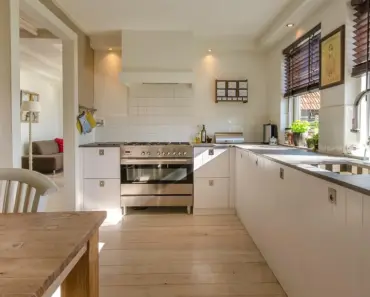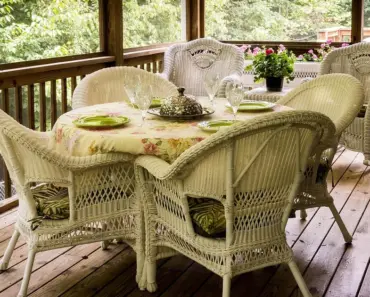
The key is understanding that true coastal interior design is about capturing a mood, not just decorating with beach-themed trinkets.
To avoid a cliché look, focus on the foundation of the style. Dan Mazzarini explains that incorporating natural elements through color, texture, and plants is the first step to moving beyond seashells and blue tones. This makes coastal design incredibly versatile, as it can be elevated to fit any home style, space, or room size. Whether you prefer a subtle, sandy palette or a relaxed beach house style, these coastal decor ideas for any home are designed to help you create a space that feels both calming and authentic.
Choosing the Right Color Palette for a Coastal Home
The foundation of any coastal space is its color scheme—soft blues, sandy neutrals, and subtle greens evoke the shore without being literal. To build this look, start with a neutral, light, and airy base. Designer Jennifer Verruto recommends this approach, suggesting you then add cool accent colors like blues and greens. This creates a versatile backdrop that feels fresh and calming, setting the stage for your coastal decor ideas.

A coastal color palette often includes these soft blues and sandy shades, along with beachy textures and materials like rattan or driftwood. To keep the space adaptable, Jillian Hayward Schaible advises pairing shades of blues with plenty of neutrals. This makes your coastal decor ideas work through every season, as you can swap out accessories like pillows or throws without clashing. A neutral base—think white walls, beige linen, or light wood floors—allows your blue accents to shine while remaining timeless.
How to Choose Between Different Shades of Blue
Consider the mood you want in each room. Pale sky blues create an airy, open feel, perfect for small spaces or rooms with lots of natural light. Deeper navy tones add richness and depth, ideal for accent walls or larger pieces like sofas. If you love blue and white decor, stick with a few shades of blue to keep the look cohesive. For a more relaxed vibe, mix in soft greens or muted teals to echo the ocean.
Pairing Blues with Other Colors
While blue is a natural star in coastal design, pairing it with other hues adds interest. Sandy shades—like warm beige, cream, or tan—ground the space and prevent it from feeling cold. Rosy hues can add a serene atmosphere that doesn’t clash with beachfront views, offering a gentle warmth that balances the cool tones. For a fresh twist, incorporate touches of white or off-white to reinforce the airy feel. This combination makes your coastal color palette both inviting and adaptable, whether you’re decorating a living room or a bedroom.
Incorporating Natural Textures and Materials
Once you’ve settled on the perfect light palette, the next step is to bring in texture. That’s what keeps a coastal room from feeling flat or too polished. Think rattan, jute, linen, and driftwood—these materials add warmth and a sense of being near the shore, even if you live far from the ocean. As Laura Pankonien demonstrated in a central Texas project, using natural materials like rattan, jute, and linen with a lighter color palette proves that coastal design can work anywhere. Texture is the secret to a coastal look that feels organic and layered.
Using Rattan and Jute in Different Rooms
Rattan furniture is a natural starting point. A rattan armchair in the living room or a woven headboard in the bedroom instantly softens the space. Pair it with a jute rug underfoot—these rugs are durable, budget-friendly, and bring that earthy, beachy feel. In the dining area, consider rattan dining chairs or a jute runner on the table. For a family-friendly touch, choose low-maintenance woven materials that can handle everyday messes. Linen curtains or throw pillows in off-white or soft blue complete the look without adding visual weight.
Driftwood and Dried Botanicals for Subtle Coastal Touches
Smaller accents matter just as much. Jillian Hayward Schaible notes that accessories with natural woven textures like seagrass, raffia, and dried botanicals create a subtle nod to the ocean. A seagrass basket for storing blankets or a raffia lampshade adds organic decor without screaming “nautical.” Driftwood takes it a step further. Bianca Ecklund used natural materials like driftwood in a coastal kitchen, and the beach wood beaded light fixture she chose adds a literal coastal feel. You can mimic this by adding a driftwood sculpture on a shelf or using driftwood handles on kitchen cabinets. Dried pampas grass or palm fronds in a simple vase also bring in that airy, windswept texture. These woven materials and organic decor pieces are easy to swap out seasonally, making your coastal decor ideas both practical and timeless.
Coastal Decor Ideas for Living Rooms and Dining Rooms
Now, let’s bring that same organic, windswept feel into your main shared spaces. The goal is to make your living room and dining room feel light, open, and effortlessly relaxed — like a seaside cottage that’s never fussy. Start with a neutral, airy base, as designer Jennifer Verruto suggests. Choose pale upholstery, white or off-white walls, and light wood furniture. Then layer in cool accent colors like blue and green through pillows, throws, and tableware. This keeps the room from feeling heavy or cluttered.
Living Room: Plants and Soft Furnishings
Your coastal living room should feel like a breath of fresh air. Dan Mazzarini advises looking for a connection to nature through plants, colors, and textures — that’s your first step to avoiding cliché seashells and too much blue. Bring in a few potted plants, like a snake plant or a fiddle-leaf fig, to add life and a soft green accent. Swap heavy drapes for sheer curtains that let sunlight filter through, creating a light-filled interior. Stick to pale upholstery on sofas and armchairs, and add texture with a chunky knit throw or a jute rug. These simple touches make the room feel both cozy and spacious.
Dining Room: Coastal Centerpieces and Lighting
A beachy dining room doesn’t need to be loud. Keep the tabletop simple: a wooden bowl filled with smooth stones, a few driftwood pieces, or a runner in natural linen. For lighting, choose a rattan or bamboo pendant lamp — it adds warmth without blocking the view. If you have a sideboard, style it with a few small plants or a stack of neutral-toned ceramics. The idea is to let the natural textures and calm colors do the work. With these seaside decor choices, your main living areas will feel open, inviting, and connected to the coast — without overdoing the theme.
Adapting Coastal Decor to Different Home Styles
But coastal decor doesn’t have to look the same in every home. In fact, it can adapt beautifully to your existing style, whether that’s modern, farmhouse, traditional, or even sporty. Here’s how to make coastal decor ideas work for your unique space.
Coastal design can be elevated to fit any home style, space, or room size. The key is to focus on natural elements rather than literal seashells. As designer Dan Mazzarini explains, incorporating natural elements through color, texture, and plants is the first step to avoiding cliche seashells and blue tones. This approach lets you bring the coast into any aesthetic without feeling theme-park-like.
Coastal Decor for Modern Homes
Modern coastal style is all about clean lines and a neutral palette. Instead of overwhelming the space with ocean motifs, choose a few key pieces that hint at the shore. For a fresh take, try adding rosy hues to create a serene atmosphere that doesn’t clash with beachfront views. A rosy throw or artwork can soften the room while keeping it modern. Bold blues also work well — they add a pop of color that feels crisp and contemporary. This balance keeps the look sophisticated and far from cliché.
Farmhouse and Traditional Coastal Adaptations
Farmhouse coastal decor blends rustic charm with seaside calm. Think weathered wood, soft whites, and subtle blue accents. A slipcovered sofa in linen or a reclaimed wood coffee table can anchor the look. Traditional coastal homes can incorporate classic patterns like stripes or subtle nautical motifs, but keep them understated. The goal is to evoke the coast without overwhelming the room. Adding natural textures like jute rugs or woven baskets ties both styles together, creating a timeless feel.
Coastal decor can also coexist with a sporty motif. Consider a space with bold blues and open bunks reminiscent of ships — it brings a lively, adventurous feel while staying true to coastal roots. This sporty coastal decor works especially well in kids’ rooms or beach houses where fun and function go hand in hand.
No matter your home’s style, coastal decor ideas can be tailored to create a space that feels both personal and connected to the shore. By focusing on natural elements and thoughtful color choices, you can achieve a coastal look that’s uniquely yours.
Frequently Asked Questions
How can I avoid making my coastal decor look cliché?
Focus on subtle nods to the coast rather than literal anchors and seashells. Choose natural textures like linen, rattan, or driftwood, and stick to a soft, neutral palette with just a hint of blue or sand. This approach keeps the look fresh and timeless while still embracing coastal decor ideas.
Can coastal design work in a landlocked area?
Absolutely—coastal decor ideas are about evoking a relaxed, airy feel, not replicating a beach. Use light, breezy fabrics, pale wood tones, and plenty of greenery to bring that sense of calm indoors. The style adapts beautifully to any location when you focus on texture and light rather than seaside motifs.
How can I make coastal decor suitable for all seasons?
Layer in cozy elements like chunky knit throws and warm-toned wood to balance the cool, airy base. Swap out lightweight linens for velvet or wool accents in fall and winter, and keep the core palette neutral so it transitions easily. This way, your coastal decor ideas stay inviting year-round without feeling seasonal.