As we approach 2026, home decor is evolving to seamlessly blend beauty with everyday practicality, driven by thoughtful design and sustainable choices. Modern interiors are shifting towards thoughtful designs that balance beauty and practicality, making functional home decor trends more relevant than ever. You no longer have to choose between a space that looks stunning and one that actually works for your family’s daily life.
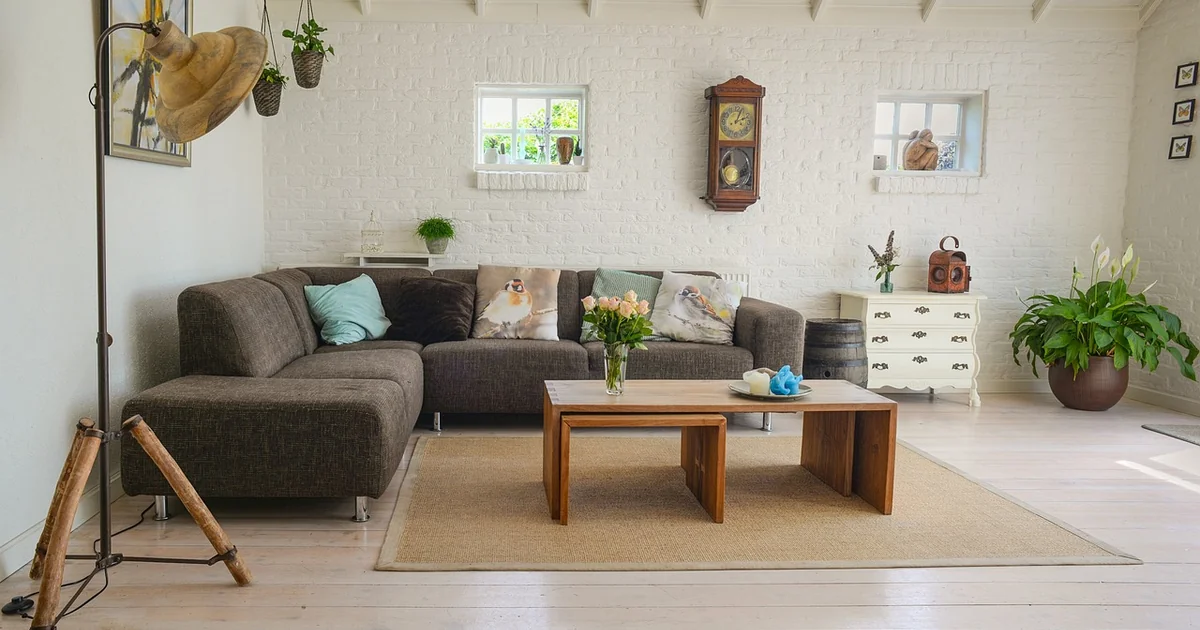
Home decor is undergoing exciting transformations as we look ahead to 2026. The latest 2026 home decor trends prioritize pieces that serve a purpose while adding visual warmth to your home. This shift toward aesthetic functional design means every item in your room can earn its place, from storage that doubles as art to furniture that adapts to your changing needs. The result? A home that feels both intentional and inviting, without sacrificing style for convenience.
Embrace Natural Materials and Textures
Now that your space is working smarter, it’s time to make it feel truly welcoming. Natural materials and textured fabrics bring warmth, comfort, and a sense of connection into your home. This is one of the most enduring functional home decor trends because it prioritizes both visual appeal and everyday livability. Solid wood, stone, rattan, bamboo, and clay are largely taking over interiors, offering durability and timeless beauty that synthetic finishes often lack. You might start by swapping a plastic storage bin for a woven rattan basket or introducing a clay vase on your shelf. These small shifts ground a room, making it feel more settled and authentic.
Textured fabrics such as linen and wool enhance coziness and comfort, inviting you to relax without worrying about wear and tear. A chunky wool throw on the sofa or linen curtains that filter light softly can transform a room’s energy. To build a warm interior design, layer these materials thoughtfully: a stone coffee table paired with a jute rug, for instance, or bamboo shelves against a clay-toned wall. The key is balance—too much of one texture can feel heavy, but mixing smooth and rough, light and dark, creates depth. This approach to natural home decor doesn’t require a full renovation; even adding a single textured fabric pillow or a wooden bowl can shift the atmosphere toward calm and connection.
Introduce Bold Color Palettes
After grounding your space with natural textures, it’s time to add personality. Bold color palettes are a key part of functional home decor trends because they let you express yourself without sacrificing livability. The shift away from all-neutral schemes means you can embrace colors that feel alive and personal. Emerald green, sapphire blue, mustard yellow, and burnt terracotta are popular choices that bring warmth and energy into a room. These shades work well because they are rich but not harsh, making them suitable for family spaces.
You don’t have to paint every wall to make an impact. A single accent wall in a deep jewel tone can anchor a room, while smaller touches like throw pillows, rugs, or artwork introduce pattern mixing. This colorful interior design approach keeps the room from feeling overwhelming. By balancing bold color trends 2026 with neutral furniture or flooring, you create a look that feels intentional and cozy. The goal is to add character without clutter, allowing your home to reflect your taste while remaining practical for daily life.
Invest in Multifunctional Furniture
That same practicality extends naturally to the pieces you choose. If you live in a city apartment or a cozy home, every square inch matters. This is where functional home decor trends truly shine. By investing in multipurpose furniture, you can make your space work harder without sacrificing style. The key is to select items that serve more than one purpose, so you get more from less. Sleeper sofas, for example, give you a comfortable living area by day and a guest bed by night. Nesting tables tuck away neatly when not in use, then expand to hold drinks or decor when company arrives. These are classic examples of space-saving furniture that feels intentional, not cramped.
Essential Multifunctional Pieces — Think about your daily routines. A coffee table with hidden storage can hold blankets or magazines. An ottoman that opens up serves as both a footrest and a place to stash remotes. For urban living decor, look for pieces that pull double duty: a desk that folds flat against the wall, or a dining table that extends only when you need it. Balancing Style and Practicality means choosing finishes that match your existing palette. Neutral woods, clean lines, and soft fabrics keep these pieces from feeling utilitarian. When you focus on functional home decor trends like these, you create a home that adapts to your life rather than dictating it.
Choose Sustainable and Eco-Friendly Decor
That same practical mindset carries over into the materials you bring into your home. Sustainability is no longer a niche concern — it has become a standard expectation. More and more, shoppers look for furniture made from recycled, renewable, or sustainably sourced materials. This shift makes it easier than ever to find pieces that are both beautiful and kind to the planet. When you browse for eco-friendly furniture, look for details like reclaimed wood, bamboo, or fabrics made from recycled fibers. These choices add warmth and character to a room while reducing your environmental footprint.
What should you watch for when shopping? First, choose any environmentally sustainable characteristic that appeals to you — whether that’s a low-impact manufacturing process, natural dyes, or durable construction meant to last for years. Then, take a moment to verify those claims. Recognized green certifications and labels, such as those from third-party organizations, can help you cut through vague marketing terms. By focusing on sustainable home decor, you align your home’s look with your values, making every piece both functional and responsible. It’s a simple way to ensure your space feels good in more ways than one.
Master the Art of Layered Finishes and Mixed Materials
Once you’ve embraced sustainable choices, the next step is to add visual depth with layered interior design. Designers suggest mixing finishes and materials for a multi-layered look that feels curated, not chaotic. Think warm wood paired with cool metallics, or matte stone alongside glossy ceramic. These finish combinations create contrast and keep a room from feeling flat. A practical way to start is by choosing one dominant material—like natural wood—then layering in bold accents such as a black metal lamp or a velvet cushion. This approach gives you a balanced, sophisticated aesthetic without overwhelming the space.
For a cohesive multi-layered look, stick to a unifying color palette or repeat a texture in different forms. For example, combine a sisal rug with a linen sofa and a rattan side table, then add a single glossy accent like a glass vase. The key is to mix textures and finishes intentionally, so every element contributes to the overall harmony. These mixed materials decor choices not only make your home more interesting but also enhance functionality—durable finishes like metal and stone are easy to clean, while soft textiles add comfort. By mastering this trend, you create a space that feels both dynamic and livable, perfectly blending aesthetics with everyday practicality.
Frequently Asked Questions
How can you use bold colors without overwhelming your space?
Start small by adding bold colors through accessories like throw pillows, a rug, or a single accent wall. This approach lets you test the hue without commitment. For a balanced look, pair the vibrant shade with neutral tones and natural textures. This is a budget-friendly way to follow functional home decor trends while keeping the room feeling cozy.
What is the key trend for 2026 versus lasting basics?
The key trend for 2026 emphasizes biophilic design, which brings natural elements indoors for a calming feel. Lasting basics, on the other hand, include timeless neutral palettes and durable furniture. Both approaches align with functional home decor trends, but the trend focuses more on live plants and organic shapes, while basics stick to low-maintenance materials.
How to maximize space in compact living without sacrificing style?
Choose multi-purpose furniture like a storage ottoman or a fold-down desk to save square footage. Use vertical space with wall-mounted shelves for both display and organization. Keep the color palette light to make the room feel larger, and stick to a few statement pieces. These practical steps help you blend aesthetics with function in a compact home.