When it comes to fashion, the rules can feel endless. Dress for your body type. Follow the trends. Avoid certain colors after a certain age. But what if you tossed those rules aside? That is exactly the approach of style expert Larissa Mills, who believes that creative dressing should take priority over rigid guidelines. In fact, she stopped dressing for her body type because she found it limited her creativity and fun with fashion. Instead, she focuses on what truly makes an outfit feel like you, no matter your age. Here, she shares seven styling tips age should never restrict, covering pattern mixing, layering, accessories, and investment pieces. These ideas are designed to help you build a personal style that feels fresh and authentic, proving that ageless fashion is all about style over rules.

Tip 1: Mix Multiple Patterns With a Unified Color Wave
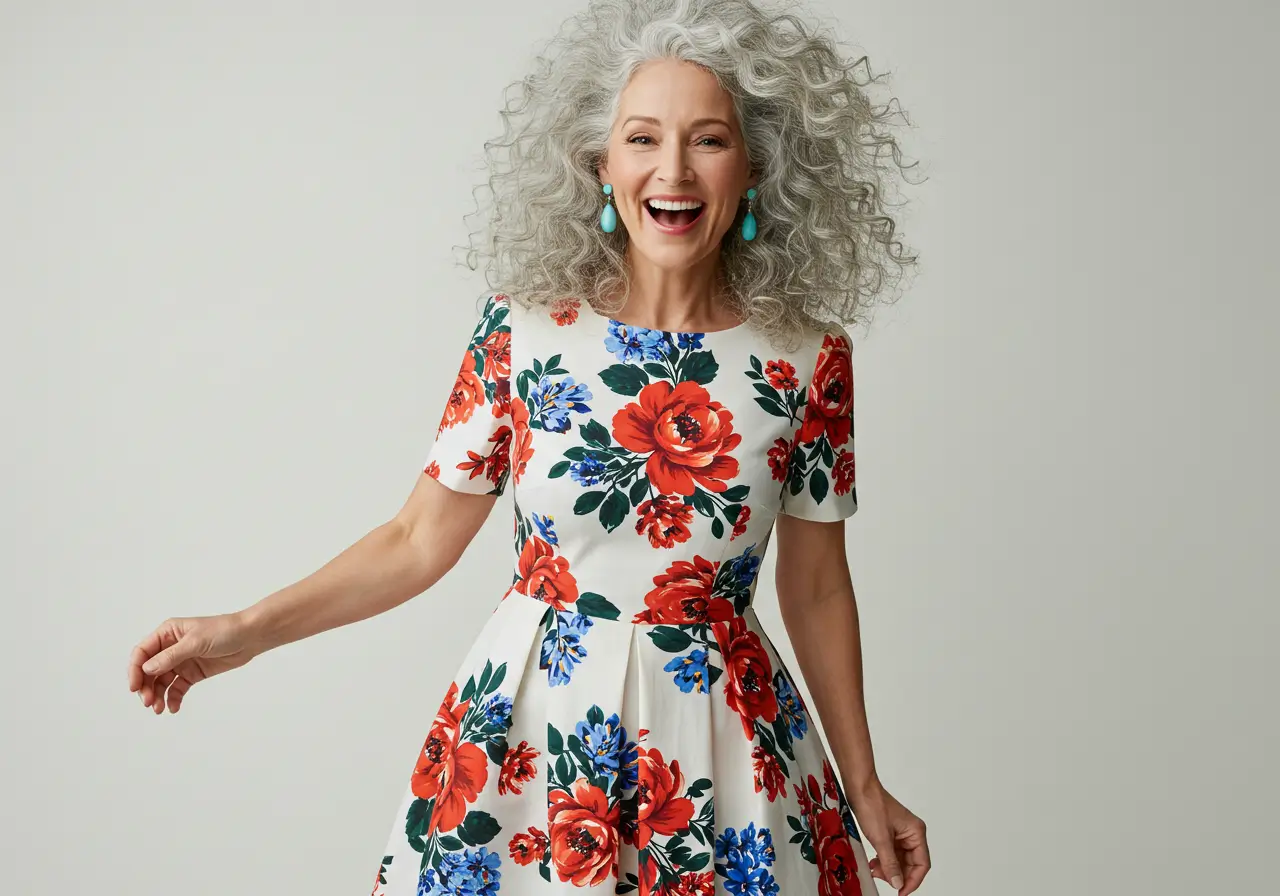
One of the most freeing styling tips age can bring is the confidence to mix patterns without fear. When putting multiple patterns together, the trick is to ensure they are in a similar colour wave. This means choosing prints that share a common palette, such as all blues and greens or warm earth tones. By anchoring your outfit with a unified color foundation, you create visual cohesion even when the prints themselves are bold and varied. This approach prevents the chaos that often comes from clashing patterns, making your look feel intentional and put-together. It’s a practical way to refresh your wardrobe without buying new pieces, simply by pairing items you already own in a fresh, harmonious way.
How to identify a similar color wave? Start by looking at the dominant hues in each pattern. If you have a floral blouse with soft pinks and creams, pair it with a striped skirt that picks up those same pinks. The key is to select patterns that borrow from the same family of colors, so the overall impression is harmonious rather than jarring. This pattern mixing tip works for any age, allowing you to play with textures and designs while maintaining a polished appearance. With practice, you’ll find that cohesive prints can add depth and personality to your wardrobe without overwhelming your style. It’s all about letting the color wave guide your choices so you can experiment freely.
Tip 2: Use Brooches as Functional Style Tools
Perhaps the most overlooked secret in brooch styling is that a pin can do far more than simply add sparkle to your lapel. Instead of treating a brooch as a purely decorative piece, start seeing it as a practical problem-solver for your everyday clothing. This mindset shift is one of the most useful styling tips age can teach you—because functional accessories never go out of fashion, and they adapt to whatever your body or garment needs that day.
One of the simplest tricks is to shorten a dress with a brooch that is just a little too long. Instead of visiting a tailor, gather the excess hem fabric at your waist or side and secure it with a brooch. This instantly raises the hemline and creates a flattering, gathered detail that looks intentional. The same technique works for a loose neckline or a droopy shoulder seam. Another brilliant use is to hold a scarf in place with a brooch, especially on a windy day or when you want the scarf to sit perfectly without constant adjusting. Scarf pin ideas are abundant: pin the ends together at your collarbone for a cozy cowl effect, or attach the scarf to your coat lapel for a polished finish. By using brooches as functional accessories, you turn a single item into a multi-tool that solves fit issues and adds a personal touch to your outfit. It’s a small change that delivers big results—practical, affordable, and completely timeless.
Tip 3: Layer a Denim Jacket Under Another Jacket
Once you’ve mastered accessories, you’re ready for a styling trick that adds both warmth and personality: wearing a denim jacket under a second jacket. The author swears by this technique, pairing denim with wool, nylon, or even silk outer layers. It sounds unconventional, but it works beautifully. The key is choosing a slim-fit denim jacket so you avoid bulk under your main coat. A tight, dark-wash or black denim style stays smooth and doesn’t bunch up. This kind of jacket layering gives you extra insulation on cold days while adding a casual, slightly rugged edge to your outfit. Think of it as a bulk-free layering solution that keeps you cozy without feeling puffy. For winter layering tips, this is a smart move—you get the warmth of a fleece or thermal without sacrificing style. The contrast between denim and a sleeker fabric like wool or nylon creates an interesting texture mix that looks intentional and modern. These styling tips age well because they focus on practical, timeless choices rather than fleeting trends. If you’re new to denim under jacket looks, start with a cropped or fitted denim jacket and a slightly oversized wool coat.
How to Choose the Right Denim Jacket for Layering
Not all denim jackets work for this trick. Look for one with a streamlined cut—no heavy distressing or oversized pockets. A thinner, stretch-denim fabric is easier to tuck under a second layer without adding bulk. Darker washes are more versatile and tend to look sleeker under a dressier coat. Avoid anything too long or boxy, as it will poke out at the hem and ruin the clean line. Stick with a jacket that fits close to your body through the shoulders and chest. With the right piece, you get a two-in-one layer that boosts warmth and gives your outfit a relaxed, confident feel. It’s a low-effort upgrade that works for almost any age and style.
Tip 4: Rotate Jewelry by Season for Maximum Impact
Just as you switch out your coats for lighter layers, your jewelry deserves a seasonal refresh too. This simple shift is one of those practical styling tips age never limits—it works for everyone. In winter, when turtlenecks and scarves cover your neckline, the author focuses on ring stacks and statement earrings. These pieces add sparkle and personality to your hands and ears, drawing attention upward without competing with heavy fabrics. For example, try layering a few slim bands with a chunky cocktail ring for a coordinated look. Bold winter earrings, like geometric drops or studs with texture, can also peek out from under a hat or collar. Come summer, the approach flips. With bare necklines and breezy tops, let necklaces take center stage. A simple pendant or a layered chain becomes the focal point, complementing your skin and outfit. This seasonal jewelry rotation keeps your accessories feeling fresh and intentional. Whether you explore ring stack ideas or choose summer necklaces, you maximize the impact of what you already own—no new purchases needed.
Tip 5: Invest in Timeless Accessories to Anchor a Minimal Wardrobe
While rotating your accessories keeps things fresh, the real magic happens when you choose pieces built to last. That’s where the idea of investment accessories comes in. Think of a simple outfit of jeans and a tank top. On its own, it’s comfortable and casual. But add a quality bag and a few pieces of timeless jewelry, and the whole look transforms. The author of these styling tips age gracefully relies on this exact approach: she invests in jewelry and bags, and could pair down to jeans and a tank with those. These items become the focal point of your outfit, drawing the eye and adding polish without effort. They also work across seasons, making them perfect for a minimalist wardrobe or capsule wardrobe. Instead of buying new clothes each season, you can refresh your look by swapping in a different necklace or switching to a structured tote. This strategy saves money and closet space while keeping you consistently put-together.
How to Start Investing in Accessories on a Budget
You don’t need a huge budget to begin. Start with one or two versatile pieces—like a leather crossbody bag or a simple pair of gold studs. Look for neutral colors and classic shapes that won’t go out of style. Secondhand shops and online marketplaces can be goldmines for quality bags at lower prices. The goal is to buy less but choose better. Over time, these timeless jewelry and bag additions will anchor your wardrobe, letting you enjoy a low-maintenance, polished look every day.
Tip 6: Refresh an Outfit With a Belt and a Tucked Sweater
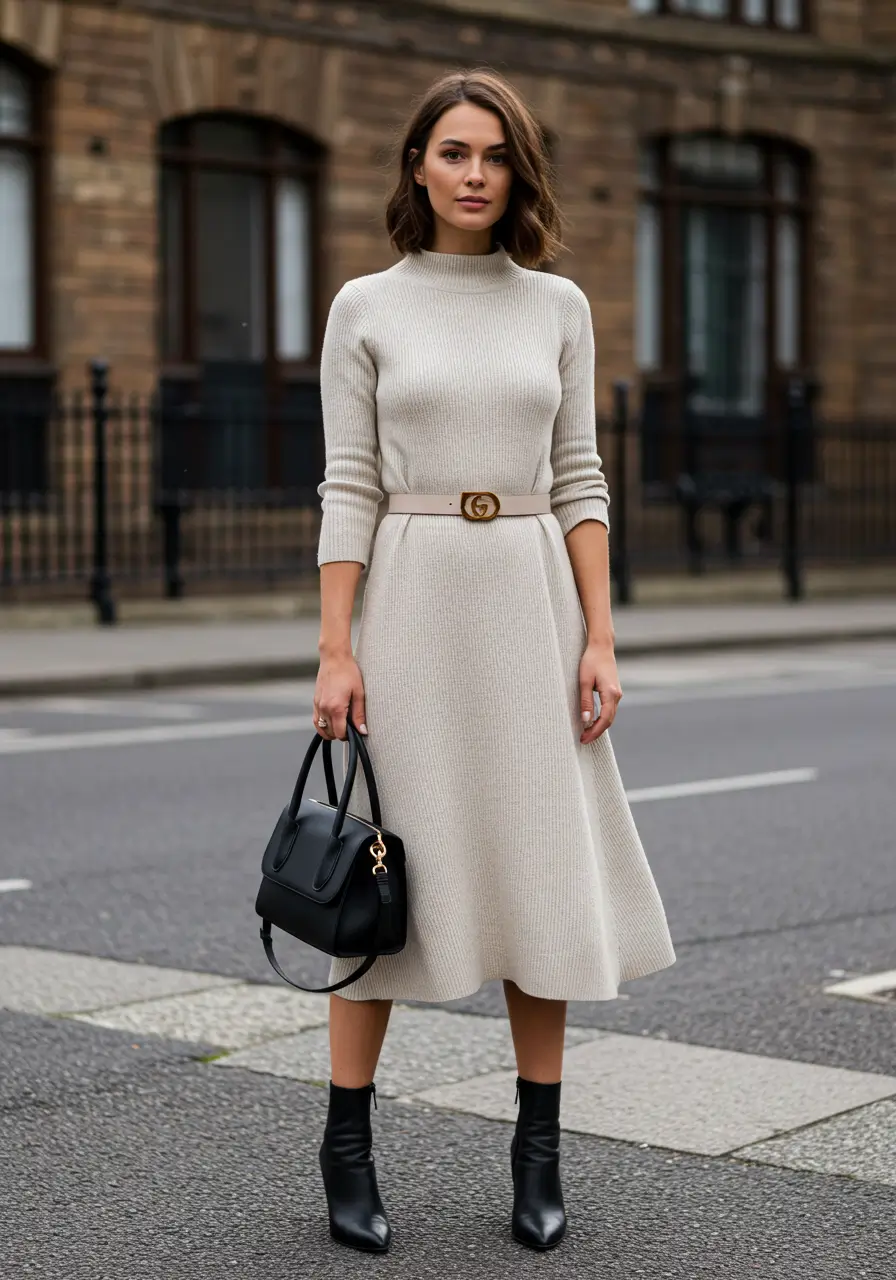
Building on the idea of timeless accessories, let’s look at one of the simplest yet most effective ways to refresh an outfit: adding a belt and tucking in your sweater. You might have a cozy sweater that feels a little shapeless after a few wears. Instead of setting it aside, grab a belt from your collection. By tucking the front of the sweater into your waistband and cinching a belt over it, you instantly create waist definition. This simple trick updates the entire silhouette, making a relaxed top look intentional and polished. It’s a low-maintenance way to give your wardrobe a new lease on life without buying anything new. Many of the best belt styling tips come from treating the belt as a focal point, not just a functional item. Whether you choose a thin leather belt or a wider woven style, the effect is the same: your outfit gains structure and a fresh, pulled-together feel.
Choosing the Right Belt for Your Sweater
For best results, match the belt’s width to the thickness of your sweater. A chunky knit pairs well with a medium-width belt that won’t get lost in the fabric. A finer knit can handle a delicate, thin belt. Always tuck your sweater smoothly before fastening the belt to avoid bulk. This approach works for any age, making it a versatile styling tips age can benefit from. You can also experiment with buckle placement—offset the belt for a modern twist or keep it centered for classic appeal. The key is to have fun with belt outfit ideas and see how a simple change can refresh your look. It’s a budget-friendly, practical way to add waist definition and breathe new life into your everyday wardrobe.
Tip 7: Choose Skirt and Dress Lengths That Flatter a Petite Frame
Just as a belt can define your waist, the right hemline can redefine your entire silhouette. If you are 5ft 4in, you likely know the struggle of a maxi skirt that turns you into a walking puddle of fabric. The author, at that same height, knows firsthand that super long skirts and dresses can overwhelm a smaller frame rather than flatter it. The good news is that with a few simple dress length tips, you can make your legs look longer and your overall shape more balanced. The key is to avoid hemlines that cut you off at the widest part of your calf or puddle around your ankles.
For the most flattering look, aim for skirts that hit just above the ankle or stick to classic midi lengths. These petite styling tricks create an unbroken vertical line, which naturally elongates your legs. A midi skirt that ends at the slimmest part of your calf is especially forgiving and works beautifully with both flats and heels. If you love a longer look, choose a maxi with a slit or a lightweight fabric that drapes rather than pools. These styling tips age gracefully because they focus on proportion over trends. Remember, the goal is to celebrate your height, not hide it. With the right skirt length for petite frames, you can wear any style with confidence.
Frequently Asked Questions
How can I mix multiple patterns without looking chaotic?
Start with a neutral base layer, then pair patterns that share a common color. For example, a striped top with a floral skirt that both contain navy. Keep accessories simple to let the patterns shine. These styling tips age well because they focus on balance rather than trends.
What jewellery should I wear in winter vs summer?
In winter, choose warmer metals like gold or brass, and consider chunkier pieces like a thick chain necklace or a wide cuff bracelet. For summer, lighter metals like silver or rose gold and delicate pieces such as a thin chain or small hoop earrings feel more comfortable. This seasonal shift is a simple way to refresh your look without buying new clothes.
How can I dress for my height without feeling limited by body type rules?
Focus on proportions rather than strict rules. For instance, high-waisted pants can elongate your legs, while a monochromatic outfit creates a continuous line. Trust your eye and what makes you feel confident—these adaptable tricks work at any age.