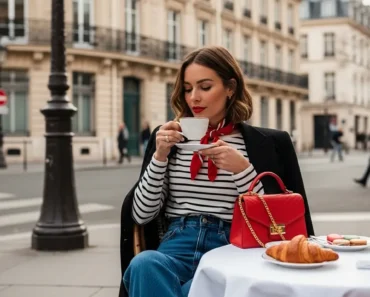
Your wedding style should be a true reflection of your personality—timeless yet personal, blending old-world charm with modern confidence. That’s where vintage modern wedding style comes in: it lets you honor tradition while making the day unmistakably yours. Ella advises brides to lean in and do what makes them feel confident for a timeless, chic look that is true to themselves. Looking ahead, 2026 wedding trends predict a surge in color, even for the main ceremony look, so don’t be afraid to experiment.
Embracing a timeless bridal style doesn’t mean sacrificing your personal style wedding vision. Instead, it’s about finding pieces that feel both classic and fresh—whether that’s a blush gown or a tailored suit. Let your confidence guide your choices, and you’ll create a look that feels right for you.
Step 1: Define Your Vintage Modern Aesthetic
Before you start shopping, take time to pinpoint exactly how you want to blend vintage nostalgia with contemporary flair. This is where your vintage modern wedding style begins to take shape. Think of it as a personal style compass—it will guide every choice you make, from the silhouette to the smallest accessory. The key is to focus on what makes you feel most like yourself. For example, one bride found her ‘most me’ look in a green set paired with yellow diamonds. That combination of an unexpected color and heirloom-inspired jewelry perfectly captured her personality. Your version might look completely different, and that’s the point.
To define your vintage bridal aesthetic, start by asking yourself what draws you to the past. Is it the delicate lace of the 1920s, the clean lines of the 1960s, or the romantic draping of the 1970s? Then, consider how you can update those elements with a modern wedding dress style. Vintage modern means mixing antique-inspired details—like scalloped edges or seed pearls—with clean, modern silhouettes. A fitted crepe gown with a high neckline and a low back, for instance, feels contemporary but nods to old Hollywood glamour. Your personal style wedding dress should be a reflection of you, not a trend. So, take time to browse images, save what catches your eye, and notice the patterns. That’s how you’ll find your signature look.
Step 2: Research Designers Who Blend Old and New
Now that you have a clearer sense of your personal style, it’s time to look at the designers who specialize in that vintage modern wedding style balance. Certain bridal houses have made a name for themselves by weaving classic details into fresh, contemporary silhouettes. Getting to know their work will help you pinpoint whose aesthetic truly matches your vision.
For instance, Sept New York is known for its understated, minimalist gowns with subtle vintage touches. When Ella wore Sept New York for her ceremony, she became the first bride to wear Gown 18—a dress that perfectly captures that quiet, old-meets-new feel. If you love art and drama, Wiederhoeft channels Art Nouveau with sculptural bodices and intricate glass beading. One standout design even featured gloves attached to the dress, creating a seamless, artistic look. Other names to add to your list include Alexandra Grecco, Danielle Frankel, and Kyha. All three exemplify the vintage modern style, and Ella worked with Alexandra Grecco for both her welcome look and a custom reception set. As you browse each designer, take note of the fabrics, necklines, and details that keep catching your eye. That’s how you’ll narrow your search to the labels that feel most like you.
Step 3: Budget for Your Wedding Weekend Wardrobe
After you’ve noted the fabrics and details that catch your eye, it’s time to think about how many looks you’ll actually need—and how to fund them. Multiple outfits across a wedding weekend require smart planning, and knowing the price ranges helps you decide where to invest. Custom gowns from designers like Danielle Frankel or Alexandra Grecco offer beautiful personalization but come with a higher custom wedding dress cost. Ready-to-wear options such as Zimmermann or Valentino can be more accessible while still feeling special. For example, Dev wore Valentino for her welcome party and getting ready, a custom Danielle Frankel for the ceremony, Wiederhoeft for the reception, and custom Undone by Kate for the after party. Ella chose Zimmermann for getting ready and Lein for her rehearsal lunch, plus a custom recovery look later reinterpreted as the Ella Rose. This shows how a mix of custom and ready-to-wear can achieve a cohesive vintage modern wedding style.
Investing in Custom vs. Ready-to-Wear
To keep your bridal budget planning on track, set a budget per event: ceremony, reception, welcome party, after party, rehearsal, and getting ready. Custom pieces are worth the splurge for the moments you’ll remember most, while ready-to-wear can shine for casual events. This approach ensures you invest thoughtfully without overspending, making your multiple wedding outfits budget work for you.
Step 4: Create a Timeline for Selecting Each Outfit
Once you’ve mapped out your budget, the next smart move is to stagger your outfit decisions. A multi-outfit wedding weekend can feel overwhelming if you try to shop for everything at once. Instead, start with your ceremony gown, as it’s the most important piece, then move to reception, welcome, and after-party looks. This step-by-step approach keeps your planning wedding wardrobe manageable and helps you avoid last-minute stress.
A realistic wedding outfit timeline depends on whether you choose custom or ready-to-wear. Allow six to nine months for custom pieces, especially for intricate designs or specific fabrics, while ready-to-wear options typically need just two to four months for ordering and alterations. For a real-world example of this in action, consider Ella’s process. She selected her Sept New York ceremony gown first, becoming the first bride to wear Gown 18. Next, she worked with Alexandra Grecco for her welcome look and a custom reception set. She then turned to Lein for her rehearsal lunch and a custom recovery look that Lein later reinterpreted as the Ella Rose in their collection. Ella’s journey shows how a phased timeline allows each outfit to receive the attention it deserves, keeping your Vintage modern wedding style cohesive without the chaos.
Sample Timeline for 5+ Outfits
If you’re planning five or more looks, here’s a clear sequence to follow. Begin with the ceremony gown around ten months before the wedding, giving yourself ample custom gown lead time. Six months out, lock in your reception look and welcome outfit. By the three-month mark, finalize your rehearsal dinner ensemble and any after-party or recovery sets. This staggered schedule ensures you make confident choices at each stage, and it leaves room for alterations or last-minute adjustments. By breaking down your planning wedding wardrobe into smaller tasks, you’ll enjoy the process rather than feel rushed, and each piece will get the careful consideration it needs.
Step 5: Shop Efficiently with a Focused Strategy
Now that you’ve broken your wedding wardrobe into smaller pieces, it’s time to tackle the main event: finding your ceremony gown. Bridal shopping can quickly become overwhelming if you don’t have a plan. The key to staying calm and focused is limiting your appointments. Book no more than two or three per day. Any more than that, and you risk decision fatigue, where every dress starts to blur together.
If you want to go deeper, it is also worth a look at Hats in Style: The Ultimate Guide to Choosing the Perfect Hat for Your Face Shape.
Come prepared with your mood boards and a list of designers you love. This saves precious time and helps the stylist understand your vision. For example, Ella’s favorite shopping spots included Sept New York, Alexandra Grecco, Danielle Frankel, Kyha, and Oscar de la Renta. She found her dream gown at Sept New York in just one appointment, partly because she stayed open to trying new silhouettes. Being flexible can lead to a surprise favorite. Also, don’t be shy about asking if any gowns are exclusive. Ella was the first to wear Gown 18, a unique vintage modern wedding style piece that no other bride had tried on. That sense of discovery can make your dress feel truly one-of-a-kind. With these bridal salon tips, you can turn efficient wedding dress shopping into an enjoyable, memorable experience.
Step 6: Mix Vintage and Modern Elements with Purpose
With your dream dress secured, the next step is to create a look that feels timeless yet fresh. Combining eras is an art—you want antique details to sing against clean, contemporary lines. This is where vintage modern styling tips come into play. For example, Dev’s Art Nouveau wedding gown from Wiederhoeft featured delicate glass beading and gloves attached to the dress, giving it a sculptural, almost architectural feel. Those details whisper vintage, but the silhouette and technique are entirely modern. The balance is intentional: one ornate piece paired with simpler cuts keeps the overall look cohesive.
Accessorizing the Blend
Modern accessories can elevate a vintage-inspired gown beautifully. When Ella wore a green welcome set, she added yellow diamonds from Logan Hollowell—a bold, contemporary sparkle against the earthy hue. This mix of eras works because the accessories don’t compete; they complement. Color is another bridge between old and new. Soft pastels or rich jewel tones can tie retro and contemporary motifs together effortlessly, offering plenty of bridal color combinations to explore. Ella predicts that by 2026, brides will embrace color even for the main ceremony look, proving your vintage modern wedding style can be as bold or subtle as you like. Keep your foundation simple and let purposeful details tell the story.
Step 7: Embrace 2026 Color Trends and Custom Creations
Building on that confidence with color, the next step is to make the shade entirely your own. The 2026 bridal color trends point toward soft, wearable hues that still feel bridal—think blush, sage, or sky blue for the main ceremony look. Ella, for example, chose a green Alexandra Grecco set for one of her events and called it the most “me” look of her wedding. That’s the beauty of a custom color wedding dress: it lets your personality shine through without competing with the vintage elements you love.
Working with Designers on Custom Color
You don’t have to start from scratch. Many bridal houses now offer full color personalization on existing silhouettes. Ella worked directly with Alexandra Grecco on her welcome look and custom reception set, proving that even subtle shifts in shade can transform a gown. Dev took it further by commissioning custom Danielle Frankel for her ceremony, a custom Wiederhoeft for the reception, and a custom Undone by Kate for the after party. Each piece was tailored not just to her body but to her color vision. If you’re dreaming of a pastel wedding gown, approach your designer early in the process. Bring fabric swatches or photos of the exact tone you want, and ask about their dye or fabric options. A soft blush or muted sage keeps the romantic nostalgia of a vintage modern wedding style while adding a fresh, future-forward twist. Custom color turns your dress into a keepsake that no one else will have—and that’s the most personal detail of all.
Frequently Asked Questions
How can I combine vintage and modern elements to create a unique wedding look?
Start with a modern silhouette, like a sleek sheath or A-line dress, then add vintage details such as lace sleeves, a beaded belt, or a birdcage veil. For your accessories, mix a modern minimalist shoe with an heirloom-inspired hairpiece. This balance keeps your vintage modern wedding style feeling fresh and personal.
What is the difference between a vintage-inspired dress and a true vintage gown?
A vintage-inspired dress is newly made with retro details like scalloped lace or cap sleeves, offering modern fit and comfort. A true vintage gown is an actual piece from a past decade, which may require alterations and careful handling. For a practical vintage modern wedding style, many brides choose a vintage-inspired dress and pair it with authentic vintage accessories.
How do I avoid feeling overwhelmed when shopping for wedding fashion?
Start by defining your core style with a few key words, such as “minimalist” or “romantic,” and use them to filter your search. Shop with a clear budget and limit yourself to trying on no more than five dresses per appointment. This focused approach helps you stay true to your vintage modern wedding style without decision fatigue.