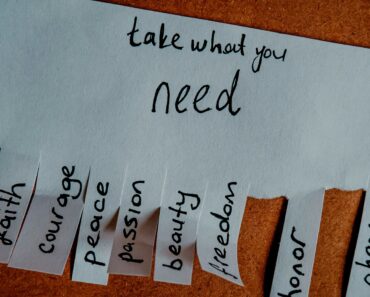
If the last few years of self-improvement felt like a nonstop sprint toward productivity and hustle, 2026 offers something different altogether. The self improvement trends 2026 point toward a quieter, more intentional kind of growth — one that prioritizes your emotional well-being, your relationships, and the kind of change that actually lasts. Instead of chasing quick fixes or trying to optimize every waking hour, people are embracing a grounded, human-centered approach that feels both refreshing and sustainable.
This shift marks a genuine turning point in self growth 2026. The conversation has moved away from rigid goals and external validation toward something softer yet more powerful: balance. Whether you are rethinking your morning routine, exploring personal development trends that honor your whole self, or seeking holistic self improvement that fits your real life, this new era is about progress without burnout. The five trends explored in this article capture exactly what is changing — and how you can be part of it.
Why Extreme Routines Are Fading: The Shift from Hustle to Balance
The five trends we are about to explore all point in one direction: a move away from the pressure-cooker approach to personal development. For years, self improvement trends 2026 were dominated by the idea that you had to wake at 4 a.m., take an ice bath, and push through every waking hour to prove your dedication. That era is quietly closing. More people are rejecting extreme morning routines, cold plunges, and the relentless pace of hustle culture. Instead, they are embracing what you could call anti hustle culture—a philosophy that values rest, consistency, and genuine well-being over performative busyness.

The Downsides of High-Pressure Self-Improvement
The problem with extreme routines is simple: they are not built to last. When your growth plan demands superhuman effort every single day, you eventually crash. You might feel inspired for a week, then burned out for a month. That cycle leaves you feeling like you have failed, even though the real failure was the method itself. Gentle self improvement works differently. It asks you to show up at a sustainable pace—maybe just ten minutes of journaling instead of a two-hour morning ritual, a walk outdoors instead of a punishing workout. These small, kind actions add up over time, building sustainable growth habits that you can actually keep.
So if you have tried and abandoned an intense routine before, do not blame yourself. The shift from hustle to balance is not about lowering your standards. It is about raising them in a way that respects your real life—your sleep, your family, your energy. This approach fuels progress without the burnout that used to come with it.
Mindful Technology Use: The New Wellness Movement
This same principle applies to your relationship with technology. Just as you’ve learned to raise your standards without inviting burnout, your approach to screens needs a similar shift. The old advice was to go offline completely. But for most families, that’s neither realistic nor necessary. One of the most promising self improvement trends 2026 will be mindful technology use — a movement that focuses on deliberate device use rather than full digital detox.
The goal here is not to cut off your phone forever. It is to reclaim your attention and reduce digital overwhelm by being intentional with every tap and scroll. You choose when and why you pick up your device, rather than letting notifications dictate your time. This shift brings digital wellness into your daily routine as a practical, sustainable habit.
Practical Steps for Deliberate Device Use
- Set time zones for screens. Designate certain hours of your day as device-free — during meals, the first hour after waking, or the last hour before bed. These boundaries protect your energy without demanding you go entirely silent.
- Turn off non-essential notifications. Every buzz steals a sliver of your focus. Keep only alerts from people who truly need to reach you. Everything else can wait for your next check-in.
- Choose one activity at a time. Intentional screen time means watching a show without scrolling, or reading an article without checking email. Single-tasking brings back the calm that multitasking stole.
- Audit your apps weekly. Ask yourself: Does this app serve my values or steal my time? Remove anything that doesn’t add to your tech life balance.
By making your device a tool you control, you create space for the things that truly matter. This simple practice fits squarely into the self improvement trends 2026 — a year where wellness is less about escaping the digital world and more about mastering your place within it.
Emotional Fitness: Training Your Inner World
As you learn to manage your digital life with more intention, the next logical step is turning that same focus inward. That’s where emotional fitness comes in. For years, the concept of training your mind might have sounded like something reserved for meditation retreats or therapy offices. But in 2026, it’s becoming a practical, everyday habit — and a key part of the self improvement trends 2026 landscape.
Think of emotional fitness like physical fitness. You wouldn’t expect to run a marathon without regular training, and the same goes for your inner world. Building emotional resilience takes consistent, small actions. Reflective journaling is one of the simplest ways to start. It’s not about writing pages of deep thoughts every day. Even a few minutes spent jotting down what you felt, what went well, or what challenged you can strengthen your self awareness practices over time. You begin to notice patterns — maybe you react strongly to certain triggers, or you feel drained after specific types of conversations. That awareness is the first step toward change.
What Emotional Fitness Looks Like in Daily Life
Boundary-setting is another cornerstone of this training. It’s a skill, not a one-time decision. In practice, it might mean saying no to an extra commitment so you have time to recharge, or letting a friend know you need a pause in a difficult conversation. These small, repeated acts build your mental fitness just like a workout builds muscle. You’ll find that your emotional fitness training fits naturally into your routine — a few minutes of journaling before bed, a gentle boundary at work, a check-in with yourself during a busy afternoon. Over time, these practices move from being a trend to a natural part of how you care for yourself. And that’s the real shift in 2026: emotional health becomes something you actively train for, not just something you hope to have.
Slow Productivity and Micro-Habits: Quality Over Quantity
Just as you begin to train your emotional health with intention, the same thoughtful approach is reshaping how you tackle personal growth itself. The big shift in self improvement trends 2026 is a move away from cramming every hour with tasks and toward a gentler, more focused rhythm. This is where slow productivity and micro-habits come in — together they create a sustainable path to meaningful change without the burnout that so often follows ambitious resolutions.
Slow productivity, which will rise in 2026, is about quality over quantity. It gives you permission to protect periods of deep work where you can concentrate fully on one thing, free from constant notifications and multitasking. Instead of measuring your day by how many boxes you check, you measure it by the depth of what you actually accomplish. This is minimalist productivity in action: doing less, but doing it better, and giving yourself the space to think clearly.
You can read more on this topic in 7 Best Manifestation Techniques and Mindset Habits.
Pairing this approach with micro-habits makes the shift even more practical. These are tiny actions — reading one page of a book, stretching for thirty seconds, writing a single sentence in a journal — that feel almost too small to fail. They lower the barrier to starting, which is often the hardest part. Over time, these small wins build confidence and create a natural rhythm that doesn’t rely on willpower alone.
How Micro-Habits Build Momentum Over Time
Micro-habits will become the preferred self-improvement method in 2026 because they work with your brain, not against it. Each tiny success releases a small sense of accomplishment, which keeps you coming back. Before you know it, that one page turns into a chapter, that thirty-second stretch becomes a full morning routine. The magic lies in consistency, not intensity. This is the essence of atomic habits — small, nearly invisible changes that compound into real transformation. By combining slow productivity’s protected focus with the low-pressure consistency of micro-habits, you create a growth practice that is both effective and genuinely sustainable for the long haul.
Science-Backed Wellness: Replacing Fads with Evidence
The same desire for lasting change that makes micro-habits so effective also applies to how you care for your body. Trendy cleanses, flashy gadgets, and quick-fix promises are losing their appeal. In their place, self improvement trends 2026 point toward something far more grounded: practices rooted in solid research that deliver real, measurable results. This shift from hype to science is one of the most welcome changes in personal growth today.
Two standout examples are strength training and circadian rhythm-based habits. Strength training, often called functional fitness, goes beyond building muscle. It supports bone density, boosts metabolism, and improves everyday movement, making it a practical choice for any age. Similarly, paying attention to your body’s natural clock through circadian health means aligning meals, sleep, and activity with daylight cycles. Simple adjustments like getting morning sunlight and dimming lights after dinner can improve sleep quality and energy levels without expensive supplements or complicated routines.
Why Science-Backed Practices Endure
The reason these evidence based habits stick is simple: they work consistently because they work with your biology, not against it. Fads often demand extreme changes that are hard to maintain, but science-backed wellness fits into real life. You do not need a gym membership for strength training; bodyweight exercises at home count. You do not need a sleep tracker to practice circadian health; just a window and a consistent bedtime. This low-barrier, high-impact approach makes wellness feel less like a chore and more like a natural part of your day. As you build these habits, you will notice that your growth practice becomes not only more effective but also genuinely easier to sustain for the long haul.
Frequently Asked Questions
How can I practice mindful technology use in my daily life?
Set clear boundaries by designating tech-free times, like during meals or the first hour of your morning. Choose one small habit—such as turning off non-essential notifications—to start. This deliberate approach helps you stay present without sacrificing connectivity.
What is slow productivity and how does it differ from traditional productivity?
Slow productivity focuses on doing fewer things with deeper attention, rather than packing more tasks into every hour. Traditional productivity often glorifies busyness, while slow productivity values sustainable energy and meaningful progress. This shift aligns with the self improvement trends 2026 emphasis on balance over burnout.
Why is there a shift away from extreme morning routines and hustle culture?
Many people found that rigid 5 a.m. routines and constant hustle led to stress rather than growth. The new approach values flexibility, rest, and what actually works for your life. You are encouraged to build habits that feel supportive, not punishing.