If you’re just starting your gardening journey, you already know that Central Texas can feel like a tough classroom. The intense sun, relentless heat, and unpredictable soil can make even the simplest planting feel like a challenge. That is exactly why this Central Texas beginner gardening guide exists. Sponsored by Round Rock Garden Center, this article is part of our Gardening 101 series, created to give you practical, confidence-building advice. Every local business has a story to tell, and this beginner gardening guide is rooted in their years of experience with the area’s unique conditions. This sponsored gardening article is here to help you learn the basics without the guesswork.

1. Choose the Perfect Location for Your Garden
Spring in Central Texas can be wonderfully mild, but those gentle conditions are deceiving. What feels like a perfect spot in March may become an oven by August. That is why garden site selection matters so much for Central Texas beginner gardening. Walk your yard at different times of day and note how the sun moves. A spot that is pleasantly shaded in spring might be fully exposed once trees leaf out or as the sun angle shifts. Sun exposure planning is crucial — full-sun vegetables need at least six hours of direct light, but too much intense afternoon heat can stress young plants. Look for areas that receive bright morning sun with some afternoon relief, perhaps from a fence, taller plants, or a nearby structure.
Spacing for Mature Growth is another key factor. Resist the urge to crowd your seedlings. Those tiny starts will quickly grow, and without enough room, they will compete for water and nutrients. Good plant spacing guidelines usually appear on seed packets or nursery tags — follow them. Overcrowding also reduces airflow, which invites pests and disease in humid Texas weather. Pay attention to microclimates within your yard, too. A spot near a brick wall may retain heat, while a low-lying area might stay cooler and damper. Wind protection matters as well; strong gusts can dry out soil and damage tender leaves. By choosing your location thoughtfully, you set your garden up for success long before the first seed goes in the ground.
2. Prepare Your Soil for Success
Once you’ve picked the perfect spot, it’s time to turn your attention to the ground beneath your feet. Central Texas soil can be a challenge for beginners, but with the right preparation, it will support a thriving garden. The first step is soil testing. Knowing your soil’s pH and nutrient levels tells you exactly what amendments your garden needs. Many local extension offices offer affordable soil testing services, or you can use a simple home test kit. This small effort prevents common beginner mistakes like poor growth or yellowing leaves caused by nutrient deficiencies.
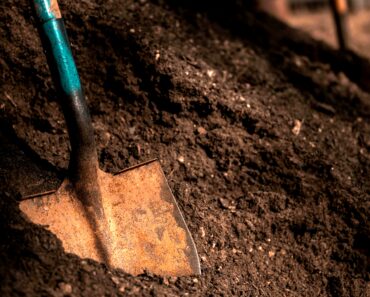
After testing, you’ll likely need to amend your soil. Central Texas is known for heavy clay or, in some areas, very sandy soil. Both types benefit from adding organic matter. Mixing in compost, aged manure, or leaf mold improves drainage in clay and helps sandy soil hold moisture and nutrients. This step is vital for Central Texas beginner gardening success because it creates a loose, fertile bed where roots can spread easily. Spend a weekend turning in several inches of organic matter, and your plants will thank you with stronger growth and fewer problems later on.
3. Select the Best Plants for Central Texas
Now that your soil is ready, it’s time to choose what to grow. This step makes or breaks your Central Texas beginner gardening experience because not every plant thrives here. The key is picking heat-tolerant and native varieties that handle the scorching summers and unpredictable rainfall. You want plants that can take the heat without constant fussing.
Start by looking for heat-tolerant plants designed for long, hot growing seasons. Many popular garden vegetables, like tomatoes and peppers, do well here, but timing matters. For the best results, follow a planting calendar Central Texas gardeners rely on: spring and fall are your prime windows. Summer’s intensity is too harsh for most new transplants, so plan to plant in March through May or September through October. Native Texas plants are another smart choice. They evolved here, so they resist drought and pests naturally, requiring less water and maintenance. Beginners often find native flowers, shrubs, and grasses the most rewarding because they stay low-maintenance while adding timeless beauty to the landscape. Sticking with these proven options makes your first garden practical, budget-friendly, and far more likely to succeed.
4. Master Watering in the Central Texas Heat
Once you’ve chosen your plants, the next challenge is keeping them alive through the scorching summer. Watering is often the biggest struggle for Central Texas beginner gardening, because it’s so easy to either drown your plants or leave them parched. The key is to water deeply and less frequently. This encourages roots to grow deep into the soil, where they can find moisture even when the surface dries out. Shallow, frequent watering leads to weak, shallow roots that suffer in the heat. So how often should you water? It depends on your soil and weather, but a good rule is to check the soil a few inches down—if it’s dry, it’s time to water deeply.
For best results, use drip irrigation or soaker hoses. These methods deliver water directly to the root zone, minimizing evaporation and waste. They also help you conserve water in your garden, which is especially important during hot, dry spells. Sprinklers lose a lot of water to the air and can wet leaves, inviting disease. Drip irrigation benefits include steady, efficient watering that fits your schedule. And don’t forget mulch—a thick layer around your plants helps retain moisture, keeping the soil cool and reducing how often you need to water. This ties directly into our next tip about mulching, so get ready to save even more time and effort.
Also worth a read: Abbess Garden: 5 Beginner Tips & Mechanics.
5. Mulch and Fertilize the Right Way
Now that you’ve locked in a smart watering routine, the next step in Central Texas beginner gardening is getting mulch and fertilizer right. Two common mistakes beginners make are skipping mulch altogether and over-fertilizing new plants. Avoiding these will save you a lot of frustration.
Choosing the Right Mulch
Skipping mulch causes moisture to evaporate quickly, weeds take over, and soil temperatures fluctuate more dramatically — especially during those scorching Texas summers. Applying a 2-3 inch layer of organic mulch types such as cedar or compost makes a huge difference. It holds moisture, keeps roots cooler, and gradually breaks down to feed the soil. Just avoid piling it against the plant stems to prevent rot.
When and How to Fertilize New Plants
Over-fertilizing too soon after planting can burn roots and encourage weak, leafy growth instead of strong root development. For root burn prevention, use a slow-release or organic fertilizer while plants establish. Fertilize sparingly during the first few weeks, letting plants adjust to their new home first. The mulching benefits Texas gardens the most when combined with a gentle feeding schedule — your plants will thank you with steady, healthy growth.
Frequently Asked Questions
How do I choose the right location for my plants in Central Texas?
Look for a spot that gets morning sun and afternoon shade, especially during the intense summer heat. Most vegetables and flowers need about six hours of sunlight, but the harsh afternoon rays can stress young plants. Prioritize well-draining soil and avoid low areas where water pools after a rain.
Why is mulch important and what type should I use?
Mulch is a practical shield that keeps soil cool, retains moisture, and stops weeds from sprouting. For Central Texas beginner gardening, a thick layer of organic mulch like shredded hardwood or pine bark works well. It breaks down over time, adding nutrients to the soil and reducing how often you need to water.
What are the most common beginner mistakes in a Central Texas garden?
Overwatering is the top mistake, as many beginners water too often in the heat, which can rot roots. Another frequent misstep is planting sun-loving crops in full afternoon sun without any shade protection. Using a basic soil test before planting can save you from these common, frustrating errors.