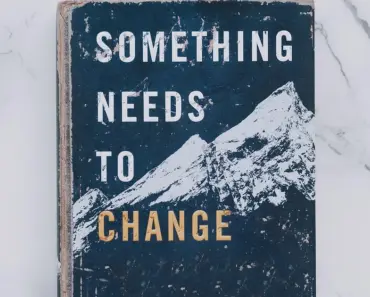
Books that challenge the way you think can permanently reshape your perspective and alter the direction of your life. When you seek out books that transform mindset, you are looking for more than entertainment—you want ideas that stick with you long after you turn the last page. These personal growth books offer a rare depth that digital content often cannot match, allowing you to fully immerse yourself in powerful concepts.

Throughout history, books have shaped ideas, inspired movements, and transformed individual lives. In our modern world of quick scrolls and fleeting updates, transformative reading provides a quiet space to reflect and grow. For anyone curious about mindset transformation books, this list of seven picks will guide you toward lasting change.
1. Atomic Habits by James Clear: Tiny Changes, Remarkable Results
If you’ve ever felt stuck trying to make a big change, this is one of those books that transform mindset by showing you a gentler, more effective path. Atomic Habits reveals how small daily actions—ones so tiny they seem almost effortless—can compound into life-changing outcomes. Instead of pushing you to aim for a giant goal and then burn out, it teaches you to focus on the process itself. That shift from outcome-based thinking to process-based thinking is exactly what makes this book a standout among mindset transformation books.
You’ll learn why habit formation is less about willpower and more about designing your environment and identity. The real magic lies in the compound effect: making a 1 percent improvement each day adds up to remarkable results over time. The book helps you build identity-based habits—so instead of saying “I want to run more,” you start seeing yourself as a runner. That subtle change rewires your motivation. Why tiny actions matter more than big goals becomes clear when you understand that consistent small changes big results are built through daily repetition, not occasional heroic effort.
2. Man’s Search for Meaning by Viktor Frankl: Finding Purpose in Suffering
From the power of small daily habits, we move to a book that tackles life’s biggest questions. Man’s Search for Meaning by Viktor Frankl is one of those rare books that transform mindset at a fundamental level. Frankl, a psychiatrist, survived the Nazi concentration camps and later developed logotherapy—a school of thought that places the search for meaning as the primary human motivation. What makes this book so life-changing is how it reframes suffering itself. Instead of seeing hardship as something to endure passively, Frankl shows that we can choose our attitude in any circumstance, no matter how bleak. This shift from victimhood to purpose is incredibly freeing. When you believe that finding purpose is possible even in pain, you stop asking “Why me?” and start asking “What now?” The resilience built through this perspective is deep and lasting.
How suffering can lead to finding meaning in life is the book’s core lesson. Frankl argues that suffering, when accepted and given meaning, becomes manageable and even transformative. For example, a person facing a chronic illness might use that experience to deepen relationships or discover inner strength. This isn’t about toxic positivity; it’s about recognizing that you always retain the freedom to choose your response. Logotherapy teaches that meaning isn’t something you stumble upon—it’s something you create by taking responsibility. By reading this book, you learn to look for purpose in everyday moments, not just in grand achievements. That’s why Man’s Search for Meaning remains a timeless guide for anyone seeking resilience through suffering and a more purposeful life.
3. The 7 Habits of Highly Effective People by Stephen Covey: Principles for Lasting Growth
While Frankl’s work helps you find meaning in the midst of hardship, Stephen Covey offers a practical system for building a meaningful life from the ground up. His approach shifts the focus from quick fixes to character-based habits that create real, lasting change. This is one of the most powerful books that transform mindset because it teaches you to stop reacting to circumstances and start acting from your core values.
Covey introduces a framework for personal effectiveness rooted in timeless principles like integrity, fairness, and responsibility. The first three habits focus on your private victory: being proactive, beginning with the end in mind, and putting first things first. Together, they build a proactive mindset that helps you take ownership of your choices rather than blaming outside factors. What principles lead to lasting personal effectiveness? The answer lies in aligning your daily actions with what truly matters to you. This creates a shift from dependency — where you rely on others for validation — to independence, and eventually to interdependence, where you can collaborate effectively. For families, this principle-centered leadership means modeling accountability and respect, showing your loved ones how to live with purpose rather than just reacting to life’s demands.
4. Think and Grow Rich by Napoleon Hill: The Power of Belief and Persistence
First published in 1937, this classic reveals that desire, faith, and persistence are the keys to success. While the previous book focused on leading with principles, this one dives into the internal engine that drives all achievement: your own belief. Napoleon Hill spent years studying successful individuals to identify the success principles they all shared. The result is a book that feels more like a blueprint for the mind than a typical self-help read. At its core, Think and Grow Rich argues that belief in oneself and a burning desire are foundational to any accomplishment. This isn’t about wishful thinking—it’s about a deep, unwavering conviction that shapes your actions.
So, can belief alone lead to success? Not exactly, but it sets the stage. The book teaches that persistence turns failures into stepping stones, a mindset shift that is incredibly practical for family life. When you face setbacks at work or home, this Napoleon Hill philosophy encourages you to see them as lessons rather than dead ends. How exactly does this book transform mindset? It moves you from doubt to unwavering faith in your goals, and it reframes persistence as a mindset, not just an action. The law of attraction ideas here are simple: what you consistently think about, you bring about. For anyone looking for books that transform mindset, this is a timeless reminder that your inner world creates your outer reality. It’s a powerful tool for teaching yourself—and your children—that resilience starts with what you believe is possible.
5. Daring Greatly by Brené Brown: Embracing Vulnerability as Strength
From reshaping your inner beliefs, it’s time to look at what holds many of us back: the fear of being seen as imperfect. Brown’s research on shame and vulnerability redefines courage and connection in a way that feels both practical and freeing. She makes a compelling case that vulnerability is not weakness but the birthplace of innovation and creativity. For you, this might mean admitting you don’t have all the answers, whether in parenting, your career, or a new hobby. It’s a shift that allows for real growth, not just going through the motions.
If you want to go deeper, it is also worth a look at 13 Things People Who Get Better Every Day Do Differently.
Wholehearted living requires letting go of perfectionism and shame, two forces that quietly drain your energy. Brown introduces the concept of shame resilience—the ability to recognize shame, move through it, and emerge with your sense of worth intact. How to apply vulnerability to daily life starts with small, brave acts: sharing a struggle with a trusted friend, trying a new recipe even if it flops, or asking for help with a home project. These moments build daring leadership in your own life, showing your family that strength isn’t about armor, but about showing up as you are. For anyone seeking books that transform mindset, this one offers a gentle, research-backed path to letting go of the masks you wear.
6. Mindset: The New Psychology of Success by Carol S. Dweck: Fixed vs. Growth
Just as you’re learning to show up as yourself, Dweck’s research reveals that your beliefs about your abilities shape your entire journey. This is one of the most powerful books that transform mindset, especially if you’re new to personal development. Dweck introduces two core self-theories: the fixed mindset and the growth mindset. A fixed mindset assumes talent is static — either you’re good at something or you’re not. A growth mindset, on the other hand, sees ability as something you can develop through effort and learning from failure. When you adopt a growth mindset, challenges become opportunities rather than threats. You start to see setbacks as part of the process, not as final verdicts. For families, this shift is incredibly valuable. Teaching your children that it’s okay to struggle and that persistence pays off builds resilience early on. Dweck’s work gives you practical language to praise effort over outcome, turning everyday moments into lessons in courage. Whether you’re trying a new hobby, navigating a career change, or helping a child with homework, this book reframes the way you approach difficulty. It’s a foundation for continuous improvement, both for yourself and everyone around you.
7. The Power of Now by Eckhart Tolle: Living in the Present Moment
From building better habits, you can turn your attention to a quieter but equally powerful shift. In The Power of Now, Eckhart Tolle reveals that true peace and transformation come when you release your attachment to the past and future. He explains that the present moment is all you truly have — your thoughts about what happened yesterday or what might happen tomorrow are what create most of your suffering. When you learn to anchor yourself in the now, you quiet the constant chatter of the ego and open up to a deeper awareness of life. This book is one of those books that transform mindset because it asks you to stop striving for a while and simply be.
To bring this into daily life, try a simple mindfulness practice. When you notice your mind spinning with worries, pause and take three slow breaths. Feel the air enter your nose, fill your lungs, and leave your body. Notice the weight of your feet on the floor or the texture of the mug in your hands. This small act of present moment awareness is a gentle form of spiritual awakening. It doesn’t require a special cushion or an hour of silence — you can practice it while washing dishes, waiting at a red light, or listening to your child tell you about their day. Over time, these moments of being fully present help you transcend the ego’s endless demands and find a calm center that stays with you no matter what life throws your way.
Frequently Asked Questions
How do these books specifically change the way I think and behave?
These books challenge long-held assumptions and replace them with practical mental frameworks. You learn to spot unhelpful thought patterns, pause before reacting, and choose responses that serve your long-term growth. The shift happens through small, consistent exercises that rewire your habits over time.
Can belief alone lead to success?
Belief is a necessary starting point, but it is not sufficient on its own. The books that transform mindset emphasize that belief must be paired with deliberate action, daily habits, and a willingness to adapt. Without these practical steps, belief remains a wish rather than a driver of real change.
Why do tiny daily actions matter more than big goals?
Big goals can feel overwhelming and distant, which often leads to procrastination. Tiny daily actions build momentum, create lasting routines, and compound into significant results. The books that transform mindset show that consistency outweighs intensity when you aim for lasting personal growth.