
Personal growth isn’t about overnight transformation — it’s a quiet unfolding through reflection and small shifts. The right personal growth books can slow you down and sharpen your thinking, offering the kind of depth that surface-level self-help rarely provides. These are books designed to sit with you, not to rush you toward a finish line. Instead of promising quick fixes, they invite you to wrestle with ideas that actually change how you see yourself and the world around you.
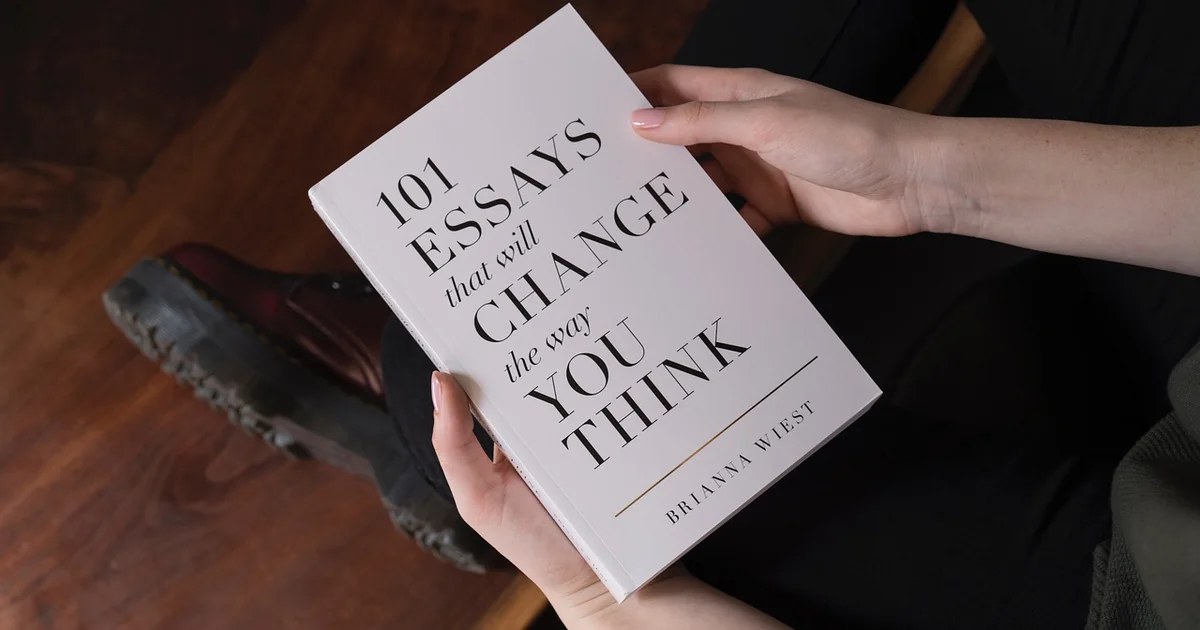
The five books on this list center on clarity, resilience, and intentional living — qualities that emerge slowly, not on demand. Personal growth does not work on deadlines; it requires deep engagement with a few resonant ideas over time. That is where meaningful self-improvement begins: not in racing through advice, but in sitting still with it. Deep reading for growth helps you ask better questions rather than rushing toward answers, which is exactly what these books for intentional living are built to do. Each one offers a different lens, but together they point toward the same truth: real change comes from paying close, patient attention.
1. Atomic Habits by James Clear – Build Identity Through Small Systems
If you’ve ever struggled to stick with a habit, this book redefines the entire approach—it’s not about outcomes but about becoming the person you want to be. Atomic Habits by James Clear focuses on systems, not outcomes, and asks the simple yet powerful question: “Who do I want to become?” Instead of setting a big goal, you redirect your energy toward small, repeatable actions that slowly shape your identity. This shift from outcome-oriented thinking to identity-based habits is what makes this one of the most effective personal growth books for anyone who wants lasting change. The idea is that tiny improvements—just 1 percent better each day—compound into remarkable results over time. The book introduces practical tools like habit stacking, where you pair a new behavior with an existing one, and behavior design, which helps you make good habits easier and bad ones harder. Your environment and routines become your allies.
To apply this, start with one tiny 2‑minute habit that feels almost too easy—like making your bed or drinking a glass of water each morning. Build from there. Within a few weeks, you’ll notice small shifts in your daily rhythm. For lasting change, expect to practice consistently for months; personal growth does not work on deadlines—it unfolds quietly through reflection, awareness, and those small shifts. Remember, personal growth does not require reading dozens of books; it requires engaging deeply with a few that resonate. Atomic Habits belongs first in any reading list on personal growth books because it teaches you to build discipline from the ground up, one tiny routine at a time. By focusing on systems over goals, you stop chasing outcomes and start becoming the person you want to be.
2. Four Thousand Weeks by Oliver Burkeman – Embrace Your Finitude
If you’ve ever felt trapped by the endless to-do lists and the pressure to optimize every hour, this is the personal growth book you need. Oliver Burkeman flips the usual productivity advice on its head. Instead of teaching you how to do more, he invites you to accept that you will never finish everything. That may sound defeatist, but it’s actually freeing. By embracing your limited time — what the author calls time acceptance — you stop fighting reality and start living more deliberately. The arrival of a new year often comes with pressure to transform overnight and set flawless goals, but this book offers a kinder path.
Real personal growth comes from allowing the right ideas to change how you think, choose, and live. Burkeman’s central insight is that the productivity paradox — trying to manage time better only makes you feel more rushed — dissolves when you set deliberate limits on your commitments. Practical changes include saying no more often and practicing patience with your own pace. If you feel overwhelmed by typical self-help promises, start here. You’ll learn that slowing down isn’t failure; it’s the way to make your weeks truly count. Finitude mindfulness becomes a quiet superpower, helping you focus on what matters instead of what’s urgent.
3. Man’s Search for Meaning by Viktor E. Frankl – Discover Purpose in Adversity
That kind of focus on what matters naturally leads to a deeper question: what gives your life meaning? Viktor Frankl addressed this powerfully in Man’s Search for Meaning, one of the most enduring personal growth books ever written. Drawing from his own experience in Nazi concentration camps, Frankl argues that meaning—not pleasure or success—is the core driver of human resilience. He founded a therapy called logotherapy, which centers on the idea that our primary motivation is to find purpose, even in extreme suffering. This short, profound read has no prerequisites; it can shift your entire worldview in a few sittings.
Applying Logotherapy to Daily Choices
Frankl presents a practical shift: instead of asking “What can I get from life?” ask “What do I owe life?” This question reframes everyday decisions—from how you handle a difficult coworker to how you spend a quiet evening at home. It builds what psychologists call existential resilience, helping you stay steady when circumstances feel unfair. The right book can slow you down, sharpen your thinking, and give expression to unarticulated feelings. Man’s Search for Meaning does exactly that, making it a cornerstone for anyone building a purpose-driven life.
4. Essentialism by Greg McKeown – Do Less, But Better
While Man’s Search for Meaning helps you define your purpose, Essentialism shows you how to protect that purpose from distractions. In a world of endless opportunities, this book teaches you to systematically eliminate the non-essential and focus only on what truly matters. Real personal growth comes from allowing the right ideas to change how you think, choose, and live — and that requires engaging deeply with a few personal growth books that resonate. McKeown’s message is refreshingly simple: do less, but better. This isn’t about doing more in less time; it’s about strategic elimination, a core skill in minimalist living and priority management.
On a similar note, 7 Competencies for HBCU Leadership Development explores this topic with concrete examples.
One of the most actionable tools is the 90% rule: if it’s not a clear ‘yes,’ it’s a ‘no.’ In practice, this means evaluating every commitment, project, or even habit against a high bar. If an opportunity doesn’t excite you or align with your deepest priorities, let it go. The concepts can be applied immediately — you can start saying no today — but mastery takes several weeks of deliberate practice. Over time, this approach complements other growth frameworks, such as those in Atomic Habits, by giving you the clarity to choose which habits actually deserve your energy. Essentialism is a quiet, powerful read that turns priority management from a buzzword into a daily discipline.
5. The Psychology of Money by Morgan Housel – Understand Your Financial Behavior
Once you’ve clarified what truly matters and built the habits to support it, the next step is understanding how your own mind handles money. The Psychology of Money reframes wealth as a mirror of your experiences, fears, and beliefs—not a math problem. This is one of those personal growth books that quietly shifts your perspective without a single budget spreadsheet. Morgan Housel approaches money as behavior shaped by your personal history, which means your financial habits are deeply tied to how you grew up and what you’ve witnessed. The practical application here is simple but powerful: take time to reflect on your own money stories. Ask yourself what emotional triggers appear when you spend or save. Do you feel anxious when checking your bank account? Do you overspend when stressed? Identifying these patterns helps you make choices that align with your values, not your fears.
This book isn’t about budgeting or investment tips. Instead, it explores behavioral finance and financial psychology in a way that feels like a conversation with a wise friend. Real personal growth comes from allowing the right ideas to change how you think, choose, and live—and this read does exactly that. It works best after you’ve established a foundation in habits (like those in Atomic Habits) and priorities (like Essentialism), because it helps you apply that clarity to your relationship with money. Non-fiction books like this one offer depth and help you ask better questions rather than rushing toward answers. By the end, you’ll see your money mindset as a tool for a fuller life, not a scorecard.
Frequently Asked Questions
How can I apply key ideas from these personal growth books without feeling overwhelmed?
Start with just one small idea from the book that resonates with you. Try applying that single concept to your daily routine for a week. This slow, focused approach makes growth feel manageable and practical.
What makes these personal growth books different from typical self-help titles?
These books focus on lasting shifts in thinking rather than quick fixes. They encourage deep reflection and consistent, small actions over dramatic overnight changes. You will find timeless advice that respects your unique pace of growth.
Do I need to read all five books to see real benefits?
No, a single book can offer significant value if it speaks to your current needs. Choose the one that addresses the area of growth you are most curious about. Reading even one of these personal growth books with intention can spark meaningful change.