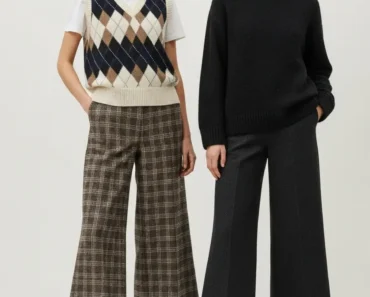
Spring’s arrival naturally sparks a desire for a wardrobe refresh. But before you reach for your wallet, consider this: your closet already holds all the potential you need. Taking the time to shop your own closet is not only budget-friendly but also a powerful step toward sustainable fashion. Personal style expert Lakyn Carlton, known as The Ethical Stylist, observes that many clients hesitate to style their clothes in new ways and often stop short of experimenting. By looking at what you already own with fresh eyes, you can create new outfits without spending a dime.

Step 1: Do a Complete Closet Clean-Out
Now that you’re ready to look at your wardrobe with fresh eyes, the first real step to shop your own closet is to take everything out and review each piece. This full closet clean-out may sound like a big job, but it’s the most direct way to break out of a style rut. Empty your entire closet — every hanger, every shelf, every folded stack — so you can truly see what you own. Without that complete view, it’s too easy to overlook items that could work in brand-new combinations.
How to Start
As you go through each item, create three piles: keep, maybe, and donate. Be honest with yourself. Ask, “Have I worn this in the past year?” and “Does it still feel like me?” This wardrobe audit helps you declutter with real purpose. Expect the process to take two to four hours — treat it as a focused spring cleaning session. The goal isn’t to be ruthless for the sake of it; it’s to clear away the noise so you can see your actual wardrobe. Once you’ve sorted through everything, you’ll have a much clearer picture of what you own and what’s possible. That clarity makes every later step easier and more creative.
Step 2: Spot the Keepers – Trending and Timeless Pieces
With your closet now edited down to the items you actually love, it’s time to decide what stays. This is where you can really make the most of a shop your own closet approach. Fashion is cyclical, so pieces you already own may come back into style sooner than you think. Look for items that align with current or upcoming trends, such as Peter Pan collar tops, animal print handbags, bomber jackets, and ballet flats. If you have these, you’re already ahead of the curve without spending a dime.
What to Keep
Focus on pieces that feel both current and versatile. Classic basics like a well-fitting blazer or a simple cotton dress can anchor a capsule wardrobe for years. These are your investment pieces — not necessarily expensive, but items you reach for again and again. Trend forecasting isn’t just for fashion insiders; you can do it yourself by noticing what’s popping up in stores or online. If you spot a similar silhouette or print in your own closet, hold onto it. What to Let Go
On the other hand, anything that feels worn out, doesn’t fit, or hasn’t been worn in a year can be passed along. Cyclical fashion doesn’t mean holding onto everything — it means being selective about the pieces that have lasting appeal. By keeping only what truly works, you make room for fresh styling ideas and save money on new purchases.
Step 3: Refresh with Unexpected Pairings
Once you’ve curated your closet, the real fun begins. One of the most exciting ways to shop your own closet for spring is to try combinations you haven’t considered before. Start with proportion play: wear an oversized button-down as a dress, twist a silk scarf into a bold top, or layer a maxi skirt with a chunky sweater. These styling tricks breathe new life into familiar pieces without spending a cent. The key is to see each item as flexible — a long skirt can feel crisp and modern when paired with a knit, and a loose shirt becomes a completely different silhouette with just a belt or different shoes.
Texture mixing takes outfit remixing even further. Contrast soft bouclé with sturdy denim, or pair fringe with sleek leather for an unexpected edge. Trending textures like suede, bouclé, and feathers add visual depth and make your outfit feel intentional. You likely already own several of these tactile pieces — they just need to meet their match. The goal is balance: one textured piece paired with a smooth counterpart creates interest without chaos. By embracing these styling tricks, you transform everyday staples into fresh, spring-ready looks that feel entirely new.
Step 4: Master Spring Layering
Now that you have a balanced foundation of textures and colors, it’s time to tackle one of spring’s biggest challenges: wildly unpredictable weather. Master spring layering, and suddenly that morning chill or afternoon warmth won’t derail your outfit. More importantly, layering is a powerful trick when you shop your own closet — it unlocks fresh style potential from pieces you already own without spending a cent. Lightweight layers add depth and create entirely new silhouettes, turning simple basics into interesting, weather-ready looks. Think of this as transitional dressing at its most creative: you extend the life of winter knits while welcoming airier fabrics, all in one outfit.
Easy Layering Combinations — Try a retro sweatshirt thrown over a sundress; the contrast of casual and dressy feels effortlessly modern. A cami layered over a basic t-shirt adds a pop of color and a second visual layer. And don’t forget colorful tights with neutral pieces to brighten your legs on cooler days. Each combination lets you adapt to temperature shifts while making your wardrobe feel renewed. Because you’re mixing items you already own, every layer tells a story — and you stay comfortable no matter what the sky decides to do.
Step 5: Incorporate Trending Textures
Your layered looks offer a perfect foundation for experimenting with texture. Playing with proportion and texture can transform a wardrobe, and this spring, trending textures include fringe, suede, bouclé, and feathers. When you shop your own closet, look for existing pieces that already feature these textures, such as a suede jacket, a bouclé cardigan, or a skirt with fringe. Even accessories like a feathered bag or suede boots can introduce texture to a simple outfit. Pair a suede jacket with a simple dress for an effortless contrast, or style a bouclé cardigan with jeans for a cozy yet chic look. Texture adds visual interest without adding bulk, making it perfect for spring. By staying mindful of these texture trends, you can refresh your wardrobe without buying anything new. Just like layering, texture is about combining what you already own in ways that feel fresh and current.
If you want to go deeper, it is also worth a look at 7 Stripe Styles from Up Next Edit Vol 5.
Step 6: Apply the ‘Wearing vs. Styling’ Mindset
Now that you have your textures working together, it is time to shift your thinking. Stop just wearing your clothes and start styling them with intention. There is a simple TikTok trend called ‘wearing vs. styling’ that perfectly captures this idea. The difference is small but powerful: you add one or two extra pieces to complete the look. Instead of pulling on a dress and calling it done, you add a belt to define your waist. Instead of throwing on a cardigan, you tie a scarf at your neck or add a piece of statement jewelry. These outfit finishing touches transform a basic outfit into something thoughtful and polished.
A common mistake is stopping short of styling. Carlton notes that clients often hesitate to style their clothes in new ways and stop short of that final step. You might feel like adding a belt is unnecessary, or that a scarf is too much effort. But that is exactly where the magic happens. When you shop your own closet, you are not just finding clothes to wear—you are finding new ways to express yourself. Push yourself to complete the look. Try a different bag, roll your sleeves, or layer a necklace you forgot about. These simple styling tips make your wardrobe feel fresh without spending a cent. Intentional dressing is about finishing what you started.
Step 7: Decide What to Let Go – Donate, Sell, or Repurpose
Now that you have refreshed your favorite looks, you may still be left with pieces that simply don’t fit your spring vibe. Not every item can be restyled, and that is okay. Learning to let go responsibly is a key part of learning how to shop your own closet. Clearing out what no longer serves you creates both physical space and mental clarity, making room for a wardrobe that feels truly intentional.
For clothing in good condition, consider clothing donation to a local charity or shelter. Many organizations accept gently worn items, giving your clothes a second life with someone who needs them. If you have trendy or brand-name pieces, you can resell clothes through online platforms or local consignment shops. This puts a little money back in your pocket while keeping garments out of landfills. For items that are stained or damaged, embrace upcycling — turn old t-shirts into cleaning rags, or cut jeans into shorts or a tote bag. A thoughtful wardrobe declutter is the final step in making your spring style feel fresh, light, and completely your own.
Frequently Asked Questions
How do I start shopping my own closet if I don’t know what to look for?
Start by pulling out items you haven’t worn in a while. Group them by category and try on each piece to see how it fits and feels. Look for hidden gems like a blazer forgotten at the back or a dress that just needs a belt. This simple process is the first step to shop your own closet effectively.
How can I tell if an old piece is worth keeping for future trends?
Check if the piece is made from quality materials that hold up over time. Classic silhouettes and neutral colors tend to blend well with future trends. If it sparks joy and fits well, it’s likely worth keeping. Trust your eye when you shop your own closet; you can always repurpose or tailor it.
What are the most common mistakes people make when trying to restyle old clothes?
A common mistake is holding onto clothes that no longer fit just because they were expensive. Another is ignoring the power of small alterations like hemming or taking in a waist. People also overlook how accessories can refresh an old outfit. Avoiding these pitfalls helps you truly shop your own closet with success.