**An inside house garden requires 14–16 hours of light daily, humidity above 50%, temperatures between 65 and 75°F, and soil depth of 18–20 inches. Choose plants like Spider Plant, Aloe Vera, or vegetables such as lettuce and herbs. Use drip watering systems or self-watering pots.
Ensure drainage holes to prevent root rot.** An inside house garden is an indoor gardening setup that integrates plants, artificial lighting, humidity control, and watering systems within a home environment. Turning a corner of your home into a productive garden starts with a clear-eyed look at what your rooms actually offer. The checklist that follows measures light, humidity, temperature, soil depth, watering, and plant choice against your specific conditions. Run through each section before you buy a single pot.
What Is an Inside House Garden?
An inside house garden transforms a room, a wall, or a dedicated nook into a controlled growing space that operates independently of outdoor weather. The payoff goes well beyond fresh herbs on the kitchen counter. Indoor plants eliminate volatile organic compounds emanating from adhesives, furnishings, clothing, and solvents. That air-cleaning effect is real and measurable.
The benefits stack up in ways that shape how a home feels and functions. People working or relaxing near greenery report feeling more focused and at ease, a shift that is hard to measure with instruments but easy to notice day to day. In home offices and study areas, the presence of plants correlates with getting more done.
There is also a practical, less obvious advantage: indoor gardens can reduce energy use by lowering the need for forced air circulation. The plants themselves become part of the home’s climate management.
How Much Light Do Indoor Plants Need?
Light is the non‑negotiable engine of an indoor garden. Most plants need a long photoperiod, and in many homes, especially during shorter winter days, natural sunlight alone cannot meet the demand. The quality of those hours matters as much as the quantity. Respiration and other critical processes happen in darkness, so running lights continuously will stress most species.
The right bulb turns a dim corner into a viable growing zone.
- High Intensity Discharge (HID) bulbs deliver intense, canopy‑penetrating light that supports fruiting vegetables and flowering plants at scale.
- Compact Fluorescent Systems run cooler and fit into tighter spaces. They suit leafy greens, herbs, and seedlings.
- Fluorescent lights and incandescent bulbs work for individual house plants rather than entire gardens. An incandescent bulb placed too close will scorch a fiddle‑leaf fig, but for a single Snake Plant in a low‑light hallway, it can serve.
Mount lights on adjustable hangers so the distance from bulb to leaf can shift as plants grow. A timer prevents human error — set it and let the darkness take care of itself.
Humidity and Temperature: Critical Factors
Home heating systems create a desert for plants. Indoor humidity levels can drop sharply during winter months, well below the range most plants need to flourish. Even sturdy varieties tolerate dry air for only so long before they show brown leaf tips, slowed growth, and greater vulnerability to spider mites.
The fix does not require a sealed greenhouse. Humidifiers, daily misting, and water trays are solutions for low indoor humidity. A cool‑mist humidifier near the plant grouping produces the most consistent results.
Daily misting with room‑temperature water helps but demands commitment; missing a day during a cold snap reverses the benefit. Placing pots on wide trays filled with pebbles and water creates a stable microclimate as the water evaporates. Just make sure pot bases sit above the water line, not in it.
Temperature is simpler to manage. Most plants thrive in the same range most homes maintain, which makes the thermostat an ally. Drafts and sudden shifts cause more damage than a steady reading.
Keep plants away from exterior doors that open frequently and from heating vents that blast hot, dry air directly onto leaves. A small digital thermometer placed at plant level gives a truer reading than the wall thermostat across the room.
Soil Depth: How Deep Should Your Planter Be?
Roots need room to run. Standard soil depth accommodates the root architecture of tomatoes, peppers, bush beans, and most common houseplants with enough volume to hold moisture and nutrients without constant replenishment. Shallow containers force roots to circle, bind, and eventually strangle the plant even when water and light are perfect. Not every plant demands the same depth.
- Soil depth can be shallow for leafy greens, herbs like basil and cilantro, and shallow‑rooted ornamentals. Lower sides reduce the weight on shelves and window ledges.
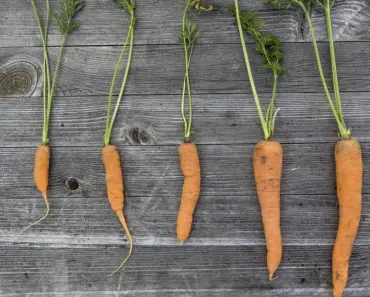
- Soil depth must be generous for root vegetables like full‑size carrots, parsnips, and deep‑rooted fruiting shrubs. These plants need vertical space to develop properly. A deep planter is heavy and permanent; build the space around it.
Match the planter depth to the crop’s root habit before you fill it. A lettuce grown in a deep bed will use only the top portion of the soil, which is fine. A carrot confined to a shallow container will fork and stall. Check the mature root depth for each plant on your list, and add space for drainage material at the base.
Watering Systems: Drip, Self-Watering, and Hydroponics
Watering consistency separates a thriving indoor garden from a struggling one. Manual watering works for a handful of pots, but a larger setup benefits from automation. Each system handles the problem differently, and the choice depends on garden size, plant types, and how often you travel.
| System | How It Works | Best For | Key Advantage |
|---|---|---|---|
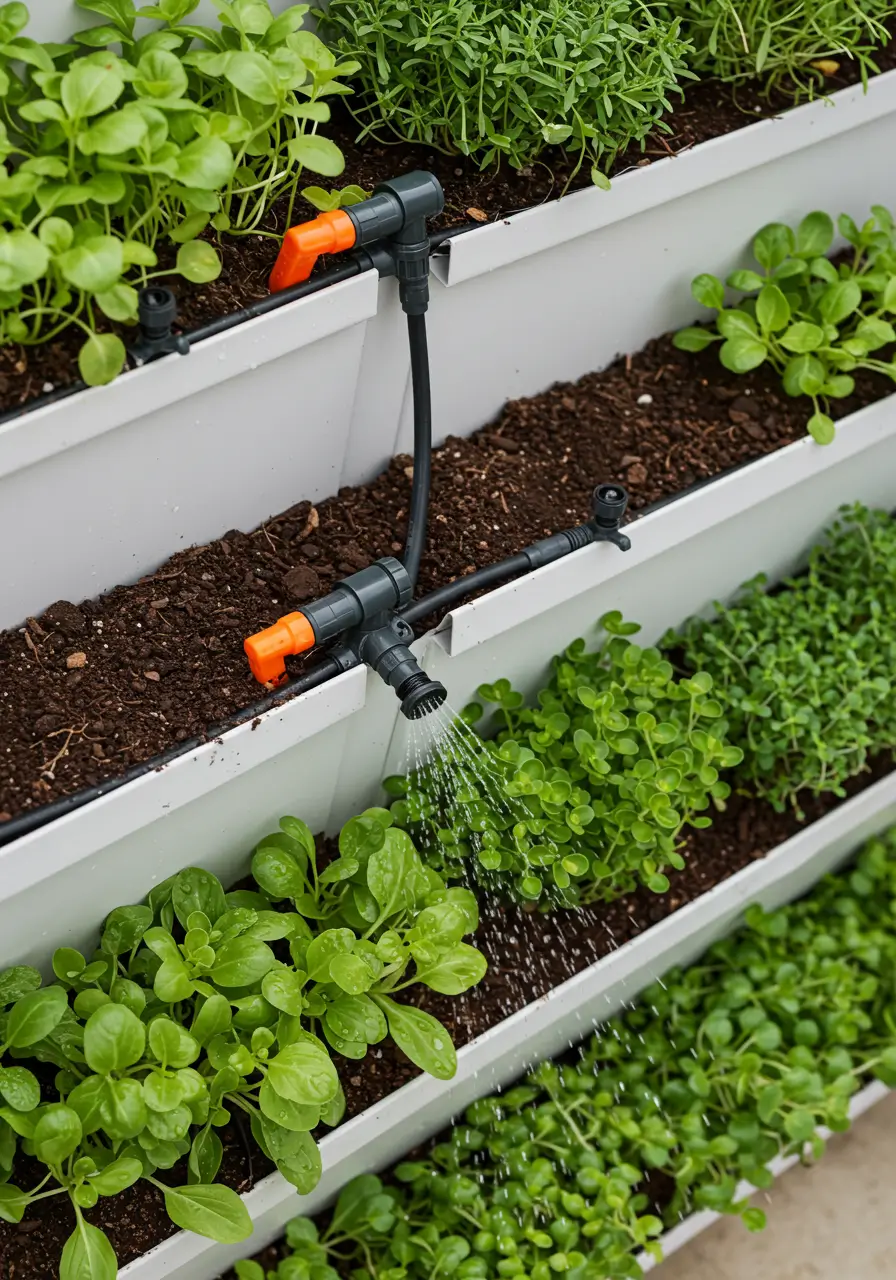
| Drip Watering | Indoor drip watering systems water plants on a timer. Emitters deliver measured amounts to each plant’s base. | Medium to large gardens with varied plant types. | Precise, programmable volume and schedule. |
| Self‑Watering Pots | Self‑watering pots and planters use a refillable reservoir to water plants automatically. Water wicks upward as soil dries. | Small gardens, individual houseplants, busy households. | Refill the reservoir once a week or less. |
| Stackable Self‑Watering | Stackable self‑watering containers create vertical gardens with hidden automatic watering systems. Water flows from the top tier down. | Vertical wall gardens, herb towers, tight spaces. | Maximizes plant count per square foot. |
| Hydroponics | Hydroponic gardens supply water and nutrients directly to plants without soil. Roots sit in an inert medium and receive a nutrient solution. | Leafy greens, herbs, rapid‑cycle vegetables. | Hydroponic gardens facilitate faster plant growth than soil-based systems. |
Hydroponics earns a closer look for anyone focused on speed and cleanliness. Roots spend zero energy searching for nutrients. No soil means no soil‑borne pathogens, which eliminates a major disease vector that indoor growers otherwise battle constantly.
The trade‑off is tighter system management. A pump failure or a pH swing affects plants in hours, not days.
Every system still depends on one fundamental rule. Planters require drainage holes and drip trays to prevent root rot. Standing water at the bottom of any container suffocates roots and invites fungal problems faster than any other mistake.
Even self‑watering designs need an overflow path. Always check that water can exit freely.
Choosing Plants: Houseplants, Vegetables, and Flowers
Plant selection turns the technical checklist into a living space. Start with plants that match your measured light and humidity, not the ones that catch your eye first. A high‑light vegetable grown in a north‑facing room will disappoint no matter how carefully you water.
- Common house plants include Spider Plant, Aloe Vera, Weeping Fig, and Jade Plant. Spider Plant and Aloe Vera tolerate occasional neglect and moderate light. Weeping Fig demands more consistent humidity and resents being moved. Jade Plant needs bright light and dry soil between waterings.
- Common indoor vegetables include beets, carrots, herbs, kale, lettuce, and mushrooms. Lettuce and herbs produce quickly under fluorescent or LED lights. Carrots and beets require the deeper planters discussed earlier. Mushrooms need darkness, high humidity, and a substrate, not soil.
- Common indoor flowers include Rose of China, Flamingo Flower, Kaffir Lily, and orchids. Rose of China (Hibiscus rosa‑sinensis) blooms in bright light. Flamingo Flower (Anthurium) handles lower light but demands high humidity. Orchids need specific temperature drops at night to trigger blooming.
Test with two or three plants before expanding the collection. A plant that survives and pushes new growth under your specific conditions tells you more than any general recommendation.
Display Methods for Your Indoor Garden
How the garden sits in the room determines both its health and how it changes the space. Light access drives the decision, but so does foot traffic, airflow, and the view from where you sit most.
- Raised Beds: Built on legs or frames, raised beds bring soil to waist height and work well against a wall with dedicated grow lights mounted above.
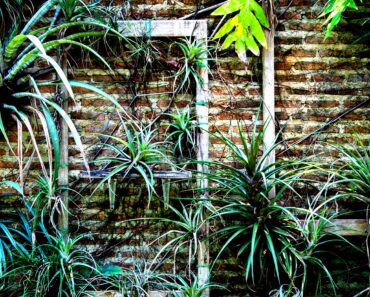
- Vertical Gardens: Wall‑mounted panels or pocket systems use minimal floor space. They suit trailing plants, ferns, and compact herbs.
- Tiered Planters: Stepped shelving places shorter plants in front and taller ones behind. Each tier catches light without shading the row below.
- Separate Pots: Individual containers allow each plant to move as light and seasons change. This is the most flexible method and the easiest to start with.
- Walled, Elevated, and Sunken Gardens: Built‑in planter boxes or recessed floor beds create a permanent architectural feature. These require careful waterproofing and drainage planning before construction begins.
Position the display where you will walk past it daily. Visibility drives care. If the garden hides in a spare room, watering and pest checks slip off the routine. Place it in the living room, kitchen, or home office, and tending it becomes as natural as adjusting the blinds.
Conclusion
An inside house garden succeeds when you match your home’s real conditions — light duration, humidity percentage, temperature range, and available soil depth — to the right plants and watering system. Measure first, then plan. A timer on the lights, a humidifier in the driest months, and a planter deep enough for the roots eliminate most failures before they begin. Start small, watch what grows, and expand from the evidence your own plants give you.
FAQ
Q: What are the basic requirements for an inside house garden?
A: An indoor garden needs sufficient light daily, adequate humidity, stable temperatures, and enough soil depth for root development. Choose appropriate plants and watering systems.
Q: How can I increase humidity for my indoor plants in winter?
A: Use humidifiers, mist leaves daily, or place water trays near plants. These solutions combat the drop in humidity common during winter months.
Q: Can I grow vegetables indoors using hydroponics?
A: Yes. Hydroponic gardens supply nutrients directly to roots without soil, leading to faster growth than soil systems. Vegetables like lettuce, herbs, and kale thrive indoors with adequate light.
Related Post: DIY Vertical Garden Ideas for Small Spaces