
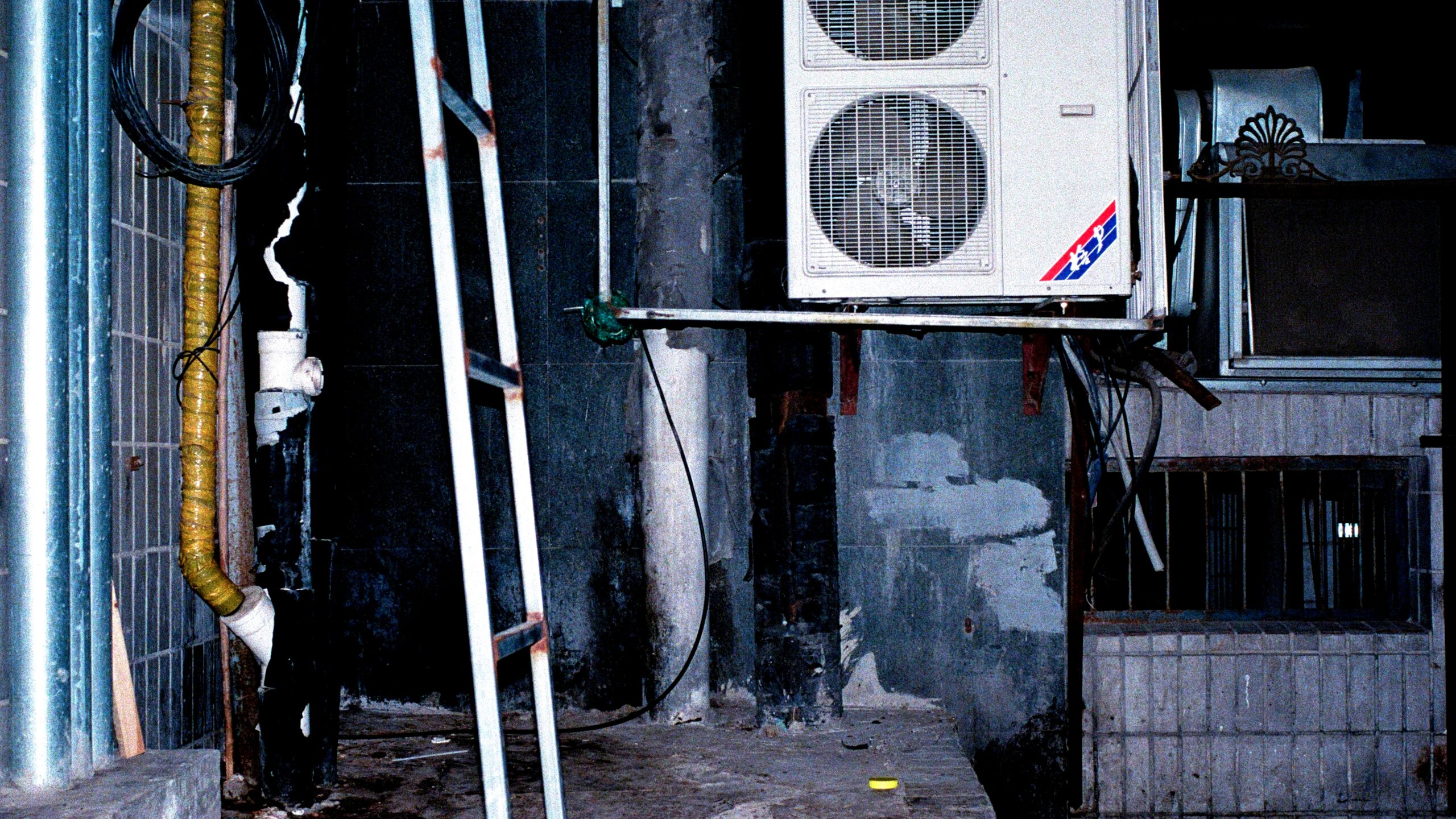
Regular maintenance is essential for efficient outdoor air conditioner repair. According to Energy Saver Home, homeowners can clean or replace filters monthly, trim foliage two feet from the condenser, clear drain channels, and inspect window seals, while qualified HVAC contractors should check refrigerant charge, clean evaporator coils, straighten bent coil fins, and verify electric controls. This simple routine prevents breakdowns and reduces energy use. Outdoor air conditioner repair is the process of diagnosing and fixing issues with the condenser unit and related components to restore efficient cooling, often involving both routine DIY tasks and professional HVAC service.
Why Does Seasonal AC Maintenance Matter?
According to Energy Saver Home, regular maintenance of air conditioner filters, coils, fins, and refrigerant lines is essential for efficient and effective performance. A clogged filter or a frost-covered coil reduces cooling capacity, forcing the compressor to cycle longer. Over a season, that extra runtime adds wear and drives up your utility bill. Start with simple DIY tasks homeowners can handle monthly.
What DIY Tasks Can I Do for Filter Care and Window Seals?
- Locate the filter – For central systems, look behind return grilles in the living space or at the indoor air handler along the return duct. Room air conditioner filters sit in the grill facing the room.
- Check for dirt – Dirty filters reduce airflow and system efficiency. As airflow drops, dirt can accumulate on the evaporator coil.
- Clean or replace – If the manufacturer’s recommendation isn’t known, clean or replace the filter as needed based on visible dirt during the cooling season.
- Inspect window seals – At the start of each cooling season, examine window seals on room air conditioners. A broken seal lets heat and moisture in.
Once filters and seals are in shape, direct your attention to the outdoor condenser unit. The unit requires at least two feet of clearance from foliage and unobstructed drain channels. Keeping these areas clear helps maintain efficient airflow and prevents water damage. This part of the checklist takes only a few minutes each season.
How Do I Keep the Outdoor Unit Clear?
- Clear the way – Foliage around outdoor condenser units should be trimmed back at least two feet to ensure adequate airflow, according to Energy Saver Home.
- Open the drains – Clear drain channels periodically with a stiff wire. Clogged drains can cause the air conditioner to shut off or overflow, risking water damage.
What Winter Protection Does My AC Need?
- Room air conditioners: cover, remove, or store them during winter.
- Central air conditioners: cover the outdoor unit to shield it from weather and debris.
- Heat pump systems: do not cover the outdoor condensing unit—it must run for heating.
While DIY care goes a long way, some tasks require a certified technician. These tasks involve inspecting and cleaning evaporator coils, straightening bent coil fins, checking refrigerant charge, and air sealing duct leakage. A technician has the tools and training to perform these tasks safely and in compliance with regulations.
When Should I Call a Professional for Coils, Refrigerant, and Airflow?
- Inspect and clean evaporator coils. Even with a clean filter, dirt collects on coils over time and impairs heat absorption. Qualified HVAC contractors have the tools to clean them safely.
- Straighten bent coil fins. Coil fins are thin aluminum pieces attached to evaporator and condenser coils. A technician uses a fin comb to restore airflow.
- Check refrigerant charge and test for leaks. An incorrect charge reduces efficiency and can damage the compressor. Any evacuated refrigerant must be captured to prevent illegal release.
- Air seal duct leakage. Central systems lose cooled air through leaky ducts. A technician measures airflow across the evaporator coil and seals identified leaks.
How Do Professionals Handle Electrical, Motors, and Controls?
Technicians verify electrical and mechanical systems to ensure proper control sequence, terminal condition, and motor lubrication. The technician confirms that heating and cooling do not run simultaneously, cleans and tightens connections, and applies non-conductive coating when needed. Motors are oiled and belts inspected for tightness and wear.
Finally, the thermostat is calibrated to prevent inefficient cycles. These steps help maintain safe and efficient operation.
Conclusion
A seasonal maintenance routine separates straightforward DIY work—filters, foliage, drains, and winter covers—from the technical calls a certified HVAC contractor should handle. Following this checklist protects the compressor, keeps energy costs in check, and helps the unit reach its expected lifespan. By sticking to this schedule, you can avoid costly repairs and ensure consistent comfort during the hottest months.
FAQ
Q: When should I call a professional for AC repair?
A: Call a professional if you notice reduced airflow, warm air, unusual noises, or a refrigerant leak. Tasks like cleaning evaporator coils, checking refrigerant, and electrical work require a certified HVAC technician.
Q: Can I clean the evaporator coils myself?
A: Evaporator coils are delicate and located inside the air handler. It’s best left to a qualified HVAC contractor who can access, clean, and straighten fins without damaging the coil.
Q: Should I cover my outdoor AC unit in winter?
A: For central air conditioners, yes, cover the outdoor unit. But if you have a heat pump, do not cover the outdoor condensing unit—it needs to operate for heating.
Q: What is the most important DIY AC maintenance task?
A: Cleaning or replacing the air filter as needed during the cooling season is the most effective DIY task. It prevents airflow loss and evaporator coil dirt buildup.