The Redwood Outdoors Alaskan Cold Plunge costs $2,000 base, plus $400 shipping. You can cool it manually with 60-70 pounds of ice daily or add a $2,700 chiller for precise 37°F temperatures. Total with all add-ons exceeds $6,000. That upfront number frames the decision every first-time buyer faces — do you save now with manual ice, or invest in a chiller that eliminates the daily hassle?
What Is the Redwood Outdoors Alaskan Cold Plunge?
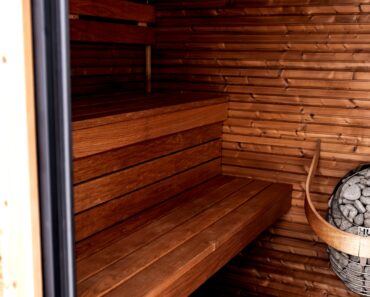
The Redwood Outdoors Alaskan Cold Plunge is a cold therapy tub with a Scandinavian Thermowood exterior and plastic interior, featuring a built-in seat and steps for easy entry. According to BarBend, the tub stands 40 inches high and 37 inches wide, with an opening that measures 31.5 inches across. The integrated steps are 21 inches wide. When you account for the step footprint, the total width is just under five feet, which means it needs a dedicated space but does not dominate a backyard or patio.
No installation is required — you position the tub, fill it with water, and it’s ready. However, temperature management is fully manual unless you add a chiller. BarBend notes that the tub relies on water and ice alone to regulate cold.
That simplicity appeals to buyers who want a straightforward setup without plumbing or electrical work. The plastic interior insulation helps hold temperature, but in warm climates, manual methods still demand daily attention.
How Much Does the Redwood Outdoors Alaskan Cold Plunge Cost?
The base price sits at $2,000, and shipping adds roughly $400, reports BarBend. That brings the total delivered cost to about $2,400 before you buy a single bag of ice or an accessory. In the cold plunge market, this lands in the middle ground — not the cheapest, but below units that bundle chillers and advanced filtration from the start. Budget-minded first-timers should treat the delivered price as the floor, because even minimalist ice cooling requires some add-ons to work well day after day.
What Are the Ice Cooling Costs for the Alaskan Cold Plunge?
Going the ice route carries a low barrier to entry but a high daily effort. BarBend found that adding 60 to 70 pounds of ice can bring the water under 50 degrees Fahrenheit during hot weather. On one test day, the team needed 100 pounds of ice just to replace what melted.
Those pounds add up quickly at the gas station or supermarket, especially in summer. Ice cost varies by region, but consistently buying 60 to 100 pounds per session can reach $10 to $20 per day.
Two optional accessories improve the ice-only experience. A fitted tub cover costs $100 and slows overnight warming and debris entry. A floating thermometer, priced around $30, lets you check the water temperature without guesswork.
Neither item is mandatory, but both cut the workload and help you hit the target cold window more reliably. Over time, the cover alone may reduce ice consumption enough to pay for itself within a few months of regular use.
If you plunge daily during a hot month, the math tilts sharply. Thirty days at $15 per day in ice adds $450. Multiply that across six warm months, and you could spend over $2,500 on ice alone in a single season. The upfront savings of skipping the chiller erode quickly once you add real-world ice costs and time spent sourcing and hauling dozens of pounds each morning.
What Does the Chiller Option Cost and Offer?
The optional chiller costs about $2,700 and changes the entire experience. BarBend confirms it can drop water temperature to 37 degrees Fahrenheit while plugging into a standard outlet — no electrician needed. A phone app allows temperature control and pre-cooling, so you can set the tub to your preferred cold before you step outside. This removes the daily ice run and the temperature uncertainty that comes with manual cooling.
For buyers who also want the ability to heat the water — perhaps for contrast therapy or winter use — a deluxe chiller and heater unit is available at approximately $3,700. Both chiller options eliminate ice cost entirely, though they add a modest increase to your electric bill. The financial crossover point depends on your plunge frequency and local ice prices.
If you plunge more than three times per week in warm weather, the chiller often breaks even within a year or two against high-volume ice purchases alone. After that, you are paying only for the electricity and water care.
What Water Maintenance and Support Does Redwood Outdoors Offer?
Cold water still needs chemical management. Redwood Outdoors sells two SpaGuard kits to keep the water clean and balanced. The Water Balancing Kit, at $100, includes an 18oz SpaGuard pH Decreaser, a two-pound SpaGuard Total Alkalinity Increaser, a 12oz SpaGuard Calcium Hardness Increaser, and AquaChek Test Strips. The Bromine Cleaning Kit costs $250 and contains a 4.5-pound container of SpaGuard Brominating Tablets, a six-pound SpaGuard Enhanced Shock, AquaChek Bromine Test Strips, and a five-inch floating bromine tab dispenser.
Warranty coverage runs one year limited, and there is a 30-day money-back guarantee on all products. If the upfront cost feels steep, Redwood Outdoors offers financing through Affirm, allowing you to split the purchase into monthly payments. This applies to the tub, chiller, and all accessories. Factoring in water care, warranty, and financing helps you see the full ownership cost beyond just the tub itself.
How Does the Alaskan Cold Plunge Compare to Other Cold Plunge Tubs?
Two familiar alternatives bookend the price range. The Ice Barrel sells for $1,200, per BarBend. It is lighter and cheaper but has no wood exterior, no integrated steps, and still relies on ice alone.
At the high end, the Inergize Cold Plunge Tub costs about $5,000, which can include a chiller and higher-end insulation. The Alaskan Cold Plunge sits between them — offering the wood aesthetic and built-in access features without the top-tier price, but also without a bundled chiller. Your choice hinges on whether you value the look and robustness of thermowood and are willing to manage ice, or if you plan to add the chiller later and want a product that supports that upgrade.
Conclusion: Ice vs Chiller – Which Cold Plunge Setup Should You Choose?
Start ice-only if your budget is tight and you want to test cold plunging before making a larger commitment. Be prepared for ongoing ice costs and daily effort. The chiller makes sense the moment you plunge more than a couple of times per week.
It locks in temperature, eliminates ice runs, and cuts the daily time requirement to seconds. The total cost of a fully equipped plunge with all premium add-ons can exceed $6,000, but the most practical setup — tub, chiller, cover, and water care — lands closer to $5,300. First-time buyers who know they will use it regularly should factor the chiller into the initial purchase. The convenience gain is immediate, and the long-term math often favors skipping the ice.
FAQ
Q: What is the total cost of the Redwood Outdoors Alaskan Cold Plunge with all add-ons?
A: The base plunge with shipping is $2,400. Adding the $2,700 chiller, $100 cover, $30 thermometer, and water care kits can push the total over $5,500. With the deluxe chiller/heater ($3,700) and all kits, it exceeds $6,000.
Q: How much ice does the Alaskan Cold Plunge need daily?
A: During hot weather, 60 to 70 pounds of ice is needed initially. One test showed 100 pounds required to replace melted ice in a single day. The amount varies with external temperature and insulation.
Q: Does the chiller require professional installation?
A: No. The optional chiller for the Redwood Outdoors Alaskan Cold Plunge plugs into a standard outlet and allows phone-based temperature control. It can drop water to 37°F without any plumbing modifications.