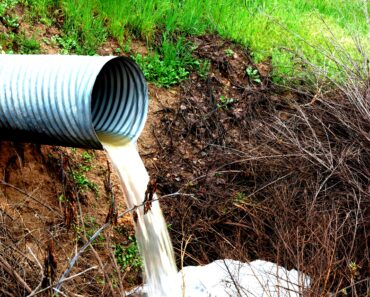
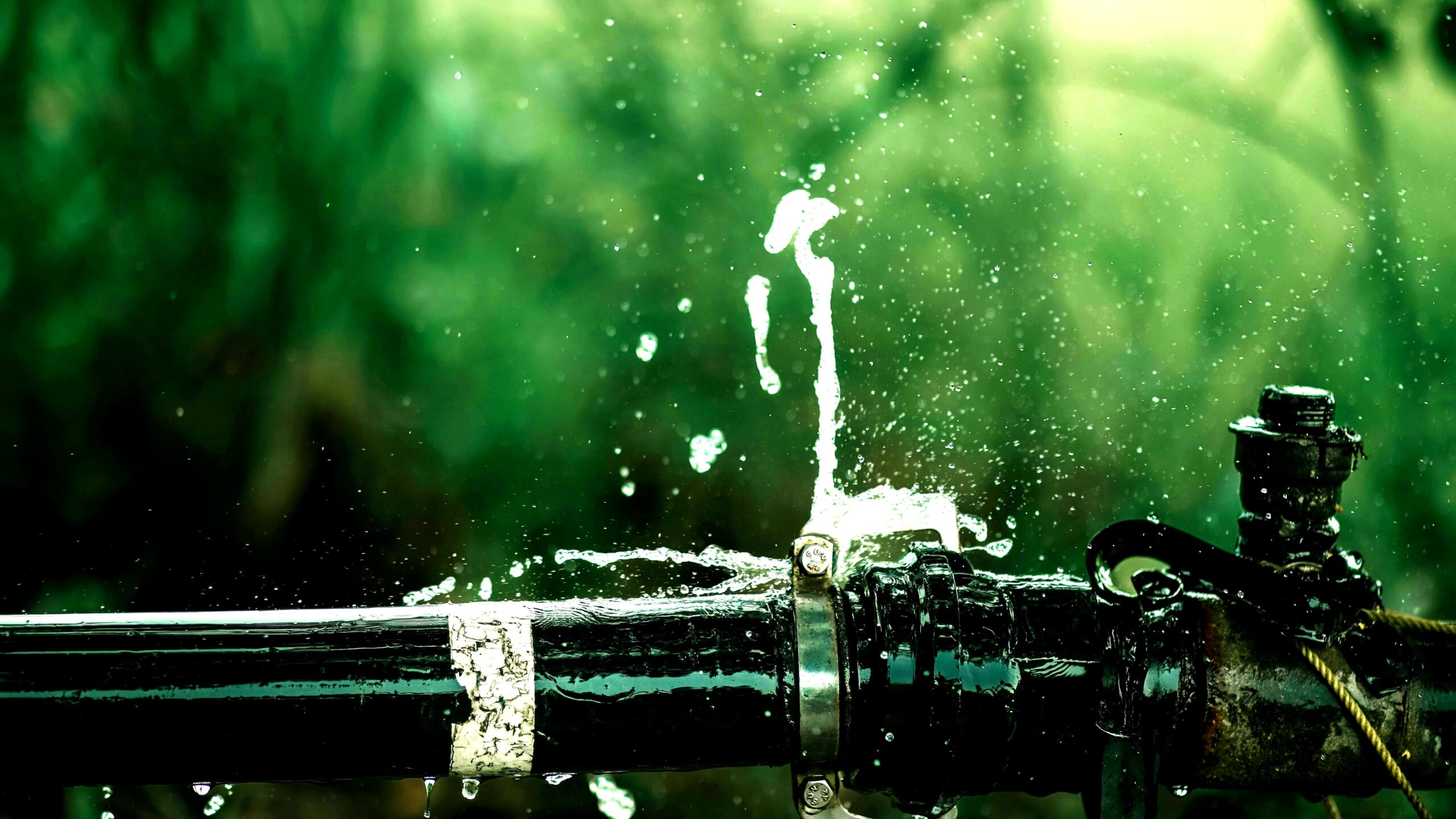
To identify an outdoor leak, look for persistent wet spots, unusually green grass, or faster snow melt. Use a water meter: turn off all water, note reading, wait 1-2 hours, check again. If meter changes, you likely have an outdoor leak in supply lines, sewer, or sprinkler system. An outdoor leak is the unintended escape of water from underground pipes—such as water supply, sewer, or irrigation lines—into the surrounding soil, often indicated by soggy patches or increased water bills.
The first clues are often visual: a stubborn wet patch, grass that stays greener than its neighbors, or a patch of snow that melts oddly fast. Yard leaks occur when water escapes from underground pipes and saturates the soil above; left unchecked, the constant moisture can erode soil, damage foundations, spike your water bill, and even cause sinkholes.
What Causes an Outdoor Leak?
Multiple forces work against underground pipes, and most failures develop slowly. Here are the common culprits you should know.
- Corrosion: Older copper pipes and galvanized steel lines corrode from the inside out, forming pinhole leaks that grow over years. Acidic soil accelerates corrosion in metal pipes, and alkaline soil can damage specific pipe materials. Road salt and lawn fertilizers also corrode service lines and break down pipe materials. Backflow preventers are especially vulnerable to chemical damage and corrosion.
- Root intrusion: Tree roots penetrate sewer lines because wastewater provides nutrients. Once inside, the roots expand, cracking pipes and blocking flow.
- Environmental stress: Freezing temperatures, settling soil, and nearby construction can crack rigid pipes. High water pressure wears on weak points over several years until a rupture occurs. PVC pipes become brittle over time due to temperature fluctuations and soil chemicals.
- Material fatigue: Even without outside interference, pipes age. PVC pipes can grow brittle, and metal pipes thin from internal corrosion. The soil’s chemistry—acidic or alkaline—directly influences how fast that degradation happens.
How to Detect an Outdoor Leak Yourself
You can often pinpoint an outdoor leak without specialized equipment. Work through these steps before calling a plumber.
- Scan the yard visually: Walk the property during dry weather. Persistent wet spots and soggy areas that don’t dry out are strong indicators of underground leaks. Unusually green grass patches can signal a water leak, and snow melting faster over specific spots may mean warm water sits just below the surface.
- Listen for unusual sounds: Stand near your main water line entrance. Hissing or rushing water sounds in pipes when no water is running indicates a leak. Pay attention early in the morning or late at night when ambient noise is low.
- Check indoor water flow: Reduced water flow at plumbing fixtures and weak streams from faucets often point to a supply line issue. If multiple fixtures lose pressure suddenly, the leak is likely on the main line.
- Perform a water meter test: Locate your water meter. Turn off all water inside and outside the house, including sprinklers and ice makers. Note the meter reading, wait one to two hours without using any water, then check the reading again. If the meter changed, you likely have a leak. This test works for supply lines under constant pressure.
These steps will identify most surface-level and pressurized-line leaks. When the signs are subtle or you cannot isolate the source, professional tools offer deeper resolution.
When to Call a Professional for Leak Detection
Sometimes the leak hides where your eyes and ears cannot reach. Licensed plumbers bring detection equipment that locates the exact problem spot without guesswork.
Acoustic sensors detect the sound of water escaping from pressurized pipes. A technician presses a ground microphone along the suspected line, and the amplified noise pinpoints the leak. Infrared cameras identify temperature differences caused by subsurface water; a warm patch in the soil shows up clearly when cooler surrounding ground is dry.
Ground-penetrating radar maps underground pipes and highlights anomalies such as voids or saturated soil where water has escaped. These three methods often work in combination. For complex systems, pressure testing isolates a section of pipe: a technician pumps air or water into the line and monitors for pressure drop that indicates a leak inside that segment.
These tools are not available at rental counters, and using them effectively requires training. When your water meter test confirms a leak but you cannot see it, call a licensed plumber who carries this gear.
Understanding Your Home’s Underground Plumbing
Your yard hides a network of pipes, and knowing what runs where gives you a head start on diagnosis. Water supply lines transport fresh water from the street main water line to the home. These pipes remain under constant pressure, so even a pinhole leak can waste a significant amount of water quickly.
Sewer lines transport wastewater from the house to the municipal system or septic tank. Sewer line cracks can create soggy areas and produce foul odors or dirty water at the surface—a clear signal you are dealing with a sewer leak, not a supply leak.
Irrigation and sprinkler systems operate under pressure only when active, so a leak here may appear only during or shortly after watering cycles. Main shut-off valves are typically located near the water line entrance to the house or near the water heater; turning this valve cuts all water to your property and helps you rule out interior plumbing during tests.
Identify each type of line on your property map if you have one. Understanding which line runs where lets you connect a soggy patch to its likely source—saving hours of digging and guessing.
Comparing Repair Methods for Outdoor Leaks
The right fix depends on the pipe type, location, and extent of damage. Two main trenchless methods often compete with traditional excavation, and sprinkler head repair has its own quick approach.
| Repair method | How it works | Best for |
|---|---|---|
| Pipe lining | An epoxy-coated liner is inserted into the existing pipe and inflated, curing to form a new interior pipe. | Small cracks or pinhole leaks in sewer lines, where the pipe still retains its shape. |
| Pipe bursting | A bursting head breaks apart the damaged pipe while simultaneously pulling a new pipe into the same path. | Severely collapsed or root-damaged pipes that cannot be lined. |
| Traditional excavation | A trench is dug to expose and replace the damaged section completely. | Extensive damage, pipe material incompatible with trenchless methods, or areas where trenchless equipment cannot access. |
| Sprinkler head replacement | The broken head is unscrewed and replaced with a matching new head; no pipe repair is needed unless the riser is also damaged. | Obvious physical damage to a sprinkler head that causes flooding or uneven spray. |
Broken sprinkler heads are repaired by replacement—a straightforward fix that takes minutes. For underground mains, pipe lining and pipe bursting both avoid tearing up an entire yard, but they require professional installation and cost more upfront than digging. Your choice hinges on the pipe’s condition and your landscape’s tolerance for disruption.
Conclusion
A soggy lawn or climbing water bill deserves immediate attention. Start with a visual check and a water meter test to confirm the leak, then trace the likely pipe type—supply, sewer, or irrigation. Simple root causes like a cracked sprinkler head or a small corrosion pinhole often have quick fixes, while aggressive tree roots or collapsing pipes call for trenchless repairs or excavation.
The method you choose should balance cost, landscape impact, and pipe condition. Acting early stops water waste, prevents structural damage, and keeps your yard safe and dry. When the source stays hidden, a plumber’s acoustic or thermal tools will locate it without unnecessary digging.
FAQ
Q: How do I know if my sprinkler system has an outdoor leak?
A: Look for wet spots when sprinklers are off, unusually green grass, or a sudden increase in water bill. Check sprinkler heads for damage.
Q: Can tree roots cause sewer line leaks?
A: Yes. Willow trees, Poplars, and Oak trees have aggressive root systems that can penetrate sewer lines, attracted by the nutrients in wastewater.
Q: What is the most common cause of pinhole leaks in outdoor pipes?
A: Corrosion. Older copper pipes and galvanized steel lines corrode from the inside out, especially in acidic soil, developing pinhole leaks over time.