Garden tools and their uses vary by task. For digging and planting, use a hand trowel or a long-handled spade. Bypass pruners make clean cuts on branches without damaging stems.
A garden rake smooths soil for seedbeds, while a soaker hose delivers steady water to crops. Choose tools based on the specific job to work efficiently. Garden tools and their uses refer to the specific functions each tool performs in gardening tasks, such as digging, pruning, watering, and weeding, to maintain a productive and manageable garden.
Which Digging and Planting Tools Do You Need?
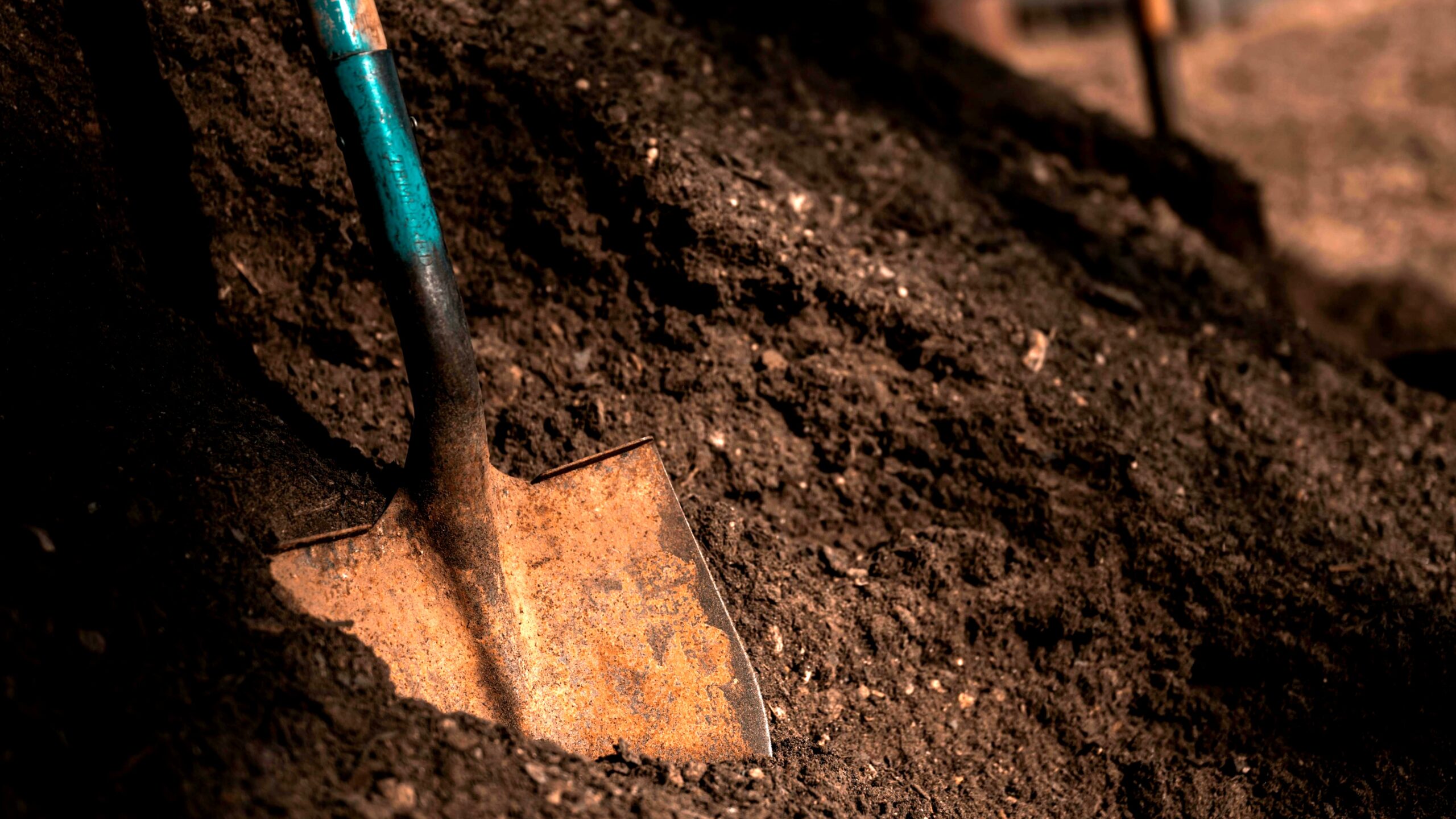
A vegetable garden needs a range of digging tools for different tasks. Essential digging tools include a hand trowel for small holes, a long-handled spade for straight-sided holes, a long-handled shovel for moving soil, a garden fork for turning soil, and a hori-hori knife for planting and weeding. Each tool handles a specific soil job. Once the soil is opened up, cutting tools handle the next layer of work.
Which Cutting and Pruning Tools Should You Choose?
Clean cuts keep plants healthier, so choose pruners and scissors matched to stem thickness and task. Key cutting tools include bypass pruners for living branches (they create clean cuts that heal quickly), anvil pruners for dead wood (they can crush stems so best for dead wood), garden scissors for delicate stems, and telescope pruners for high branches. Garden scissors are ideal for deadheading and snipping herbs. With pruning covered, watering tools become the next priority.
What Watering Tools Keep Your Garden Hydrated?
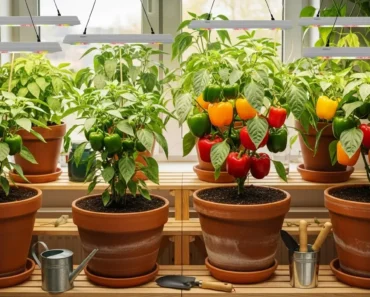
Consistent moisture at root level grows stronger crops, so pick watering tools that match the size of your beds. Essential watering tools include a watering can (at least 2 gallons), a quality rubber hose with nickel-plated brass couplings, a soaker hose that delivers water slowly, and a watering wand for reaching hanging baskets. A soaker hose keeps foliage dry to reduce disease.
A garden hose with nickel-plated brass couplings resists kinks. Before planting, soil preparation and weeding tools deserve a close look.
Which Tools Prepare Soil and Remove Weeds?
A level seedbed and clean planting rows depend on rakes, hoes, and hand cultivators. Key tools include a garden rake for smoothing soil, a leaf rake for gathering leaves, a hand fork for weeding in containers, and a garden hoe for severing weeds. A garden hoe creates furrows for sowing.
The short tines of a hand fork loosen crusts around plants. Beyond core tasks, comfort and transport tools make the work easier.
What Comfort, Transport, and Monitoring Tools Help?
Protect your body and move materials efficiently to keep gardening enjoyable. Essential comfort and transport tools include waterproof gardening gloves, a padded kneeler to reduce knee pressure, a wheelbarrow (heavy-duty plastic is best for home gardeners), and a soil monitor to check water and pH levels. A soil monitor helps you adjust before plants show stress.
A wheelbarrow made of heavy-duty plastic resists rust and weighs less. Gloves with waterproofing preserve grip during digging.
Conclusion
You need a hand trowel, a spade or shovel, a garden fork, bypass pruners, a rake, a hoe, a soaker hose, and a watering can to start. Gloves, a kneeler, and a wheelbarrow make the work safer and faster. Buy tools that feel balanced in your hands and store them dry after each use. Step outside and break ground with the right tool for the task — your first season will teach you the rest.
FAQ
Q: What is the difference between bypass and anvil pruners?
A: Bypass pruners use a top blade that slices past the bottom blade, creating clean cuts that heal quickly. Anvil pruners chomp down onto the bottom blade, which can damage stems. Bypass pruners are better for living plants.
Q: What tools are needed for digging a vegetable garden?
A: Essential digging tools include a hand trowel for small holes, a long-handled spade for straight-sided holes and cutting roots, a long-handled shovel for moving soil, a garden fork for turning soil, and a hori-hori knife for planting and weeding.
Q: What is the best watering tool for a vegetable garden bed?
A: A soaker hose delivers water slowly and steadily directly to the soil at the base of plants, minimizing evaporation and keeping foliage dry. It is ideal for rows of vegetables.