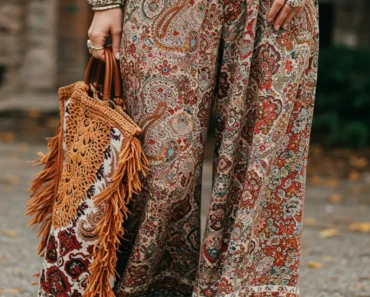

To find your style as a woman, start by identifying your body shape—pear, hourglass, inverted triangle, rectangle, apple, or athletic—then choose cuts that flatter it. Pair those choices with colors that match your skin tone: earthy shades for warm, jewel tones for cool. Build from quality basics and a style mood board. Finding your personal style as a woman is the process of selecting clothing cuts and colors that align with your body shape and skin tone, resulting in a wardrobe that reflects your identity and sidesteps fast-fashion trends.
How to Identify Your Body Shape
Nail down your body shape first. The process shifts focus from generic trends to what actually fits your frame, and it removes the guesswork when a new season arrives. According to the 8 Keys to Find your Personal Style, six main shapes define the female silhouette.
Pear body types are characterized by wider hips than shoulders and a narrower upper body. Hourglass body types are characterized by balanced bust and hips with a well-defined waist. Inverted triangle body types are characterized by broader shoulders than hips.
Rectangle body types are characterized by similar width in shoulders, waist, and hips. Apple body types are characterized by a wider midsection with slimmer legs and arms. Athletic body types are characterized by a well-toned, straight up-and-down look.
Dressing for Pear Body Types
Pear-shaped women carry more weight below the waist. Drawing the eye upward creates balance.
- A-line silhouettes: A-line skirts and dresses highlight the waist and enhance the lower body for pear body types.
- Bold tops: Brightly colored tops draw attention upward for pear body types.
- Wide necklines: Boat-neck and scoop-neck tops widen the shoulder area for pear body types.
- Structured layers: Structured jackets define the waist and add volume to the upper body for pear body types.
Dressing for Hourglass Body Types
An hourglass figure has a clear waistline with a bust and hips in proportion. The goal is to follow that natural curve without hiding it.
- Wrap styles: Wrap dresses emphasize the waist and flatter the bust and hips for hourglass body types.
- High-rise cuts: High-waisted skirts and pants accentuate the waistline for hourglass body types.
- Close-fitted knits: Fitted tops showcase the waist without adding extra volume for hourglass body types.
Dressing for Inverted Triangle Body Types
Broader shoulders define this shape. Add visual weight to the lower half while softening the upper body.
- Volume bottoms: Wide-leg pants and full skirts add volume to the hips for inverted triangle body types.
- Dark solids on top: Dark, solid colors for tops minimize the upper body for inverted triangle body types.
- Deep necklines: V-neck tops narrow the shoulder width for inverted triangle body types.
Dressing for Rectangle Body Types
A straight up-and-down shape benefits from cuts that create the illusion of curves. Cinching and layering are your best tools.
- Belted waists: Belted dresses and tops create curves by cinching the waist for rectangle body types.
- Strategic layering: Layered tops add dimension and volume for rectangle body types.
- Structural details: Ruffled and peplum tops provide shape to the silhouette for rectangle body types.
Dressing for Apple Body Types
With a wider midsection and slimmer legs, the focus shifts to elongating the torso and highlighting the limbs.
- Raised waistlines: Empire waist tops and dresses draw attention away from the midsection for apple body types.
- Clean trouser lines: Straight-leg pants showcase slim legs for apple body types.
- Vertical lines: V-neck tops elongate the torso for apple body types.
Dressing for Athletic Body Types
A toned, straight frame can handle volume and texture beautifully. Soften the silhouette and add curves with fabric choice.
- Waist definition: Belted waists highlight or create a waistline for athletic body types.
- Rich texture: Textured and ruched fabrics add volume and femininity for athletic body types.
- Curved necklines: Scoop necks and sweetheart necklines soften the silhouette for athletic body types.
How to Choose Colors for Your Skin Tone
Determining your skin’s undertone is just as critical as knowing your measurements. The right color adds life to your face and makes a simple outfit look expensive, while a clashing shade can wash you out entirely. A quick method involves holding a piece of stark white fabric next to your face, then holding an off-white or cream fabric.
If white flatters you more, your undertones are likely cool. If cream wins, you lean warm.
Warm skin tones may glow in earthy shades—think camel, rust, olive, and mustard. These pigments mirror the golden warmth under the skin, creating harmony rather than contrast. Cool skin tones may shimmer in jewel tones. Sapphire, emerald, and amethyst reflect a bluish-red undertone and make the complexion look crisp and balanced.
Building a Sustainable Wardrobe
A wardrobe that fits your body and suits your coloring lasts longer than any impulse buy. It starts with a visual plan and a tight edit of high-quality staples. Instead of chasing weekly micro-trends, you invest in pieces that work together across seasons.
- Create a digital mood board: A style mood board can be created digitally on platforms like Pinterest. Pin images of outfits, textures, and colors that match your body shape and skin tone profile.
- Invest in quality basics: Quality basics include items such as a crisp white shirt, tailored trousers, and a little black dress. These three pieces serve as the backbone for dozens of combinations.
- Consider custom alternatives: Custom clothing is suggested as an alternative to the fast fashion industry. A tailored garment made for your exact proportions eliminates fitting rooms and landfill waste.
Conclusion
Style is a practical skill based on measurement and color, not mystery. Measure your shoulders, bust, waist, and hips to name your body shape, then shop for the specific cuts that balance it. Pair those silhouettes with earthy or jewel tones depending on your skin’s undertone.
Anchor everything with a tight edit of quality basics and a clear mood board. The result is a closet that fits your frame and stops you from buying pieces that hang unworn.
FAQ
Q: How do I determine my body shape?
A: Measure your shoulders, bust, waist, and hips. Compare the widths: Pear has wider hips, hourglass has balanced bust and hips with a defined waist, inverted triangle has broader shoulders, rectangle has similar width all around, apple has a wider midsection, and athletic has a straight up-and-down silhouette.
Q: What colors should I wear for my skin tone?
A: If you have warm undertones, earthy shades like olive, rust, and camel make you glow. Cool undertones shimmer in jewel tones such as emerald, sapphire, and amethyst. Test by holding a white vs. cream fabric near your face.
Q: How many quality basics do I need to start a sustainable wardrobe?
A: Start with three essentials: a crisp white shirt, tailored trousers, and a little black dress. These classics mix with other pieces and reduce reliance on fast fashion.
Related Post: How to Find Your Personal Attire Style: A Beginner’s