When my garden erupted in a sea of vivid blue this spring, I felt a small thrill of triumph. After a long, gray winter, the sudden wash of color felt like a gift I hadn’t earned. The blooms lined my borders, spilled through the hedges, and even popped up between the rosemary and thyme in the herb patch. It wasn’t until I spotted the same shock of blue pushing through cracks in a neighbor’s patio and colonizing the edge of the soccer field that the thrill curdled into suspicion. Those gorgeous, generous flowers were not a charming fluke. They were invasive blue spring flowers on the move.
What I eventually dug up—both in the soil and in my research—was that I was hosting an army of Spanish bluebells (Hyacinthoides hispanica). Far from the delicate native bluebells I’d pictured, these plants are built to conquer. Here are seven distinct ways they manage to spread and dominate, one beautiful sprout at a time.
1. The Surprise of Blue Blooms
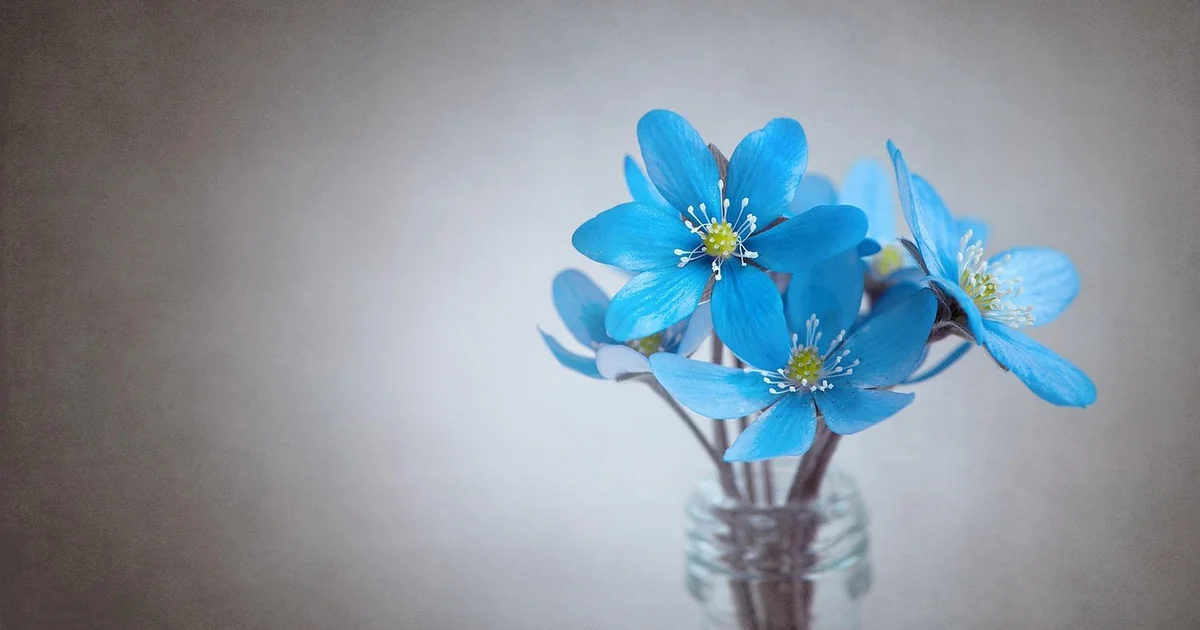
The invasion starts so innocently: a few nodding, bell-shaped flowers in an intense cobalt blue that feels almost luminous against fresh spring greenery. Many gardeners, myself included, mistake them for native species and welcome them without question. Once those first flowers appear, however, the clock is ticking. Spanish bluebells rarely settle for a single clump; they are already building the infrastructure for a much larger takeover. Recognizing them early is the first defense, because by the time you realize they’re not the friendly natives you assumed, they’ve likely been seeding and bulbing for a full season.
2. Why They Spread So Fast
Spanish bluebells combine two powerful reproductive strategies. Each plant produces a large number of seeds that scatter widely, and underground the bulbs multiply steadily, forming dense, interconnected clumps. This dual approach allows a single patch to thicken in place while simultaneously launching outposts several feet away. A heavy spring rain can wash seeds into new territory, and the energy stored in those bulbs means young plants emerge robustly even in poor soil. In only two or three seasons, a handful of plants can become a thick carpet that suffocates slower-growing neighbors.
3. Overwhelming Native Wildflowers
Those dense mats do more than look aggressive; they actively push out more delicate native plants. In woodland edges, hedgerows, and garden borders, Spanish bluebells leaf out early, hogging sunlight before many native spring ephemerals have gathered strength. Over time, species like native bluebells, trilliums, and bloodroot simply cannot compete for the same pocket of soil. The result is a steady thinning of local plant diversity, which ripples outward to affect the insects, birds, and other wildlife that depend on those native flowers for food and shelter.
4. Hybridization: Diluting the Genetic Line
In the United Kingdom, where native bluebells (Hyacinthoides non-scripta) are a beloved national treasure, Spanish bluebells present an additional, quieter threat. The two species can cross‑pollinate, producing fertile hybrids that look increasingly like the invasive parent. With each generation, the distinctive characteristics of the native bluebell—narrower leaves, a sweeter scent, and deeper blue‑violet bells—are eroded, creating a diluted genetic line that is harder to protect. In the United States, while no native bluebell equivalent exists in most regions, the same aggressive pollination can still outcompete other spring‑blooming plants that share the same insect visitors.
5. Less Nourishing for Pollinators
Spanish bluebells do attract bees and other early‑season pollinators, but those visits can be deceptive. They are not as nutritionally valuable for pollinators as some native wildflowers. Think of it as a fast‑food stop instead of a well‑balanced meal: the nectar and pollen offer a quick energy hit but lack the richer profile that certain specialist insects need. When an area becomes dominated by these less nutritious blooms, pollinators may struggle to find the high‑quality forage they require, even though the garden looks like a buffet.
6. Why Keep Them?
Even after learning all this, I confess I do not hate them. A full spring display of brilliant blue is uplifting in a way that feels medicinal after a long winter. From a purely pragmatic angle, Spanish bluebells are incredibly low‑maintenance, filling bare spots effortlessly and softening harsh edges along paths and fences. For a busy gardener, there is genuine appeal in a plant that simply shows up, thrives in full sun or partial shade, and asks for very little. The tension between their destructive habits and their undeniable beauty is the messy, human heart of the matter.
7. How to Manage These Invasive Blue Spring Flowers
Putting a complete stop to Spanish bluebells is a project of persistence rather than a single‑weekend chore. Because they spread both by seed and bulb, you must remove the bulbs thoroughly—ideally while the plants are still visible in spring, when their leaves make them easy to target. Dig deeply to extract the entire bulb, as even a small fragment left behind can regenerate. For gardeners who cannot bear to eliminate every last bell, deadheading each flower stalk before it sets seed can dramatically slow the invasion, though it won’t stop the underground bulblets. Some growers combine physical removal with careful thinning of dense clumps each year, keeping the population to a manageable, contained patch.
You may also enjoy reading: English Edge: 7 Pro Landscaper Border Tricks.
Better Alternatives to Spanish Bluebells
If you want that same wash of spring blue without the ecological fallout, several native and well‑behaved plants can step in beautifully. Virginia Bluebells (Mertensia virginica) offer that same soft, bell‑shaped flower in a clear sky‑blue that gradually shifts to pink, and they are cherished by early‑season bees. Blue Eyed Grass (Sisyrinchium angustifolium) delivers a tidy clump of grassy foliage topped with tiny star‑shaped blue blooms; it stays in place and mingles politely with other perennials. For moister spots, Great Blue Lobelia (Lobelia siphilitica) provides tall spires of intense blue in late summer, extending the blue season without the creeping takeover. All three alternatives respect garden boundaries while still giving you that cool, calming palette.
Frequently Asked Questions
Are all blue spring flowers invasive?
No, many blue spring flowers are perfectly well‑behaved and native to their regions. The problem typically arises with specific species like Spanish bluebells, which combine aggressive seeding and bulb multiplication. Flowers such as Virginia Bluebells, Blue Eyed Grass, and Great Blue Lobelia are native alternatives that provide blue color without the invasive tendencies.
How can I tell Spanish bluebells apart from native bluebells?
Spanish bluebells have broader leaves, thicker stems, and a more upright, pale‑to‑mid‑blue flower that lacks the strong sweet fragrance of native British bluebells. Their flowers spiral around the stem rather than hanging primarily from one side, and they often have blue pollen, while native bluebells typically have creamy white pollen. If you garden in the United States, the likelihood of encountering a genuinely native bluebell is extremely low, so any large, spreading clump of blue bells is likely the Spanish species.
Can I completely remove invasive blue spring flowers without chemicals?
Yes, though it takes patience. The most effective non‑chemical method is to dig out every bulb during spring when the leaves mark their location. Sieving the soil to catch small bulb fragments can reduce regrowth. Pairing removal with consistent deadheading for several seasons will eventually starve the bulbs and prevent new seeding, but you must stay vigilant for any sprouts that reappear the following year.
Those waves of blue still appear in my garden each spring, though I now keep them on a short leash. I thin the clumps, deadhead ruthlessly before seeds ripen, and every few weeks I pull a stray bulb from the hedge line. It is a careful, ongoing negotiation—admiring the untamed color while refusing to let it rewrite the whole landscape. And every time I spot a patch of Virginia Bluebells planted by the fence, I’m reminded that gorgeous blue does not have to mean invasive blue.