If your bedroom still relies on a sea of beige, pillows stacked high, or a furniture set that looks like it arrived in one box, designers have a gentle warning. Some of the most common bedroom styles outdated by today’s standards are quietly making spaces feel less personal, less restful, and a little too predictable. Below, the pros weigh in on the looks they’re leaving behind and what to do instead to bring back warmth, character, and true comfort.
What’s Wrong with Neutral Bedrooms?
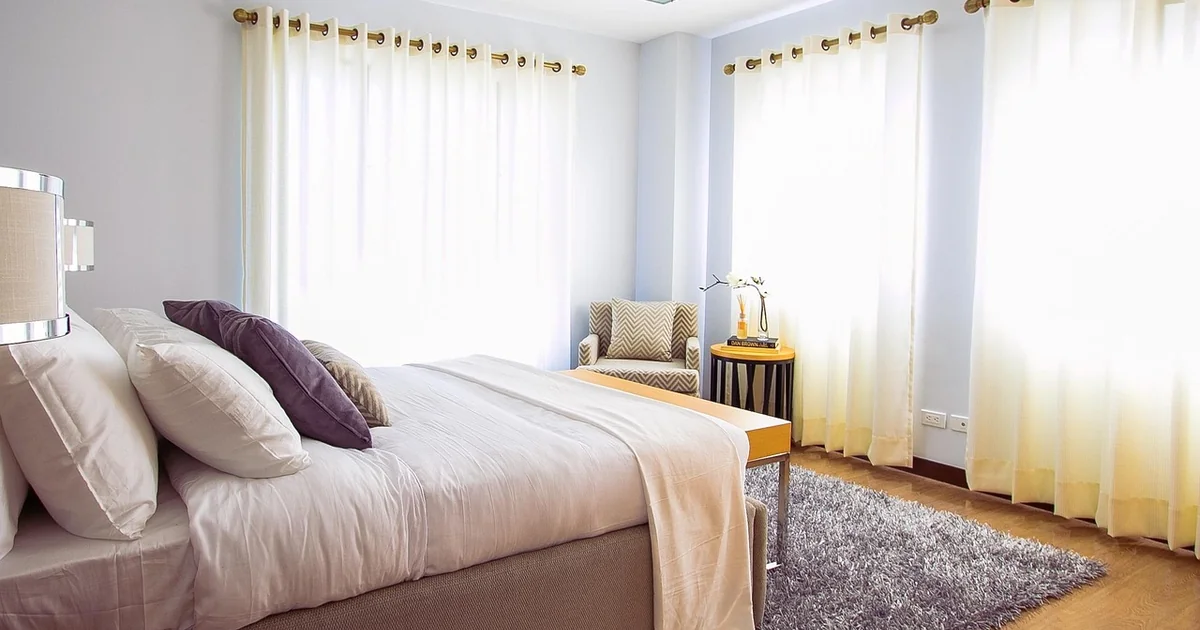
For years, all-neutral palettes promised a serene, hotel-like escape. But the pendulum has swung. Designers are moving away from restrained, monochromatic schemes toward colorful, layered bedrooms that feel lived-in and deeply personal. The problem with an entirely neutral room isn’t the calm—it’s the lack of depth. When walls, bedding, and furniture all fall within the same narrow tone, the eye has nowhere to rest and nothing to discover.
Fiona Leonard, an interior designer, explains that bedrooms rich in color are taking center stage. She recommends mixing multiple patterns alongside new and vintage furniture to build a rich landscape for the eye. A quiet modern bedroom can still be a place of rest, but a few carefully chosen stimuli—artwork, textured millwork, or an antique piece—make the space feel alive rather than sterile. If committing to a full color scheme feels daunting, even one standout item adds personality. Consider swapping a plain nightstand for a vintage commode with veined marble, which introduces both material interest and a gentle hint of history.
How to Introduce Color Gradually into a Neutral Bedroom
If your room is already decked out in creams and taupes, you don’t need to repaint every wall. Start with textiles. A floral quilt, a set of warm terracotta sheets, or a patterned throw at the foot of the bed can shift the mood in an afternoon. After that, layer in one piece of antique furniture with intricate detailing—something that carries its own story. Small changes, like swapping neutral pillowcases for ones with a subtle print, teach the eye to enjoy variety without disrupting the overall calm. The goal is a space that feels curated, not catalog-ordered.
Are Pillows Overdone?
Walk into many bedrooms and you’ll see beds drowning in a sea of decorative cushions. While a few well-chosen pillows can add a soft touch, designers we spoke with are clear that the pillow-laden look is on its way out. An overflowing bed feels fussy rather than inviting, and it often complicates the simple act of settling in at night. The new rule is less is more, with character coming from architectural details and intentional accessories elsewhere in the room.
Instead of piling on pillows, add dimension through wallpaper, a textured rug under the bed, or trim work like board-and-batten paneling. These elements draw the eye around the room and create a sense of fullness without making the bed feel like a display counter. A single lumbar pillow in an unexpected fabric can still offer a finishing note, but the days of arranging a dozen cushions each morning are fading fast.
How to Replace a Pillow-Laden Bed with Wallpaper, Rugs, or Millwork
If your bed currently hosts a small mountain of shams and bolsters, try removing all but two sleeping pillows and one decorative accent. Then shift your attention to the wall behind the bed. A graphic wallpaper in a quiet tone, or a painted accent wall framed by simple molding, anchors the space and gives it a focal point stronger than any pillow arrangement. A rug with a subtle pattern placed beneath the lower two-thirds of the bed also helps ground the room. These changes ripple outward, making the entire bedroom feel more thoughtfully composed while your bed regains its role as a place of rest.
Is Boho Style Dead?
The free-spirited, macramé-draped, gallery-wall-heavy boho bedroom once felt like a breath of fresh air. According to interior designer Taylor Fusco, however, that particular moment has passed. Busy wall hangings and crowded photo displays can read as visual clutter in a room meant for decompression. The pendulum is swinging toward a calmer, more minimal approach that still carries warmth.
Fusco suggests achieving a zen retreat with Roman clay paint, which adds subtle plaster-like texture to walls without competing for attention. Wooden ceiling beams introduce an organic, grounded quality, and leaving some walls intentionally bare gives the eye a place to rest. This updated take preserves the relaxed, soulful vibe that drew people to boho in the first place, but it does so through materials and open space rather than through an abundance of objects.
What to Do If You Love Boho but Worry It Looks Dated
You can keep the boho spirit alive by swapping quantity for quality. Instead of a full gallery wall, select one large textile hanging or a single woven piece with subtle fringe. Replace a collection of small plants with a single statement fiddle-leaf fig in a handcrafted pot. The key is editing down to pieces that feel authentic rather than thematic. Roman clay finishes and rustic wood beams still nod to nature and craftsmanship without screaming “boho.” The result is a bedroom that feels grounded and current, not like a trend that’s overstayed its welcome.
How to Update Coastal Decor?
Coastal bedrooms have long been a go-to for their breezy, light-filled charm. But designer Taylor Bowling points out that the theme has become overdone, predictable, and too matchy. When every accessory reinforces the same nautical or beachy motif—rope mirrors, anchor prints, shell-covered lamps—the room loses its originality and starts to feel like a vacation rental rather than a true home. Bowling believes the overly coastal look has run its course and now feels dead creatively.
The fix is to pull back sharply. Instead of a full-blown theme, use only hints of coastal influence. A single piece of driftwood art, a soft blue-gray throw, or a sisal rug can whisper “shoreline” without shouting it. The rest of the room should be built around calm, layered neutrals and mixed textures that stand on their own. This way, the seaside influence becomes an accent rather than the entire story.
Subtle Ways to Keep a Coastal Vibe Without Overdoing It
Choose one or two design aspects that feel organically coastal. Perhaps you select a colorway inspired by sea glass—soft sage green, watery blue, and sand—and use it sparingly in bedding or a single upholstered chair. Or you bring in minimal decor accents, like a ceramic jug with a glazed, wave-like finish. The room should still work beautifully if those few coastal touches were removed. That restraint is what makes the difference between a timeless, serene space and a theme that’s ready to be packed away.
Why Avoid Matching Sets?
Furniture showrooms have long sold the dream of a cohesive bedroom in one purchase: bed, nightstands, and dresser all finished in the same stain and hardware. But designers have been saying for years to skip the matching sets, and Taylor Bowling agrees that this approach is now firmly among the bedroom styles outdated by today’s design standards. A room where every piece shares a uniform look tends to feel flat and without a point of view.
A bedroom should reflect individuality and style, mixing old and new to give the room interest. Buying pieces from all over—a vintage dresser here, a modern upholstered bed frame there—tells a story and creates a space that feels assembled over time. The slight tension between a sleek nightstand and a weathered wood armoire adds layers that a matching set can rarely produce. It’s the difference between a staged catalog image and a space that welcomes you home.
How to Mix Old and New Furniture Without the Room Looking Mismatched
The trick is to find a common thread. If you pair a mid-century modern dresser with a reclaimed wood bed, tie them together through a shared color temperature or through hardware in a similar metal finish. A unifying rug or consistent lighting—such as wall sconces in brass across different eras—helps the eye move easily around the room. Start with one antique piece that you genuinely love, then build outward. Over time, you’ll create a bedroom that has character and warmth, free from the impersonal feel of a matching set.
You may also enjoy reading: 7 Off-White Paint Colors Designers Use on Repeat.
The Shift from All-White Bedding to Colorful Linens and Vintage Quilts
All-white bedding has enjoyed a long reign as the default for crisp, fresh bedrooms. But as the broader move away from neutral-only design gains momentum, designers are steering toward bedding with color, pattern, and texture. The all-white look can feel stark or like a blank canvas that never gets filled in. Instead, adding pops of brightness through colorful, floral linens or a vintage quilt makes the bed a focal point of personality.
A patchwork quilt handed down through your family, or one you discover at a flea market, introduces a sense of history that no stark white duvet can match. Even a subtle shift—like swapping a white coverlet for one in a soft, botanical print—changes the room’s entire energy. The bed still feels clean and inviting, but now it also feels alive and uniquely yours. And on chilly mornings, a layered bed with a quilt folded at the foot is both practical and beautiful.
Alternatives to All-White Bedding That Still Feel Restful
If the thought of bold color makes you nervous, begin with gentle, muted tones. A linen duvet cover in sage green or dusty rose reads almost as neutral but brings more depth than pure white. Look for bedding with small-scale patterns—delicate stripes, faded florals, or hand-blocked prints—that offer visual interest without overwhelming the room. Pair these with textured throws in natural fibers, and you’ll have a bed that feels every bit as restful as an all-white setup, but with a warmth that invites you to linger.
The Move Away from Overly Coordinated Decor
Beyond matching furniture sets and themed rooms, the broader problem is decor that is too perfectly coordinated. When throw pillows, curtains, and artwork all share the exact same color palette and pattern style, the room loses a sense of spontaneity. Overly coordinated decor feels outdated because it signals that the space was decorated in a single shopping trip rather than curated with care. Personalized spaces that mix eras, textures, and unexpected finds are gaining popularity for good reason.
In general, designers are taking a break from restrained and quiet modern bedrooms where every element matches. A bedroom can still be restful while allowing for a bit of creative friction—a modern lamp on an antique table, a bold abstract print above a traditional headboard. These juxtapositions feel authentic and keep the eye engaged. Letting go of the need for everything to match opens up room for the kind of layered, personal style that makes a bedroom feel like your own retreat rather than a display in a showroom.
The Main Reason Overly Coordinated Rooms Are Among Bedroom Styles Outdated
The core issue is a lack of narrative. A room where every piece is from the same collection, or every color matches precisely, lacks the depth that comes from collecting objects over time. When you buy pieces from all over—a ceramic lamp from a local maker, a secondhand rattan chair, a handwoven throw from your travels—the room begins to tell your story. That kind of layered, collected feel can’t be replicated by any single retailer. Ultimately, designers encourage moving away from perfectly matched decor and toward a space that evolves with you.
Frequently Asked Questions
Is it okay to keep some neutral tones if I love a calm bedroom?
Absolutely. The goal isn’t to banish neutrals but to avoid a room that relies on them exclusively. You can keep soft beige walls as a backdrop while injecting color through a vintage quilt, patterned curtains, or an upholstered chair in a muted floral. The contrast between quiet base tones and a few lively elements makes the room feel layered rather than bland.
How do I mix old and new pieces without my bedroom looking cluttered?
Start by selecting one statement vintage item—like a wooden dresser with brass pulls—and allow it to stand out by keeping surrounding pieces simpler. Use consistent lighting and a cohesive color palette to tie different eras together. Leave breathing room around each piece, and avoid filling every surface. A curated mix feels intentional, not cluttered, when you let each object have its own moment.
What’s the biggest mistake people make when updating a coastal bedroom?
The most common misstep is keeping too many literal beach-themed accessories, like shell frames and anchor motifs, while only changing the wall color. A true update requires reducing the theme to an accent—perhaps a single piece of driftwood art or a textured jute rug—and building the rest of the room with varied textures and a restrained palette. When the space can stand on its own without the coastal cues, you’ve struck the right balance.
Letting go of a few tired bedroom styles opens the door to a room that feels more current and far more personal. Small, thoughtful changes—an antique nightstand, a patterned quilt, one fewer pillow—can shift the entire character of the space without a major renovation.