Toss seeds onto soil and let Mother Nature do the rest. This idea might sound too good to be true, but a handful of flowering plants actually need light to germinate—making them perfect candidates for the “fling and forget” method. You don’t dig rows or cover seeds with soil. You simply scatter flower seeds on bare ground, press them lightly into the earth with your palm, water, and wait for the color show. Better still, every bloom in this list self-sows, so you’ll enjoy repeat performances year after year without lifting a trowel.
Yarrow: Attract pollinators with flat landing pads
Yarrow, also known as Achillea, grows clusters of tiny flowers that form broad, level surfaces. Bees and butterflies treat these blooms like natural landing pads, making yarrow a top pick for a pollinator-friendly garden. The perennial thrives in full sun and handles heat and drought with ease. Once established, it typically flowers in June and July, and snipping off spent clusters often coaxes out a second round in fall. I’ve found that planting yarrow in groups of five or more creates a unified nectar station that keeps beneficial insects busy all day.
Several cultivars bring a painter’s palette to borders without demanding extra care. The ‘Summer Berries’ mix, available from Eden Brothers, offers shades from buttercream to raspberry on two- to three-foot stems. ‘Flowerburst Red Shades’ leans into rose and scarlet tones. Both are suited to USDA zones 3-9. Beyond the garden, the blooms dry beautifully—just hang stems upside down in an airy garage or shed. The ferny foliage stays attractive even when the flowers fade, so you never feel the need to hide the plant behind something showier.
Cosmos: Hundreds of blooms from one plant
Cosmos is an annual, but it self-seeds so enthusiastically that you’ll rarely need to replant. A single plant can produce hundreds of daisy-like flowers all summer, provided it gets full sun. Heat and drought don’t faze it, and if you deadhead regularly, the show stretches deep into autumn. Many gardeners, myself included, grab a few dry seed heads in the fall as insurance—tucking them into an envelope means you can always start fresh next year.
Varieties range from knee-high dwarfs to towering five- to six-foot stems that sway like butterflies on a breeze. Cosmos ‘Lemonade’, sold by Burpee, fills borders with delicate lemon-yellow petals that seem to capture light. For a splash of warm color, ‘Apricot Lemonade’ from Eden Brothers mixes pink and apricot shades around those soft yellow centers. Both perform well across USDA zones 2-10. I let some plants go to seed in a designated corner, and every spring a fresh crop of volunteers appears without any effort on my part.
Columbine: Perfect for partially shady spots
Columbine, or Aquilegia, fills a gap for gardeners who have dappled light rather than blazing sun. This perennial self-sows freely, and while individual plants may live only three to four years, the colony renews itself year after year. The plants do best with gentle morning sun and afternoon shade, making them ideal for woodland edges or north-facing borders. They have an old-fashioned look that some people call “granny flowers,” but I think that nostalgic charm is exactly what makes them so lovable.
The nodding, spurred flowers appear in late spring and early summer, bobbing above delicate rounded leaves. Because they come in a range of colors—from deep purple and blue to pink and white—columbine brings cottage-garden whimsy to any corner. I rarely thin out seedlings; I just let them find their own Goldilocks spot. If a patch ever grows too thick, snipping faded blooms before the seedheads ripen keeps things in check.
Strawflowers: Revive the dried flower craft
Strawflowers were everywhere in the 1970s dried flower scene, and they’re enjoying a comeback with larger double-flowering varieties. These annuals are incredibly easy to grow from seed scattered directly on the soil. Their papery petals feel like stiff straw and hold their shape and color indefinitely when dried, making them excellent for everlasting bouquets and winter wreaths.
Grow them in full sun and well-drained soil. The newer cultivars produce spectacular blooms up to two inches across in firecracker shades—gold, bronze, pink, cream—and they dry so well that a single harvest can fill a vase for a year. I collect stems just as the flowers begin to open and hang them in small bundles inside a dark closet; the darkness locks in the vivid hues. Because strawflowers self-sow, you’ll often find little seedlings popping up around the garden bed the following spring, ready to restart the cycle.
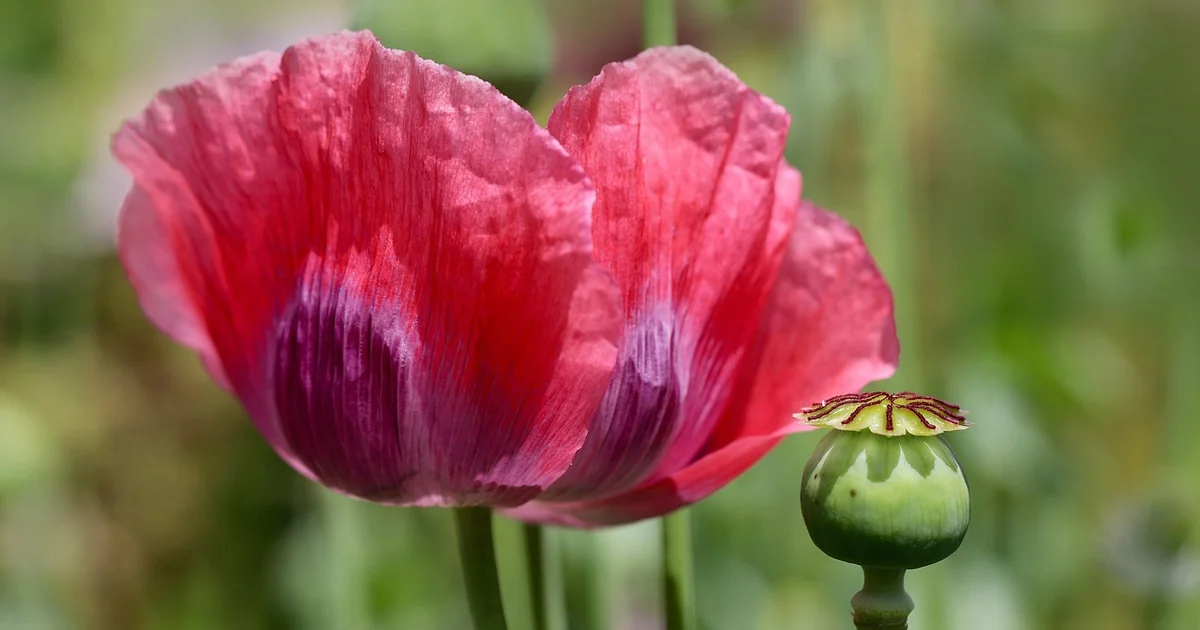
Poppies: Scatter flower seeds for a painterly wash of red
Field poppies (Papaver rhoeas) demand almost nothing beyond a patch of disturbed soil and a scattering of seed. Their tiny dust-like seeds need light to sprout, which means they do best when tossed onto the surface and not buried. Within weeks, frilly green leaves emerge, followed by nodding buds that burst into vibrant tissue-paper blooms of red, pink, or white. In my garden, poppies find their way into the gravel driveway, proving how little they need to thrive.
These annuals self-sow with abandon, turning a bare bank or meadow into a sea of color that returns each spring. They’re also a favorite of bumblebees, who work the pollen-rich centers on warm mornings. For a softer look, try Shirley poppies—a mix that includes pastel pinks, lilacs, and picotee edges. No matter which type you choose, you’ll never have to buy seeds again. Just allow a few plants to dry on the stalk, and the seedheads will do all the planting for you.
Sweet Alyssum: Scatter flower seeds for a fragrant groundcover
Sweet alyssum (Lobularia maritima) forms a low, spreading mat covered in tiny honey-scented flowers. Like poppies, its seeds need light to germinate, so a simple toss onto raked soil is all it takes to get started. The plants bloom quickly—often within six weeks from seeding—and continue flowering until hard frost, filling the air with a sweet, vanilla-like fragrance. I let it spill over the edges of raised beds, and on warm evenings the scent carries all through the yard.
You may also enjoy reading: The Spruce’s 9 Best Tested Garden Sprayers.
This cool-season annual self-seeds reliably, popping up between stones, along walkways, and at the feet of taller plants. The white variety is classic, but purple and pink forms offer gentle color variation. Because alyssum attracts hoverflies and other beneficial insects, it’s a smart understory companion for vegetables and roses. If you ever want to redirect the volunteers, simply pull up the tiny seedlings and transplant them wherever you’d like a fragrant carpet.
Love-in-a-Mist: Scatter flower seeds for whimsy and seed pods
Love-in-a-mist (Nigella damascena) earns its name from the way its feathery foliage creates a mist-like collar around sky-blue blooms. The seeds require light to germinate, so scatter them directly on soil in early spring. After the flowers fade, intriguing balloon-shaped seed pods swell, adding a second act of interest that works as beautifully in dried arrangements as the fresh flowers did in the garden. I collect the pods each autumn and use them in wreaths or simply tuck a few into a vase on the mantel.
This annual self-sows so faithfully that a single packet can establish a permanent colony. The pods eventually split, scattering seeds that sprout the following year. If you’d rather control the spread, just gather the pods before they open and save them for crafting. Love-in-a-mist thrives in full sun to partial shade and tolerates average, well-drained soil. The blue forms are the most common, but you can also find white, pink, and deep indigo cultivars that all mix beautifully together.
Frequently Asked Questions
Do I need to prepare the soil before I scatter flower seeds?
Yes, a small amount of preparation goes a long way. Remove existing weeds and rake the top inch of soil to loosen it, which gives the tiny seeds better contact with the earth. After scattering, press the seeds gently with your palm or walk over the area—you do not cover them with additional soil. Keep the ground consistently moist until seedlings are established.
What’s the difference between direct sowing and scattering seeds on top of the soil?
Direct sowing typically means planting seeds in shallow furrows or pushing them into the soil to a depth specified on the packet. Scattering, on the other hand, is surface-sowing without burying the seeds, and it works only with seeds that require light to germinate. The fling-and-forget plants listed here all belong to that light-dependent group, so they sprout best when left uncovered and simply pressed into contact with damp earth.
Will these self-sowing flowers become invasive?
Most of these plants are well-behaved volunteers rather than aggressive invaders. They tend to fill gaps and edges without choking out other garden plants. If you ever feel a patch is stretching too far, simply remove flower heads before they set seed or pull up unwanted seedlings—both tasks take only a few minutes. Because they stay close to the spaces where they were first scattered, they offer abundance without chaos.
By choosing any of these seven fling-and-forget seeds, you’ll build a garden that surprises you with new volunteers every year. All you really need is a packet of seed, a bare patch of earth, and a little patience. Go ahead and scatter flower seeds wherever you’d like a splash of color, then sit back and let the seasons do the heavy lifting.