Imagine stepping into your garden on a mild spring morning and being greeted by a sweet, almond-like scent drifting from a corner that used to be an eyesore. That is the power of the right plant. For many homeowners, the biggest challenge isn’t growing flowers or vegetables — it is hiding the parts of the yard they would rather not see. A weathered fence, a bare wall, or a rusty shed can drag down the entire outdoor space. The solution does not have to involve expensive renovations or endless upkeep.
These fragrant evergreens offer year-round foliage, rapid growth, and delightful scents that make problem-solving feel like a luxury. In this article, we will explore three exceptional choices that can cover unattractive areas while adding a sensory layer to your garden. Whether you have a small balcony or a sprawling backyard, there is a fragrant evergreen vine here for you.
Fragrant Evergreens for Ugly Spots: Clematis armandii
Clematis armandii is not your average clematis. While most clematis varieties lose their leaves in winter, this one keeps its glossy, dark green foliage all year round. That alone makes it a standout for covering ugly spots. But it does not stop there. This vine grows with surprising speed, covering a large fence or wall in just a couple of seasons. Imagine planting it at the base of a tired shed, and within two years, the entire side is hidden under a lush curtain of leaves.
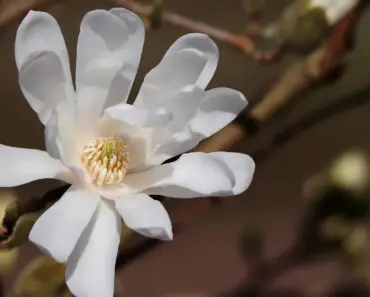
The real magic happens in early spring. Clematis armandii produces masses of star-shaped white flowers. They appear in such abundance that the foliage beneath can barely be seen. And the fragrance? It is light, sweet, and often compared to almonds. On a calm day, the scent carries several feet, making it perfect near a seating area or pathway.
This vine was named after the French missionary and naturalist Armand David, who first collected it in China in the 19th century. It has been a staple in Western gardens since its introduction, prized for its evergreen leaves and early bloom. For gardeners who want quick results, Clematis armandii can add up to 12 feet of growth in a single season under ideal conditions.
How to Support Clematis armandii on a Wall or Fence
To help this vine climb without damaging your structure, install a trellis or a set of horizontal wires about 6 inches from the wall. This allows air to circulate and prevents rot. Tie the stems loosely with soft garden twine. The plant will twine naturally, but initial guidance helps it cover the desired area faster. Avoid using metal ties that can cut into the stems as they thicken.
Does the Fragrance Last All Spring?
The flowers of Clematis armandii bloom for about four to six weeks in early spring. The fragrance is strongest during peak bloom, especially on warm, sunny days. After the flowers fade, the evergreen foliage continues to provide screening and privacy, so the ugly spot remains hidden all year. The scent diminishes once the petals drop, but the visual appeal persists.
Reader Scenario: A Homeowner with a Chain-Link Fence
Picture a homeowner who just moved into a house with a chain-link fence that screams for concealment. They do not want to spend thousands on a full fence replacement. Clematis armandii offers an affordable alternative. Planted along the base, it will twine up the links and create a dense, fragrant screen within two seasons. The glossy leaves hide the metal, and the spring flowers add a touch of elegance. This solution costs about the same as a few bags of potting soil and a single plant.
Specific Care Tips for Success
This vine prefers neutral to alkaline soil. If your soil is acidic, add garden lime before planting to raise the pH. Water deeply during dry spells in the first year to establish a strong root system. After that, it is surprisingly drought-tolerant. It rarely needs feeding — a light mulch of compost in spring is enough. Prune immediately after flowering to shape the plant and remove dead wood. Avoid heavy pruning, as it can reduce next year’s bloom.
Fragrant Evergreens That Brave the Cold: Evergreen Honeysuckle
If you live in a region with harsh winters, evergreen honeysuckle is a reliable alternative. While many honeysuckles are deciduous, some varieties like Lonicera sempervirens or Lonicera japonica ‘Halliana’ retain their leaves in milder winters. They are incredibly tough and can withstand cold temperatures better than Clematis armandii. In fact, Lonicera sempervirens is native to North America and thrives in USDA zones 4 through 9.
This vine produces tubular flowers in shades of yellow, orange, or pink, depending on the variety. The fragrance is sweet and heady, attracting hummingbirds and butterflies throughout the growing season. It blooms from late spring to early fall, offering a longer period of scent compared to the clematis. The flowers are followed by small red berries that birds enjoy.
Evergreen honeysuckle is ideal for covering chain-link fences or unsightly utility boxes. It grows quickly and can be trained to climb almost any structure. It prefers full sun to partial shade and well-drained soil. Once established, it is drought-tolerant and requires little maintenance. Prune after flowering to keep it tidy and encourage new growth.
Is Evergreen Honeysuckle Invasive?
Some varieties, particularly Lonicera japonica, can be invasive in certain regions. Check with your local extension office before planting. If you are concerned, choose a non-invasive cultivar like ‘Scentsation’ from Proven Winners, which is bred for controlled growth. This cultivar has all the fragrance and evergreen qualities without the aggressive spreading habit.
Planting Tips for Quick Coverage
Space plants about 3 feet apart along the structure you want to cover. Water regularly during the first growing season to establish deep roots. Mulch around the base with 2 inches of organic material to retain moisture and suppress weeds. With proper care, you can expect full coverage within two to three years. For faster results, choose larger container plants from a nursery.
Reader Scenario: A Renter with a Sun-Baked Wall
Consider a renter facing a bare, sun-baked wall in the patio. They cannot plant into the ground but want vertical greenery that will not die in winter. Evergreen honeysuckle in a large container can be placed against the wall. With a trellis, it will climb and provide shade and fragrance. The renter can take the plant with them when they move. Use a pot at least 18 inches deep to accommodate the root system.
You may also enjoy reading: 5 Ways to Design a Memorial Garden for Remembrance.
Companion Planting for Extended Interest
Pair evergreen honeysuckle with late-blooming perennials like coneflowers or black-eyed Susans at its base. The perennials will flower as the honeysuckle’s first flush fades, creating a continuous display. This combination also supports pollinators throughout the growing season.
Fragrant Evergreens for Containers: Star Jasmine
Star jasmine, or Trachelospermum jasminoides, is a beloved choice for gardeners in warmer zones. Its glossy, dark green leaves stay attractive all year, and in summer, it produces clusters of small white flowers with an intensely sweet fragrance. The scent is often described as reminiscent of jasmine tea or gardenias. Despite its name, star jasmine is not a true jasmine — it belongs to the Apocynaceae family, which also includes periwinkle.
This vine is versatile. It can climb walls, fences, and trellises, or spill over containers as a ground cover. For renters with a small balcony, star jasmine in a pot can hide an ugly utility box while filling the air with perfume. It prefers full sun to partial shade and well-drained soil. In colder zones, it can be grown in containers and moved indoors during winter. It is hardy in USDA zones 8 through 10.
Star jasmine is low-maintenance once established. It requires regular watering during dry spells but is otherwise trouble-free. Prune lightly after flowering to shape the plant and remove dead stems. It is generally pest resistant and deer tolerant. The leaves may turn bronze in winter in cooler climates, adding seasonal interest.
Can Star Jasmine Thrive in Partial Shade?
Yes, star jasmine can grow in partial shade, but it will produce fewer flowers and less fragrance. For maximum bloom, plant it in a spot that receives at least four to six hours of direct sunlight each day. In hot climates, afternoon shade can prevent leaf scorch. If you are growing it on a north-facing wall, expect a greener, less fragrant display.
Using Star Jasmine in Containers
Choose a large pot with drainage holes, at least 18 inches in diameter. Use a high-quality potting mix and add a slow-release fertilizer in spring. Place the container near a doorway or seating area to enjoy the fragrance. Water when the top inch of soil feels dry. With proper care, star jasmine can thrive in a container for years. Repot every two to three years to refresh the soil.
Reader Scenario: A City Balcony with a Utility Box
Imagine someone who loves gardening but has a small city balcony with an ugly utility box that needs hiding and a pleasant scent. Star jasmine in a decorative pot can be placed in front of the box. As it grows, it will cover the box with glossy leaves and fill the balcony with a sweet fragrance. It is a simple solution that adds beauty and privacy. The pot can be moved to rearrange the space as needed.
Winter Protection for Colder Climates
If you live in zone 7 or below, move the container indoors to a bright, cool room before the first frost. Water sparingly during winter, allowing the soil to dry out between waterings. In spring, gradually reintroduce the plant to outdoor conditions after the last frost. This method allows gardeners in cooler regions to enjoy star jasmine year after year.
Choosing the right fragrant evergreens for your ugly spot depends on your climate, space, and personal preference. Clematis armandii offers early spring fragrance and fast coverage. Evergreen honeysuckle provides tough, long-blooming scent for colder areas. Star jasmine brings intense summer perfume and container versatility. Each of these plants turns a problem area into a sensory delight, proving that the best garden solutions are often the most fragrant ones.