Gardeners who spot a small, dark, alligator-like creature crawling on their tomato leaves might feel a jolt of alarm. That reaction is understandable. The insect looks nothing like the cheerful red beetle with black spots that children draw in coloring books. Yet this strange-looking crawler is one of the most valuable allies a vegetable patch or flower bed can have. Understanding what these immature predators look like and recognizing their role in natural pest control can transform how you manage your garden.
The Life Cycle Journey: From Egg to Adult
Ladybugs undergo what entomologists call complete metamorphosis. This process includes four distinct stages: egg, larva, pupa, and adult. A female lady beetle typically deposits between five and thirty eggs on the underside of a leaf. Interestingly, some of those eggs are infertile. They serve as an immediate food source for the hatchlings that emerge two to ten days later.
The larva that crawls out of that egg is the star of our story. It spends the next several weeks eating constantly. It molts, or sheds its skin, four times as it grows. When it reaches about half an inch in length, it attaches itself to a leaf and enters the pupal stage. For seven to fifteen days, it remains motionless while its body reorganizes into an adult form. The soft, pale yellow cuticle of the newly emerged adult gradually hardens and darkens into the familiar red shell. For the common sevenspotted lady beetle, the entire journey from egg to adult takes roughly six weeks.
Distinguishing beneficial larvae from destructive pests is a skill every gardener benefits from. These five distinct visual characteristics help you identify ladybug larvae and understand the specific ladybug larvae benefits they bring to your soil and plants.
1. The Alligator Mimic: Spiny Black Body
The most noticeable trait of a ladybug larva is its elongated, segmented body covered in small spines or tubercles. It measures about half an inch long and appears mostly black. The resemblance to a tiny alligator is striking. This look alarms many gardeners, but it is completely harmless to humans. The spines are not sharp enough to cause injury, and the larvae do not bite or sting.
Garden benefit: The alligator-like appearance is an effective camouflage. It protects the larva from birds and larger insects that might otherwise eat it. A protected larva survives long enough to consume roughly four hundred aphids during its three-week larval stage. This single larva can save an entire rose bush or tomato plant from a severe aphid infestation before it ever becomes an adult.
2. The Warning Marker: Red, Orange, or White Accents
Beneath the black base color, many ladybug larvae display bright patches of red, orange, or white. These markings appear on the sides or near the rear of the body. They function as a warning signal to predators. The bright colors say, “I taste bad,” even though the larva itself is not toxic to humans.
Garden benefit: This aposematic coloration reduces the chances that a bird or mantis will eat the larva. More surviving larvae mean more natural aphid control without any chemical intervention. A garden with a healthy population of these larvae can see a 70 to 90 percent reduction in soft-bodied pest numbers within a single growing season.
3. The Hungry Molter: Growing Through Four Instars
A ladybug larva does not grow gradually like a human child. It grows in bursts. After each molting event, the larva enters a new stage called an instar. There are four instars in total. After the fourth molt, the larva enters the pupal stage. During the first instar, the larva is quite small, about one-eighth of an inch. By the fourth instar, it reaches its full half-inch length.
Garden benefit: Each instar corresponds to a leap in appetite. A first-instar larva eats small pests like aphid nymphs and spider mite eggs. A fourth-instar larva consumes fifty to sixty aphids per day. This escalating feeding pattern matches the growth of pest populations in early summer. When aphids begin to multiply in June, the larvae are right there, growing and eating alongside them.
4. The Fast Crawler: Active Hunter Locomotion
Unlike the slow, deliberate movement of many caterpillar species, ladybug larvae move quickly. They crawl rapidly across leaves and stems, searching for prey. Their six true legs are positioned near the front of the body, and they use a sticky pad at the rear for stability. This active hunting behavior makes them highly effective predators.
Garden benefit: The speed of a ladybug larva allows it to cover a large area over the course of a day. One larva might patrol an entire medium-sized pepper plant in a single afternoon. This thorough searching behavior ensures that hidden pest colonies are discovered and eliminated. Even if you cannot see aphids tucked into leaf crevices, a hungry larva will find them.
5. The Resting Transformer: Pupal Stage Attachment
The final larval look is actually the pupa. After the fourth molt, the larva stops moving. It attaches itself to a leaf or stem using a silk-like substance. The pupa is still dark in color but appears more rounded and less spiny than the active larva. It looks like a small, motionless bump on the plant. Many gardeners mistake this pupa for a dead insect or a bit of debris.
Garden benefit: The pupal stage lasts only seven to fifteen days. During this time, the insect does not eat anything. However, the transformation that occurs inside that quiet shell produces an adult ladybug that will continue eating pests for two to three more months. A single female ladybug can lay up to one thousand eggs over that period. Protecting the pupa from disturbance ensures the next generation of pest control workers.
Best Diet for Ladybug Larvae
The primary food source for ladybug larvae is aphids. These small, soft-bodied insects cluster on new growth and suck sap from plants. A single larva consumes about four hundred aphids before it pupates. That figure alone highlights the immense ladybug larvae benefits for any garden struggling with aphid pressure.
When aphid populations dwindle, larvae do not starve. They adapt by eating other soft-bodied pests. Their menu includes soft scale insects, whitefly pupae, thrips, and spider mites. They even consume pollen from certain flowers. This dietary flexibility means that beneficial larvae can survive in gardens even when aphid numbers are low.
To attract and retain ladybug larvae, plant flowering species that provide pollen and nectar for the adults. Good choices include angelica, calendula, coreopsis, cosmos, dill, chives, marigold, sweet alyssum, and yarrow. These flowers bloom at different times, offering a continuous food supply from spring through fall. The adults will lay their eggs near these reliable food sources, ensuring that larvae emerge in a location with plenty to eat.
How to Protect Ladybug Larvae
Ladybug larvae cannot fly. They are entirely dependent on the location where their mother laid the eggs. If conditions in that spot become unfavorable, the larvae cannot simply move to a better garden. They must survive where they are or die. This vulnerability means that gardeners need to take deliberate steps to protect them.
You may also enjoy reading: 7 Best Container Plants That Actually Thrive on Neglect.
Avoid Broad-Spectrum Insecticides
The single most destructive action a gardener can take is spraying broad-spectrum insecticides. These chemicals kill aphids and other pests, but they also kill every beneficial insect in the area, including ladybug larvae. Even organic options like neem oil can harm larvae if applied directly. If you must treat a pest outbreak, use insecticidal soap sparingly and only on heavily infested plants. Better yet, spot-treat rather than spraying the entire garden.
Provide a Clean Water Source
Lady beetle adults and larvae need water. A shallow saucer filled with clean water works well. Place a few small stones in the saucer so the insects have a landing spot and do not drown. Change the water every two or three days to prevent mosquito breeding. Stagnant water attracts mosquitoes, which can become a nuisance for your family.
Leave Some Pests Behind
It sounds counterintuitive, but a perfectly clean garden is a bad habitat for ladybug larvae. If you remove every aphid by hand or with a water spray, the larvae will have nothing to eat. Allow small pest populations to remain on a few sacrificial plants. This practice ensures that larvae have a consistent food source. The larvae will keep those pest populations small without eliminating them entirely.
Native vs. Introduced Ladybug Species
Not every ladybug species offers the same ladybug larvae benefits in a garden setting. Native species, such as the sevenspotted lady beetle and the convergent lady beetle, have evolved alongside local pest populations. Their larvae are well-adapted to the climate and food sources found in North American gardens.
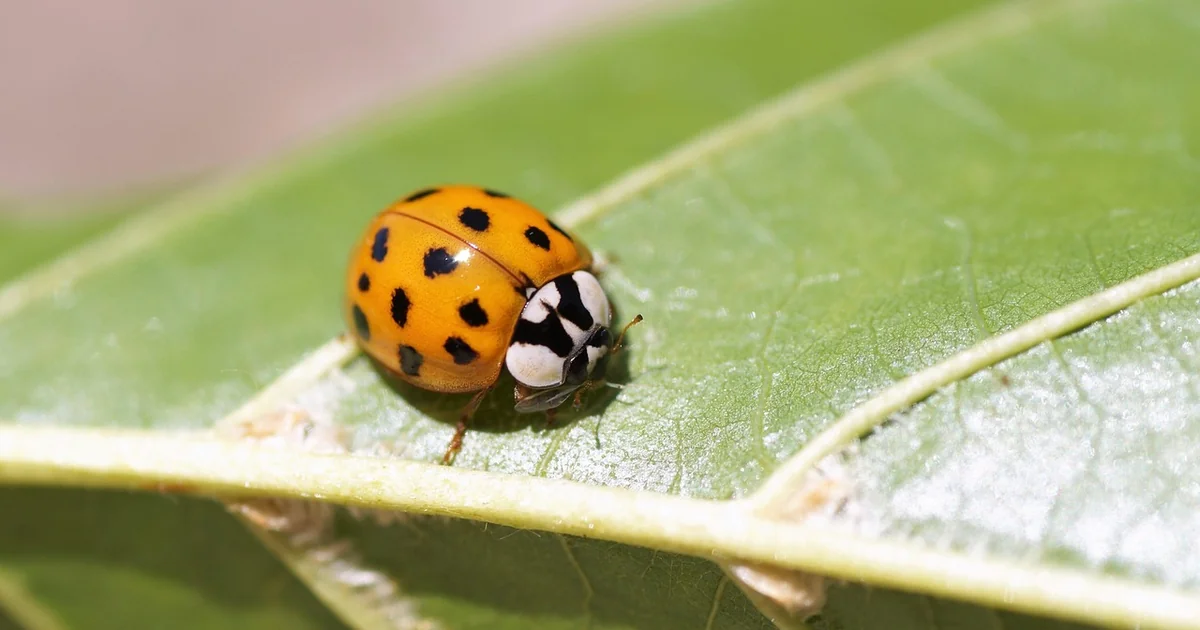
Non-native species, particularly the Asian lady beetle, can cause problems. These beetles are larger than native species. Their larvae are also more aggressive. Adult Asian lady beetles congregate in large clusters, often on the sides of houses. They sometimes enter homes in the fall to overwinter indoors. While their larvae do eat aphids, the nuisance factor of the adults outweighs the pest control benefit for many gardeners.
If you purchase lady beetles from a supplier, choose a company that offers native species. The convergent lady beetle is a common native species sold through beneficial insect catalogs. These beetles are less likely to invade your home than Asian lady beetles. They also tend to stay in the garden longer, laying multiple generations of eggs over the summer.
Frequently Asked Questions About Ladybug Larvae
How do I care for ladybug larvae indoors?
If you receive ladybug larvae through the mail, keep the container at room temperature. Avoid direct sunlight, which can overheat and kill them. The container lid must stay closed except when you mist it lightly with water. Do not add food unless the supplier instructs you to. Most shipments include a small food source that lasts until you release the larvae into the garden.
What time of year do ladybug larvae hatch?
Ladybug larvae typically hatch in June and July. The exact timing depends on your climate zone. In warmer southern regions, hatching may begin in late May. In cooler northern areas, the larvae may not appear until mid-July. Adult lady beetles emerge from overwintering sites in early spring. They begin feeding and laying eggs almost immediately. After an egg incubation period of two to ten days, the larvae appear.
Do ladybugs lay eggs inside houses?
Ladybugs rarely lay eggs inside houses. They prefer to lay their eggs on the undersides of leaves outdoors. The eggs need exposure to natural light and airflow to develop properly. If you find ladybug larvae inside your home, they likely crawled in from a nearby plant that was brought indoors. The larvae will not survive long without access to aphids or other prey. Gently scoop them up and place them on an outdoor plant with aphids.
Building a Garden That Sustains Ladybug Larvae
Creating a habitat for ladybug larvae requires more than just hoping they appear. You need to design your garden with their needs in mind. Start by planting a diverse mix of flowers and vegetables. Diversity attracts a wider range of pest insects, which in turn attracts a wider range of predators. A monoculture of tomatoes, for example, will only attract tomato-specific pests. A garden with tomatoes, beans, squash, marigolds, and dill will attract many different pest and beneficial species.
Avoid using chemical pesticides of any kind. Even “natural” pesticides like pyrethrin can kill beneficial insects. Instead, rely on biological controls. Encourage birds, spiders, and predatory wasps to visit your garden. These creatures, along with ladybug larvae, form a self-regulating ecosystem. The predators keep the pests in check, and the pests provide food for the predators.
Provide overwintering sites for adult lady beetles. Leave a small pile of leaf litter or a few hollow stems in a quiet corner of the yard. The adults hide in these protected spots during the cold months. When spring arrives, they emerge ready to lay eggs. This natural cycle repeats year after year, building a stable population of pest-eating insects in your garden.