You just installed an above-ground pool in your backyard. The water is clean. The filter is running. But something feels off. The pool sits there like a large plastic tub dropped onto the grass. It does not look like it belongs. You want it to feel like part of the landscape, not an afterthought. The good news is that you can transform that stark round or oval structure into a inviting backyard centerpiece without spending a fortune. With a few strategic choices, your pool can go from eyesore to oasis.
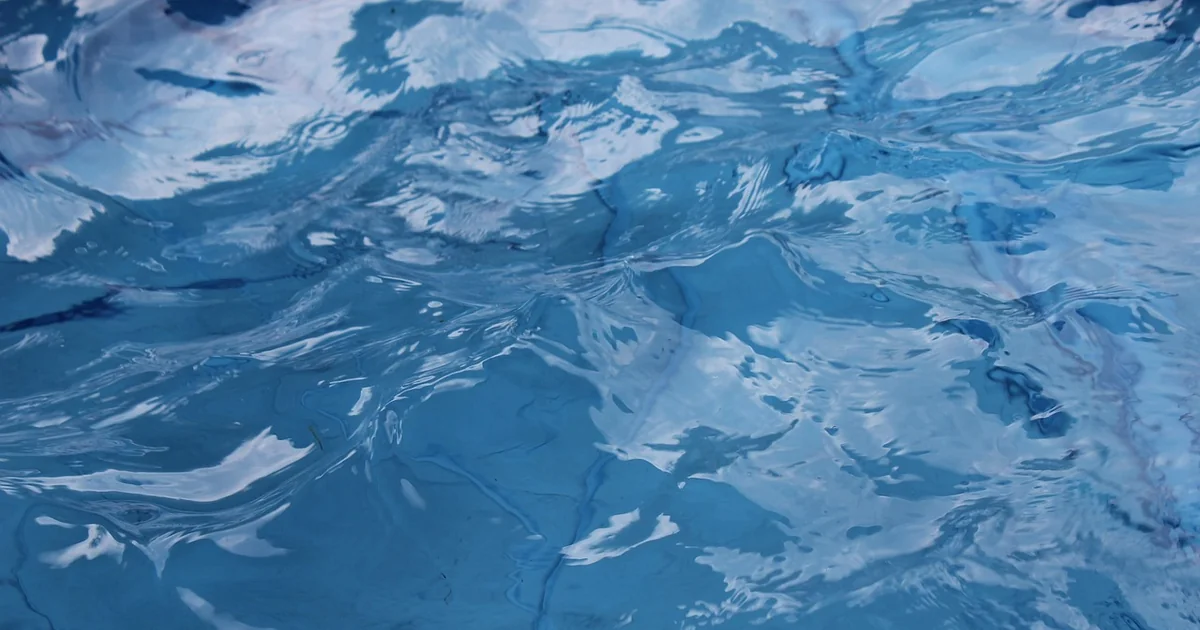
Below are seven practical above ground pool ideas that will help your pool blend into its surroundings and elevate your entire outdoor space. Each idea tackles a different aspect of the pool area, from the ground beneath your feet to the plants that frame the view.
Mulch Borders With Evergreen and Shrub Plantings
The most effective way to soften the hard metal or resin wall of an above-ground pool is to surround its base with a generous layer of mulch. This single step creates a visual anchor that grounds the pool to the earth. Without it, the pool appears to float awkwardly above the lawn.
Choosing the Right Mulch Type
Shredded hardwood mulch works well because it stays in place better than the chunky bark variety. A dark brown or black tinted mulch provides a rich contrast against green foliage and the pool’s blue water. You want a depth of about three inches spread evenly around the entire perimeter. This thickness suppresses weeds and retains moisture for your plants.
Selecting Plants That Work With a Pool Environment
Evergreens offer year-round greenery and do not shed leaves into the water the way deciduous trees do. Dwarf mugo pines, junipers, and boxwoods are excellent choices. For color, add flowering shrubs like knock-out roses or hydrangeas. Place taller evergreens at the back of the border and shorter flowering plants in front. This layering technique mimics natural garden design and hides the bottom third of the pool wall.
Avoid plants with aggressive root systems that could damage the pool’s base over time. Willows and poplars should stay far away. Also skip any species that drops berries or seed pods, as those create constant cleanup in the pool filter. About 37 percent of pool owners who landscape their above-ground pools report spending less time skimming debris compared to those who leave grass right up to the wall.
Wraparound Deck With Lounge Seating
Building a deck around your above-ground pool is the single most impactful change you can make. A deck transforms the pool from a standalone object into an integrated feature of your backyard. It also solves the practical problem of entry and exit. Climbing a wobbly ladder is no one’s idea of a good time.
Deck Height and Layout Considerations
A partial deck that wraps around one side of the pool costs less than a full surround and still creates a dedicated lounge area. The deck surface should sit about six inches below the pool’s top rim. This height lets you sit on the edge of the pool with your feet on the deck. It also makes getting in and out feel natural rather than athletic.
For a standard 24-foot round pool, a 10-foot by 12-foot deck section provides room for two lounge chairs and a small side table. You want at least 36 inches of walking space between the pool wall and any furniture. Composite decking materials resist moisture and heat better than untreated wood. They also do not splinter, which matters when wet feet walk across the surface.
DIY Versus Professional Deck Installation
If you have basic carpentry skills and a weekend to spare, a simple rectangular deck is a feasible DIY project. The key is getting the footings below the frost line if you live in a region with freezing winters. Many homeowners underestimate the importance of proper drainage beneath the deck. Water pooling under the structure leads to rot and insect problems within about three years.
Hiring a professional costs more but guarantees the deck meets local building codes. Expect to pay between $2,000 and $5,000 for a basic partial deck, depending on materials and your region. A full wraparound deck with built-in benches and steps can run up to $11,200, according to industry cost data. That figure aligns with the higher end of total pool installation costs, which range from $1,007 to $5,958 for the pool itself, averaging around $3,395.
Potted Plant Clusters for Flexible Camouflage
Not everyone wants to commit to permanent landscaping. Renters or homeowners who plan to move within a few years need solutions that can go with them. Large containers filled with tall, full plants offer instant camouflage without digging a single hole.
Container Size and Placement Strategy
Use pots that are at least 18 inches in diameter. Smaller containers look puny next to a pool and fail to hide anything. Arrange them in groups of three or five, clustering them at corners and along the sides where the pool wall is most visible. For a 15-foot round pool, six to eight large containers placed at intervals around the perimeter create a convincing visual buffer.
Choose plants that grow upright rather than spreading outward. Tall ornamental grasses like miscanthus or pampas grass reach six to eight feet and sway nicely in the breeze. Bamboo in containers also works well, but choose a clumping variety rather than running bamboo to avoid root escape. Evergreen shrubs in pots provide winter structure when annuals die back.
Seasonal Flexibility and Maintenance
One advantage of containers is that you can swap plants out by season. Plant cool-season pansies and ornamental kale in the fall, then switch to heat-loving lantana and verbena for summer. This approach keeps the pool area looking fresh without requiring a full garden redesign. Water container plants daily during hot weather because pots dry out faster than in-ground plantings. A drip irrigation system on a timer removes the guesswork.
Natural Stone and Rock Borders
Rock borders offer a clean, low-maintenance alternative to mulch. They also add texture and visual weight to the base of the pool. The contrast between the smooth pool wall and the rough natural stone creates a pleasing tension in the landscape.
Stone Types That Work Best
River rock in varying sizes from two to six inches diameter spreads easily and does not shift much under foot traffic. Flagstone pieces laid flat create a more formal border that you can walk on. For a rustic look, use fieldstone collected from your property or sourced from a local quarry. Avoid crushed limestone or sharp-edged gravel near a pool because those materials can scratch the pool liner if they get kicked onto the surface.
Lay the stones about 12 to 18 inches wide around the entire pool base. This width gives you enough room to walk comfortably while maintaining the pool. A layer of landscape fabric underneath prevents weeds from pushing through the stones. Over time, about 15 percent of stone borders will settle and need topping up, especially after heavy rain.
Combining Stone With Other Materials
Stone borders pair well with low-growing ground covers like creeping thyme or sedum. These plants fill the gaps between stones and soften the hard edges. Creeping thyme releases a pleasant herbal scent when you brush against it. Sedum requires almost no water once established. This combination of stone and living ground cover creates a natural transition from pool to lawn.
Privacy Screens and Lattice Panels
Above-ground pools sit higher than in-ground pools, which means they are more visible to neighbors. A well-placed privacy screen solves that problem while also creating a cozy, enclosed feel around the pool area. The screen does not have to block every sightline. Partial screening that breaks up the view is often enough to make the space feel private.
Material Options and Installation Tips
Pressure-treated wood lattice panels are the most budget-friendly option. A 4-foot by 8-foot panel costs about $25 to $40. Mount them on 4×4 posts set in concrete for stability. Space the panels every six to eight feet around the pool perimeter. Leave gaps between panels for air circulation and to avoid a walled-in feeling.
For a more polished look, use cedar or redwood boards arranged horizontally with small gaps between each board. This shadow-box style provides privacy while still letting some light through. It also ages gracefully to a silvery gray that complements most backyard styles. Metal privacy screens with laser-cut geometric patterns have become popular in recent years. They cost more but offer a modern aesthetic that resists weather damage for decades.
You may also enjoy reading: 9 Beautiful Peony Colors to Try This Summer.
Climbing Plants on Screens
Lattice and screen structures become even more effective when you add climbing plants. Clematis, jasmine, and climbing hydrangea grow quickly and cover a screen within two growing seasons. Choose evergreen climbers if you want privacy year-round. Star jasmine stays green through mild winters and produces fragrant white flowers in early summer.
Be mindful of where you place climbing plants relative to the pool. Keep them at least two feet away from the pool edge to prevent leaves and stems from dangling into the water. Regular trimming every three to four weeks during the growing season keeps growth under control.
Integrated Lighting for Evening Appeal
Most above-ground pools look their best during the day when sunlight sparkles on the water. But evening is when you actually use the pool after work and on weekends. Proper lighting extends the pool’s usability and transforms the entire area into a warm, inviting space after dark.
Types of Pool Lighting
LED lights designed specifically for above-ground pools install through the pool wall and provide underwater illumination. A single LED light in a 24-foot round pool casts enough glow for safe evening swimming. These lights consume about 80 percent less energy than incandescent bulbs and last roughly 30,000 hours, which translates to about 10 years of regular use.
String lights hung around the pool perimeter add ambient charm without the expense of hardwired fixtures. Look for weatherproof string lights with individual bulbs that can be replaced. Hang them on shepherd hooks or attach them to the top rail of the pool using clips designed for that purpose. Warm white bulbs create a softer, more flattering glow than cool white or colored bulbs.
Landscape Lighting Around the Pool Base
Low-voltage landscape lights placed in the mulch or stone border illuminate the ground around the pool. These lights serve two purposes. They highlight the plants and materials you have chosen, and they prevent tripping hazards in the dark. Place lights every six to eight feet along the perimeter, angled slightly downward to avoid glare in swimmers’ eyes.
Solar lights are an option for areas far from an electrical outlet, but their brightness varies depending on how much sun the panel receives during the day. For consistent performance, hardwired low-voltage lights with a transformer are more reliable. A basic landscape lighting kit with six to eight lights costs between $80 and $150 and installs in about two hours.
Coordinated Pool Steps and Entry Design
The standard flimsy ladder that comes with most above-ground pools ruins the aesthetic you have worked to create. Replacing it with a sturdy set of steps or a deck-integrated entry system makes a surprisingly large difference. The entry point is where people interact with the pool most directly, so it deserves attention.
Step Styles and Materials
Wide, graduated steps with handrails on both sides are safer and more attractive than A-frame ladders. Look for steps made from heavy-duty resin or aluminum with non-slip treads. Some models include a small platform at the top where you can sit and dangle your feet before entering the water. This feature is especially useful for children and older adults who need a moment to balance.
Deck-Integrated Entry Options
If you build a deck around the pool, consider integrating the steps directly into the deck structure. This approach eliminates the need for a separate ladder entirely. You simply step from the deck onto a submerged bench or a set of wide stairs built into the pool wall. This design makes the pool feel more like a natural swimming environment and less like a temporary structure.
A removable step section in the deck railing allows access to the pool from the deck surface without climbing over the rail. This detail costs about $200 to $400 extra during deck construction but adds convenience and safety that pays off every time you use the pool.
Matching Pool Landscaping to Backyard Style
The best above ground pool ideas are the ones that feel consistent with your home and garden. A modern minimalist home calls for different landscaping than a cottage garden or a desert landscape. Matching the pool area to your existing style creates a cohesive look that feels intentional rather than patched together.
Modern Minimalist Approach
Clean lines and restrained plantings define the modern look. Use black or dark gray mulch instead of brown. Choose ornamental grasses with upright growth habits and avoid bushy, sprawling plants. A single row of identical evergreens spaced evenly around the pool creates a crisp border. Add rectangular deck sections rather than curved ones. Keep accessories to a minimum. One or two sculptural pots with a single specimen plant each provide enough decoration.
Cottage Garden Style
A cottage garden approach embraces abundance and color. Plant a mix of perennials and annuals in layers around the pool. Lavender, catmint, and salvia provide fragrance and attract pollinators. Use white picket fencing or a rustic wooden screen instead of modern metal. Add climbing roses on a trellis near the entry steps. The goal is to make the pool look like it has always been part of a longstanding garden.
Above-ground pools typically last between seven and 15 years depending on the style and how well you maintain them. Investing in thoughtful landscaping around the pool pays off over that entire lifespan, making every swim more enjoyable and every backyard gathering more inviting.