The process of selling a home can feel overwhelming. Between decluttering, making repairs, and preparing for showings, the to-do list seems endless. Many homeowners assume they must tackle every possible improvement before listing. But experienced real estate agents agree that several common pre-sale projects are simply not worth the time or money. Knowing which tasks to skip before listing can save you thousands of dollars and weeks of unnecessary stress. Here are seven things the experts say you can confidently take off your plate.

Renovating Kitchens and Bathrooms Before Listing
Kitchens and bathrooms sell homes. That phrase gets repeated so often that many sellers feel pressured to gut and remodel these spaces before putting their house on the market. If your kitchen feels dated or your bathroom lacks modern finishes, you might assume a full renovation is the smartest move. Real estate broker Taylor Lucyk, founder of the Taylor Lucyk Group, sees this misconception frequently. He explains that most sellers are better off leaving these rooms exactly as they are.
Why Buyers Prefer to Make Their Own Changes
Lucyk points out that many buyers actually want to choose their own countertops, cabinet colors, and tile patterns. A renovated kitchen that does not match a buyer’s taste can feel like a drawback rather than a selling point. You might spend twenty thousand dollars on a new kitchen, but the buyer may only value that upgrade at ten thousand. The gap between what you spend and what you recoup is often significant. Lucyk notes that you do not always get back what you invest in these renovations.
Smaller Projects That Actually Move the Needle
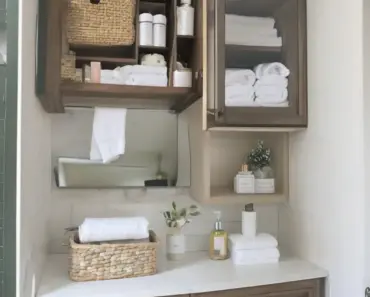
Instead of a full remodel, Lucyk recommends focusing on smaller, high-impact tasks. A thorough decluttering session costs nothing but time and can transform how a space feels. Adding a fresh coat of neutral paint to cabinets or walls can brighten a room without a major investment. Replacing hardware like drawer pulls and faucet handles is another low-cost update that modernizes a space quickly. These small changes create a clean, well-maintained impression without the expense and delay of a full renovation.
What About Outdated but Functional Spaces
If your kitchen or bathroom is clean, functional, and reasonably well-maintained, leave it alone. Buyers can see past avocado green countertops or a pink tile floor if the price reflects the condition. Your listing agent can help you price the home appropriately so that buyers factor in the cost of future updates. This approach is far more practical than rushing through a renovation that may not align with what the market wants.
Replacing All Flooring Throughout the Home
Worn carpet or scratched hardwood can feel like a major flaw. Many sellers assume they must replace all flooring before showing the home. Jacob Naig, a real estate investor, licensed agent, and contractor based in Des Moines, Iowa, says this is one of the biggest myths he encounters. The truth is that most buyers would rather select their own flooring after closing. They have specific preferences for color, material, and texture that you cannot predict.
The Hidden Cost of Quick Flooring Installs
Naig points out that hasty flooring installations rarely fool anyone. A fast, cheap carpet install or a rushed laminate job often looks exactly like what it is. Buyers notice uneven seams, poor transitions between rooms, and low-quality materials. Naig adds that no one is being fooled with a fast install, and you are unlikely to see a return unless the floors are in truly terrible condition. Spending thousands on new flooring that a buyer will rip out anyway is a waste of money.
Practical Alternatives to Full Replacement
If your floors look tired but are structurally sound, consider professional cleaning instead. Steam cleaning carpets or deep cleaning hardwood can restore a surprising amount of life. If a particular area has a stain or wear pattern, a well-placed area rug can hide the problem without replacing the entire floor. These small fixes cost a fraction of full replacement and keep your home move-in ready without overcapitalizing.
When Replacement Actually Makes Sense
There are exceptions. If your carpet is stained, smells, or has pet damage, replacement may be necessary. Similarly, if hardwood is severely warped or damaged, buyers will notice. But for normal wear and tear, cleaning and strategic rug placement are sufficient. Your agent can give you honest feedback about whether your floors are truly a dealbreaker or just a minor cosmetic issue.
Repainting Every Wall in the House
A fresh coat of paint can work wonders. But there is a big difference between strategic touch-ups and repainting every single wall. Jacob Naig describes repainting the entire home as overkill unless the existing colors are truly outrageous. Hot pink bedrooms or dark purple living rooms might need neutralization, but most homes do not require a full repaint.
How Buyers View Paint Colors
Buyers understand that paint is one of the easiest and cheapest changes they can make after moving in. They would rather select their own colors than inherit someone else’s choices. A neutral, well-maintained wall with a few scuffs does not need a full repaint. A quick spot touch-up with matching paint is usually enough to make the room look cared for. Naig notes that buyers prefer to choose their own paint colors after move-in, so neutral walls in good condition are perfectly acceptable.
Deciding Which Rooms to Touch Up
Focus your paint efforts on rooms that show obvious wear. High-traffic areas like hallways, staircases, and kids’ bedrooms often have scuffs, marks, or fading. A targeted touch-up in these spaces makes a big difference. Rooms in good condition with neutral colors can be left as is. If you are unsure, ask your listing agent to walk through and point out which walls need attention. Their objective eye can save you from unnecessary work.
The Fresh Paint Myth
Some sellers believe that fresh paint signals a well-maintained home. While that is true in principle, a home that smells of fresh paint can also raise questions. Buyers may wonder what the paint is covering up. A light touch with spot repairs and a thorough cleaning often creates a better impression than a full repaint job that feels like overcompensation.
Upgrading Appliances to the Latest Models
Stainless steel refrigerators and smart ovens look impressive in showrooms. But upgrading appliances before selling is rarely the smart financial move that sellers imagine. Jacob Naig explains that if your appliances are clean, in working condition, and match each other, you are better off offering a credit or pricing the home accordingly rather than buying new ones.
Why Buyers Prefer Credits Over Upgrades
Buyers have strong opinions about appliances. Some want gas ranges, others prefer induction. Some want French door refrigerators, others want side-by-side models. By upgrading yourself, you gamble on guessing what the buyer wants. Naig finds that buyers would rather save money on the purchase price and order exactly what they want later. A credit of one to two thousand dollars costs you less than buying new appliances and gives the buyer freedom of choice.
Consulting Your Listing Agent on Appliance Decisions
Jen Barnett, a broker and owner of The Front Agency, agrees with Naig. She emphasizes that this is where your listing agent’s advice is invaluable. An experienced agent can tell you which updates translate into higher appraised value and which do not. Some updates simply will not show up in your bottom line. If your appliances are functional and presentable, leave them in place and adjust your price strategy instead.
When Appliance Upgrades Make Sense
If your appliances are broken, mismatched in a glaring way, or from the 1980s, replacement may help. But even then, consider buying mid-range models rather than high-end ones. Buyers appreciate function and cleanliness over luxury brands. A clean, basic white or stainless steel set is usually sufficient. Do not let appliance anxiety drive you to overspend on features that the next owner may not value.
Paying for a Professional Home Appraisal as the Seller
Many sellers assume they need to pay for a home appraisal before listing. This is a common misunderstanding. Jen Barnett clarifies that the home appraisal is the buyer’s responsibility, not the seller’s. If the buyer needs financing, their lender will order an appraisal. The buyer pays for it as part of their closing costs. You do not need to spend money on this service upfront.
You may also enjoy reading: 7 Fence Colors to Add Value to Your Home.
What Sellers Should Do Instead
Rather than paying for an appraisal, Barnett recommends relying on your listing agent’s expertise. A good listing agent provides a complimentary market analysis to help you determine a fair price for your home. This analysis uses recent sales of comparable properties, current market conditions, and your home’s specific features. It is free, professional, and tailored to your situation. This is one of the easiest tasks to skip before listing because your agent handles the pricing work as part of their service.
Understanding the Appraisal Timeline
The appraisal happens after you accept an offer, not before. The buyer’s lender orders it to confirm that the home is worth the agreed-upon price. You do not need to worry about it during the preparation phase. If the appraisal comes in low, you and the buyer can negotiate. But paying for your own appraisal ahead of time is an unnecessary expense that provides little strategic advantage.
Waiting to List Until Your Next Home Is Under Contract
Some sellers delay listing their current home because they want to have their next home secured first. They worry about being stuck between two properties or having nowhere to go after closing. Jen Barnett explains that there is no reason to hold off. In fact, listing your home early can actually strengthen your position when making an offer on a new property.
How an Active Listing Strengthens Your Offer
When you make an offer on a new home while your current home is already listed, sellers see you as a serious buyer. You are not contingent on listing your home later. You are already in the process. Barnett notes that a purchase offer can be made stronger by having a home already for sale. Sellers of the home you want to buy feel more confident that your financing and timeline are realistic.
Managing the Overlap Between Two Homes
If you are worried about timing, talk to your agent about strategies to manage the overlap. You can negotiate a rent-back agreement where you stay in your sold home for a few weeks after closing while you finalize your next purchase. This gives you breathing room without delaying your listing. Many buyers are willing to accommodate a short rent-back period, especially if your home is priced well and in good condition.
The Risk of Waiting Too Long
Waiting to list can cost you momentum. Market conditions change. Interest rates shift. Buyer demand fluctuates. By delaying, you may miss the optimal window for your area. Listing early gives you more time to find the right buyer and negotiate favorable terms. It also reduces pressure because you are not racing against a deadline from your new home purchase.
Over-Improving with High-End Finishes That Exceed Neighborhood Norms
It is natural to want your home to stand out. But over-improving with luxury finishes that far exceed what is typical in your neighborhood can backfire. Taylor Lucyk warns that you do not always get back what you spend, and this is especially true when your upgrades push your home above the ceiling of comparable sales in the area.
The Neighborhood Ceiling Effect
Every neighborhood has a price ceiling based on recent sales and buyer perceptions. If you install a professional-grade kitchen with marble countertops and commercial appliances in a neighborhood where most homes sell for moderate prices, you may never recoup that investment. Buyers shopping in that area may not have the budget to pay a premium for high-end finishes. They may also worry that the home is overpriced relative to nearby options.
What Buyers Actually Notice
Buyers notice cleanliness, good lighting, functional spaces, and neutral decor. They notice signs of neglect like peeling paint, dirty carpets, or leaky faucets. They do not usually notice the brand of your faucet or the grade of your hardwood. Spending money on things that buyers cannot easily see or do not value is a poor use of your pre-sale budget. Focus on what is visible and impactful rather than what is expensive and subtle.
Smart Upgrades That Add Real Value
If you want to invest in improvements, choose items that have broad appeal and clear utility. Fresh paint in neutral tones, updated light fixtures, modern door hardware, and well-maintained landscaping all add value without overcapitalizing. These upgrades are visible, affordable, and appealing to a wide range of buyers. They also cost far less than a kitchen remodel or a bathroom overhaul.
Letting Buyers Imagine Their Own Vision
One of the most important lessons from experienced agents is that buyers want to imagine themselves living in your home. When you over-improve with very specific, high-end choices, you make that imagination harder. Buyers may feel that your taste does not match theirs and that they would need to change things anyway. A well-maintained, neutral, clean home allows buyers to project their own style onto the space. That emotional connection is what drives offers.
Putting It All Together: Focus on What Actually Matters
Selling a home is stressful enough without taking on unnecessary projects. The experts agree that many common pre-sale tasks simply do not pay off. Renovating kitchens and bathrooms, replacing flooring, repainting every wall, upgrading appliances, paying for an appraisal, waiting to list, and over-improving with luxury finishes are all tasks to skip before selling. Instead, focus your energy on decluttering, deep cleaning, strategic touch-ups, and proper pricing. Your listing agent can guide you on the few improvements that genuinely matter in your local market. By skipping the wrong tasks, you save money, reduce stress, and let your home shine for what it already is.