Why Sugared Flowers Deserve a Spot in Your Kitchen
Picture this: a simple butter cake, a bowl of fresh berries, or a tall glass of lemonade. Now imagine the same dish dotted with delicate, sparkling blossoms that catch the light like tiny jewels. That is what sugared flowers do for a meal. They transform everyday food into occasion-worthy fare without expensive equipment or complicated techniques. The method requires just two pantry staples and a soft brush. And the payoff is immense.
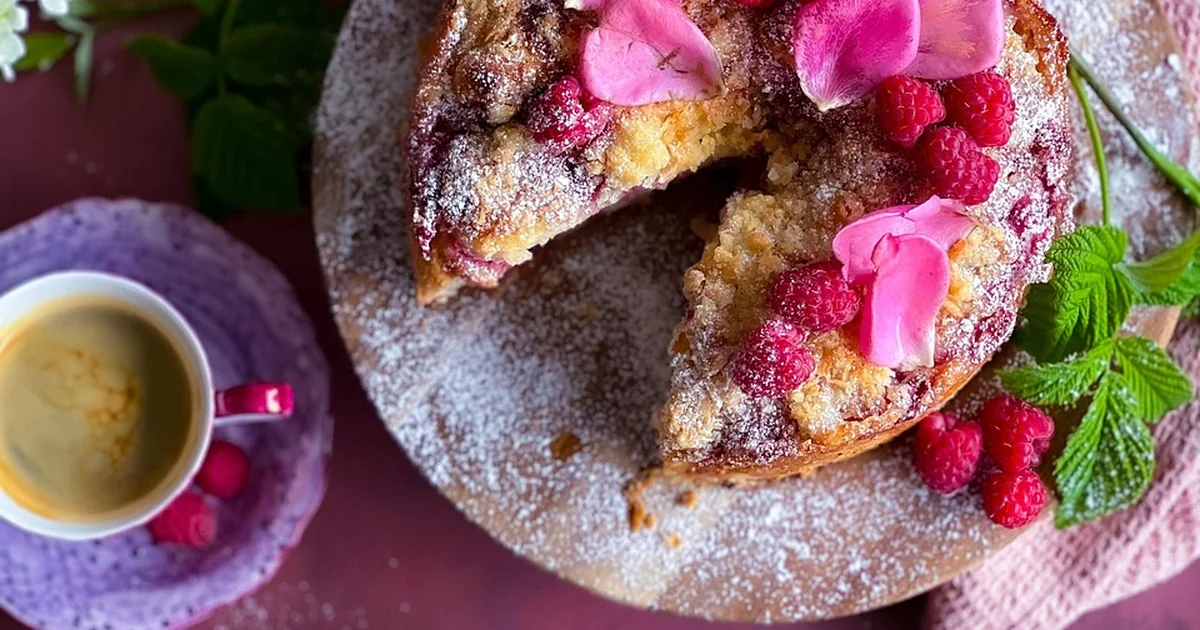
Home bakers often assume candied blooms belong only in high-end patisseries. The truth is that anyone can make them in under an hour. Even better, the process uses ingredients you almost certainly have on hand. With a little practice, you can produce edible garnishes that rival anything from a professional bakery.
What Are Sugared Flowers?
Sugared flowers are fresh edible blossoms that have been coated with a thin layer of egg white (or a plant-based alternative) and then dusted with fine sugar. The sugar crystallizes as it dries, creating a crisp, glittering shell. The result is a garnish that adds colour, texture, and a whisper of sweetness to any dish.
This ancient technique dates back centuries. Medieval cooks used sugar coatings to preserve fruits and flowers, and the practice appears in Renaissance cookbooks across Europe. Today it remains a favourite trick among food stylists and home entertainers alike because it requires no special training and produces consistently stunning results.
7 Tips to Make Sugared Flowers and Decorate Desserts Like a Pro
1. Select the Best Edible Blooms for Sugaring
Not every flower belongs on a dessert plate. Some blossoms are toxic, while others wilt too quickly or lack the structure needed to hold sugar. The ideal candidates are small to medium-sized flowers with relatively few petals. Pansies, violas, borage, nasturtiums, and lavender all work beautifully. Rose petals can be used individually, and chamomile heads make charming mini garnishes.
Always confirm that a flower is edible before using it. A reliable rule is to buy from a farmer’s market where blooms are labelled as food-grade, or grow your own from organic seeds. Never assume a flower from a florist or roadside is safe. Many commercial flowers are treated with pesticides that cannot be washed off. The package should say “edible” or “food-grade” explicitly. If it does not, do not use it.
Beyond flowers, consider sugaring small herbs and leaves. Mint leaves, sage leaves, and even tiny strawberry leaves take on a lovely sparkle and can be used to accent savoury-sweet dishes or cocktail glasses.
2. Harvest at the Right Moment for Maximum Freshness
Timing matters more than most people realize. Flowers should be picked just before you plan to sugar them. Ideally, harvest in the morning after the dew has evaporated but before the sun gets hot. This is when the plant is most hydrated and the petals are firmest. A flower picked at noon on a hot day will be limp and difficult to handle.
If you are buying flowers from a store, use them the same day if possible. Refrigeration can help extend freshness, but cold temperatures also cause condensation, which makes sugar clump. If you must store them, place them between slightly damp paper towels in a sealed container in the fridge for no more than a few hours.
One important detail: if you grow your own edible flowers and want to use them for sugared flowers, stop using any chemical sprays at least two weeks before harvesting. Even organic insecticides can leave residues that affect taste and safety.
3. Clean and Dry Blooms Without Bruising Them
Dirt, pollen, and tiny insects can ruin the appearance of finished blossoms. But washing flowers is tricky because the petals are fragile. The best method is to gently submerge each bloom in a bowl of cool water and swish it lightly. Lift it out carefully and lay it on a paper towel. Pat the top gently with another towel. Do not rub or press hard, as this will crush the petals.
If the flowers come from your own garden and you know they are clean, you can skip washing entirely. Many gardeners simply give the plant a gentle spray with the hose the day before and let the flowers dry naturally. This preserves the natural bloom and avoids petal damage.
Make sure the flowers are completely dry before you begin sugaring. Any moisture on the surface will make the egg white thin and the sugar clump. A good test is to touch a petal with your finger. If it feels cool or damp, wait another 15 minutes.
4. Master the Egg White Application for a Flawless Coat
This step separates professional-looking results from messy ones. The key is to use a soft paintbrush, not a dip. Fill a small bowl with one egg white that has been lightly whisked until just smooth. Do not whip it into foam; you want a liquid that flows easily without bubbles.
Pinch the stem of the flower between your thumb and forefinger. Using the brush, paint the egg white onto both sides of the flower, one petal at a time. Work slowly and deliberately. The coating should be thin and even. If you see pools of egg white collecting in the centre, gently tilt the flower and let the excess drip off.
Avoid the temptation to dip the flower directly into the bowl. This saturates the petals and creates a heavy, sticky mess that takes forever to dry. The brush method gives you control and prevents the flower from becoming “gloopy.” Keep a paper towel nearby to wipe your fingers between flowers. Clean fingers make it easier to handle the delicate petals without tearing them.
For an egg-free version, use aquafaba, the liquid from a can of chickpeas. Whisk it lightly until it becomes slightly frothy, then apply it the same way. Aquafaba dries a little faster than egg white, so work quickly.
5. Apply Sugar Evenly to Every Crevice
Once the egg white is on the flower, it is time for the sugar. Pour a shallow layer of granulated sugar into a small dish. Hold the painted flower over the dish and use a spoon to sprinkle sugar over both sides. For flowers with tightly packed petals, such as lavender or small roses, use the spoon to gently guide sugar into the crevices.
Superfine sugar gives the most elegant finish because the crystals are smaller and reflect light more evenly. If you only have regular granulated sugar, you can pulse it in a food processor for a few seconds to make it finer. Do not use powdered sugar, as it dissolves into the egg white and leaves a cloudy, wet finish rather than a crisp crystal coat.
Alternative sweeteners work too. Coconut sugar creates a warmer, amber-toned look that pairs well with autumn desserts. Monk fruit sugar allows you to reduce the overall sugar content while still getting the sparkle. The key is that the granules must be dry and fine enough to stick.
After coating, gently shake off any excess sugar. Place the finished flower on a sheet of parchment paper. The position you set it in is exactly how it will dry, so arrange the petals the way you want them to appear on the final dish.
You may also enjoy reading: 7 Expert Spring Garden Layouts for the Mid-Atlantic.
6. Dry or Bake for a Sturdy, Long-Lasting Finish
Drying is the step that locks in the crystal coating. You have two options. The traditional method is to let the flowers sit at room temperature on a wire rack or parchment-lined tray for 8 to 12 hours, or overnight. This gentle method preserves the most delicate colours and shapes.
The faster method is to bake them at 200°F (about 93°C) for two hours. Place the parchment sheet directly on the oven rack or on a baking sheet. Keep the oven door slightly ajar with a wooden spoon handle to allow moisture to escape. Check after 90 minutes. The flowers should feel dry and crisp to the touch, not soft or bendy.
Baked sugared flowers tend to hold their shape better for garnishing cakes and pastries that require immediate use. Air-dried flowers are more delicate and work best for drinks and salads where they will be consumed soon after application. Either method is fine; choose based on your schedule.
A note on colour: some flowers, such as deep purple pansies, darken slightly during baking. If colour preservation is critical, stick with air drying. Pale flowers like white violas and chamomile hold their hues well regardless of method.
7. Use Sugared Flowers Strategically on Desserts and Drinks
The final tip is about placement. These sparkling blossoms are best applied just before serving. If you put them on a cake and refrigerate it, condensation will soften the sugar and ruin the effect. Wait until the dessert is fully assembled and ready to go to the table.
For layer cakes, arrange the flowers in a loose cluster near the base or cascade them down one side. On cupcakes, a single viola or pansy in the centre of the frosting creates a focal point. For tarts and pies, scatter sugared petals lightly across the surface like confetti. On a charcuterie board, place them alongside soft cheeses and honeycomb for a surprising pop of colour and texture.
Drinks benefit from sugared flowers too. Float a candied bloom on top of a cocktail, float it in a pitcher of iced tea, or freeze it into an ice cube for a slow reveal. Lavender blossoms look stunning on lemonade, while rose petals suit champagne or sparkling water.
One unexpected use: add sugared petals to a simple green salad with a light vinaigrette. The sweetness of the sugar contrasts beautifully with acidic dressing and bitter greens. Guests will be delighted by the surprise.
Frequently Asked Questions About Candied Flowers
How long do sugared flowers last before they soften?
Candied blossoms typically remain crisp for 2 to 3 days when stored properly. Place them in an airtight container lined with a dry paper towel. Do not stack them; lay them in a single layer. If they become soft or mushy, discard them. They will not re-crisp.
Can I make sugared flowers ahead of a party?
Yes, but only one or two days in advance. Any longer and the sugar begins to absorb moisture from the air. If you need a longer lead time, consider freeze-dried edible flowers, which have a similar visual effect but lack the sugar coating.
Is it safe to eat raw egg white on flowers?
For most healthy adults, the risk is very low. If you are serving children, elderly individuals, or anyone with a compromised immune system, use aquafaba instead. It is a direct substitute and eliminates any concern about raw eggs.
Can I use coloured sugar for a bolder look?
Absolutely. Coloured sanding sugar works well if you want to match a party theme. Just make sure the colour is food-grade. Natural colourings, such as beet powder mixed with sugar, can also create custom hues.
A Final Word on Edible Flower Garnishes
Making sugared flowers is one of the simplest ways to elevate home baking and entertaining. The technique requires patience but almost no expense. Once you have a batch ready, you will find yourself reaching for them constantly. A plain yogurt bowl becomes a brunch showpiece. A mug of hot chocolate turns into a gift. A slice of cheesecake looks like it belongs in a magazine.
The best part is that the process encourages you to look at your garden or market with fresh eyes. That patch of violas you ignored all spring? They are suddenly the star of your next dinner party. Grow a few edible flowers next season, and you will always have a secret weapon for making every meal feel special.