This morning, Angel and I joined a FaceTime call with a client named Monica. Just months ago, she was in a debilitating car accident. Her body was battered. Her routine was shattered. Yet there she was, smiling from ear to ear. “What has you in such good spirits today?” I asked. She paused and said, “I’m thinking better today. I am lucky to be alive.”
That single sentence hung in the air. Monica did not deny her pain. She did not pretend the accident was easy. Instead, she had chosen to reinterpret her circumstances. She realized the injuries she sustained marked the beginning of something new, not the end of everything familiar. She let go of the “shoulda, woulda, coulda” thoughts that once consumed her.
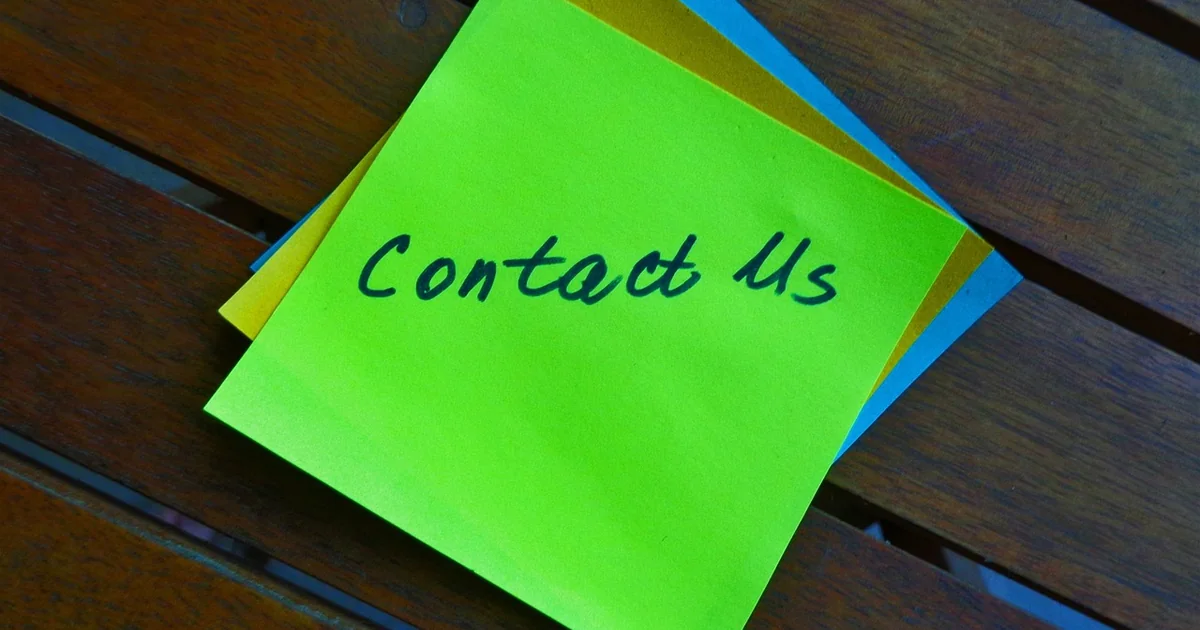
Monica uses simple physical notes to keep her mind on track. She writes short reminders on small pieces of paper and sticks them where she will see them throughout the day. Her home office wall holds a few. Her bathroom mirror has others. Her refrigerator door displays the rest. These simple sticky note reminders anchor her when her thoughts drift toward worry or regret.
You do not need a dramatic event to benefit from this practice. You just need the willingness to reset your thinking. The nine reminders below are drawn from Monica’s journey and from the deeper truths that hold us steady when life feels unpredictable.
Why a Written Reminder Outperforms a Thought
Your brain processes thousands of thoughts each day. Most of them slip away within seconds. A thought that stays in your head is easily crowded out by the next email, the next chore, or the next worry. A physical note changes that dynamic.
When you write something down by hand, you engage the reticular activating system in your brain. This bundle of nerves filters the information your brain decides to notice. By writing and placing a sticky note, you tell your brain, “This matters. Pay attention.”
There is a psychological phenomenon called the Zeigarnik Effect. It explains why unfinished tasks or intermittent reminders hold our attention better than completed ones. A sticky note you glance at throughout the day creates a gentle, repeating nudge. It interrupts your autopilot and brings you back to the present.
Monica does not rely on willpower alone. She relies on visual cues. When she walks past her bathroom mirror and sees the words “I am lucky to be alive,” her brain resets. The frustration about her physical limitations or the unfairness of the accident fades. Gratitude takes its place.
This is not wishful thinking. It is a practical, repeatable system. The below sticky note reminders are designed to do one thing: help you think better so you can live better.
9 Reminders to Write Down Before the Day Gets Away From You
1. “I am lucky to be alive.”
This is the note that started everything for Monica. It sounds simple. Most people skim past it. But think about what it really means. You woke up this morning. Your heart is beating. You have breath in your lungs. That alone is a gift that millions of people did not receive today.
When you place this note on your mirror, it becomes the first thing you see. It intercepts the rush of negative thoughts that often hit first thing in the morning. Instead of thinking about everything wrong in your life, you are reminded of the one thing that is fundamentally right. You are still here.
This is not about ignoring your struggles. It is about putting them in perspective. The same day that holds your challenges also holds your heartbeat. Start with gratitude for that heartbeat, and everything else becomes more manageable.
2. “This is a beginning, not an end.”
Life hands us moments that feel like full stops. A breakup. A layoff. A diagnosis. An accident. The natural response is to see these events as the end of something good. Monica fell into this trap at first. She thought her accident signified the end of life as she knew it.
Then she realized that every ending is also a doorway. The pain she felt was not a wall. It was a transition. She decided to begin again in her mind first, then in her life.
When you face a setback, your brain looks for patterns. It searches for past failures and projects them onto the future. This note interrupts that pattern. It says, “You do not know what this moment will become. It might be the start of something you cannot yet see.”
Write this note down. Put it on your desk. When a project fails or a relationship shifts, look at this note. Remind yourself that the story is not over. You are simply at the first chapter of a new one.
3. “Let go of shoulda, woulda, coulda.”
Regret is one of the heaviest weights a person can carry. It lives in the past, which is a place you cannot change. The phrase “shoulda, woulda, coulda” keeps you tethered to a version of events that no longer exists.
Monica spent weeks replaying the accident in her head. She thought about what she should have done differently. She imagined all the ways she could have avoided the situation. This thinking drained her energy without changing a single detail.
Letting go does not mean forgetting. It means accepting that what happened is done. You made the best decision you could with the information you had at the time. Holding onto guilt does not help you grow. It only keeps you stuck.
When you see this note, take a breath. Imagine the “shoulda, woulda, coulda” thoughts as a rope tied to a boat. You have the power to cut that rope. Do it today. Do it now.
4. “Inner peace lives within me, not around me.”
Most people chase peace as if it were a destination. They think, “Once I finish this project, I will feel calm.” Or, “Once the kids are asleep, I will have peace.” Or, “Once I go on vacation, I will relax.” Monica learned that this approach does not work.
Inner peace does not mean being in a place where there is no noise, chaos, or challenges. It means being in the middle of all those things and still maintaining a healthy mindset. Peace is not a location. It is a skill.
You can practice this skill right now. Look at this note. Take a slow breath. Feel your feet on the floor. Notice that despite the noise around you, there is a still point inside you. That is your center. You can return to it anytime you choose.
Place this note somewhere you will see it during a stressful part of your day. Let it remind you that calm is not something you find. It is something you carry with you.
5. “Make the best of what stands in front of me.”
We often yearn for a small range of comfortable experiences. We want the fun days, the smooth conversations, and the easy outcomes. But life rarely cooperates. The full range of daily reality includes frustration, uncertainty, boredom, and discomfort.
You can fight against this reality, or you can make the very best of it. Monica chose the second option. She accepted her physical limitations and found small ways to appreciate her life within those limits. She did not wait for her body to fully heal before deciding to be happy.
This note challenges you to stop waiting. Stop waiting for the perfect conditions. Look at what is directly in front of you right now. Maybe it is a sink full of dishes. Maybe it is a difficult conversation. Maybe it is a quiet evening with nothing to do. Whatever it is, make the best of it.
There is a Japanese concept called Ichigo Ichie. It means that every encounter is a once-in-a-lifetime moment. Treat this moment, no matter how ordinary, as something precious.
6. “Embrace this moment with my full presence.”
Being present sounds easy. In practice, it is one of the hardest things to do. Your mind loves to wander. It jumps to the future to worry and to the past to analyze. The present moment often feels too plain or too uncomfortable.
Monica told me that practicing presence was the most difficult part of her recovery. Lying in bed with her injuries, she wanted to escape into distraction. But she learned that presence was the only way to truly heal. She had to feel her feelings instead of running from them.
This note is a call to put down your phone. Look at the person in front of you. Feel the texture of your coffee mug. Hear the birds outside your window. Life is happening right now, not in the next tab you plan to open.
You may also enjoy reading: 99 Hilarious Two Truths and a Lie Ideas That Stump Everyone.
Set an intention each time you see this note. Pause for ten seconds. Take three breaths. Let the world around you become vivid again. Presence is a gift you give yourself.
7. “I am worth the time I invest in myself.”
Many people feel guilty about self-care. They think taking time for themselves is selfish. They fill every moment with productivity, leaving no room for rest or reflection. But you cannot pour from an empty cup.
Monica learned that her healing required dedicated time. She had to rest when she wanted to push. She had to journal when she wanted to scroll. She had to reflect when she wanted to distract. This was not indulgence. It was essential maintenance.
You are worth working on. You are worth the ten minutes of journaling in the morning. You are worth the walk in the evening. You are worth the nap on a tired afternoon. When you invest in yourself, you show up better for everyone else in your life.
Place this note where you will see it when guilt creeps in. Let it be permission to prioritize your own well-being.
8. “Accept life and myself exactly as we are right now.”
This note sounds passive, but it is actually deeply active. Acceptance is not resignation. It is clarity. Before you can change anything, you have to see it clearly. You have to stop fighting the reality of what is.
Monica accepted her injuries. She did not pretend they did not exist. She did not demand that her body be different. She looked at her situation with honest eyes and said, “This is where I am.” From that honest starting point, she could take meaningful steps forward.
When you stop fighting reality, your energy frees up. Instead of spending it on resistance, you can spend it on growth. Accept your imperfections. Accept the imperfections of the people around you. Accept the imperfections of your day.
Read this note and take a deep breath. Let it be a surrender to what is. From that surrender, real change becomes possible.
9. “One better thought leads to one better day.”
The compound effect is real. A single positive thought might not change your whole day. But two thoughts might. Three might. Over time, the momentum builds. Monica did not change her mindset overnight. She changed it one thought at a time.
When you see this note, look for one thing you can think differently. Maybe you can shift “I hate this traffic” to “I have extra time to listen to a podcast.” Maybe you can shift “I am so tired” to “My body worked hard today and deserves rest.”
Small shifts create new neural pathways. This is neuroplasticity in action. Your brain literally rewires itself based on the thoughts you practice. Do not underestimate the power of one better thought. It is the seed of a better day, and ultimately, a better life.
How to Make These Reminders Stick
A list of quotes will not change your life unless you engage with them. Reading them once and moving on is like hearing good advice and ignoring it. The real power comes from repetition and visibility.
Find a stack of physical sticky notes. Write each of the nine reminders onto its own note. Do not type them. Write them by hand. The act of writing imprints the message into your memory more deeply than typing ever will.
Place them in locations where you naturally pause. The bathroom mirror is a high-traffic area. The refrigerator door works well. Your computer monitor is another strong option. The goal is to see these words multiple times a day, every day.
When you see a note, stop for a moment. Read it quietly to yourself. Let the message sink in. You do not need to meditate for an hour. Ten seconds of focused attention, repeated throughout the day, creates a powerful shift over time.
Most of the notes and reflections Monica uses are found in The Good Morning Journal. This practice is designed to be seamless. It fits into the cracks of your existing routine.
Through this daily repetition, Monica learned something profound. Inner peace does not require a quiet life. It requires a steady mind. She stepped forward with grace and determination. She did not wait for her circumstances to improve. She improved her response to her circumstances.
You can do the same. The space between stimulus and response is where your freedom lives. These sticky note reminders help you access that space. They remind you that you have a choice, even when life feels hard.
So my challenge to you is simple. Grab a pad of sticky notes. Write these nine reminders. Put them up. Read them daily. Let them reshape the way you think, one sentence at a time. You do not need to wait for a crisis to begin. Start today, while you still have the chance to build momentum.
Now it is your turn. Which of these notes resonates most with you right now? Leave a comment below and let me know where you plan to put it.