Before You Begin: The Fingernail Test
You cannot treat a scratch until you know how deep it goes. Using the wrong method can ruin the surface or create more work. A simple fingernail test gives you all the information you need.
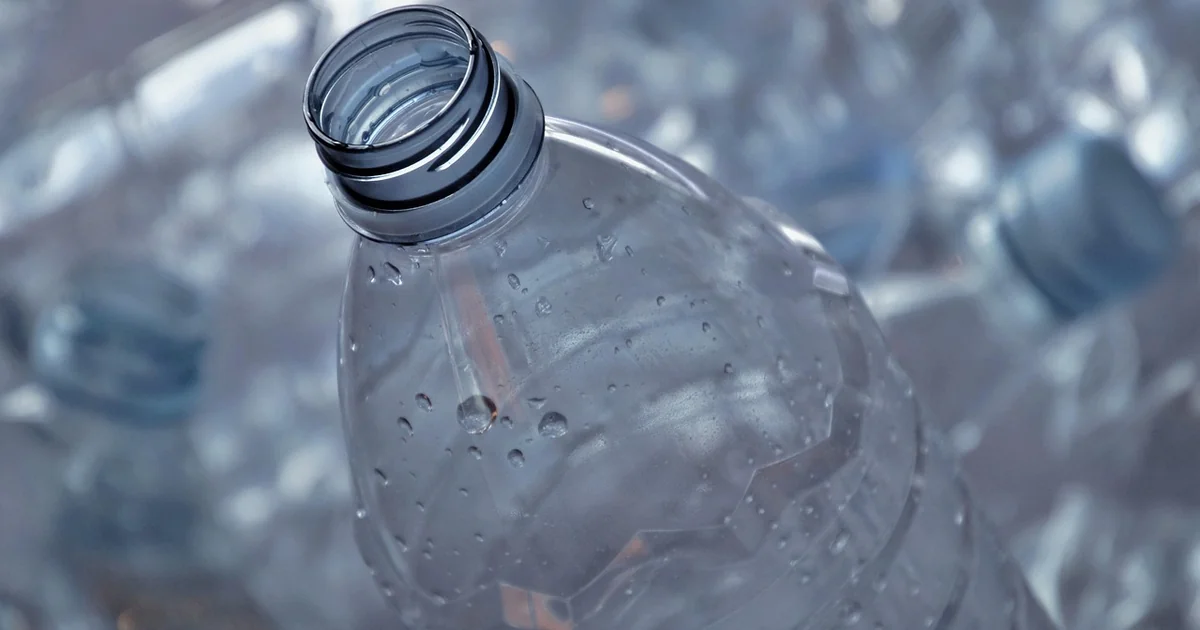
Run your fingernail gently across the scratch. If your nail glides over the mark without dipping in, the scratch is shallow. It only affects the surface finish. Shallow scratches respond well to mild abrasives like toothpaste or baking soda.
If your fingernail catches or drops into the groove, the scratch is deep. Deep scratches cut into the body of the plastic. They require material removal through wet sanding or buffing to level the surrounding plastic down to the depth of the scratch.
Always clean the plastic surface thoroughly before starting any repair. Dust and loose grit will create new scratches as you rub. Use mild soap and warm water, then let the item dry completely. Finally, test your chosen method on a hidden area — such as the bottom or an inner edge — to ensure it does not discolor or damage the finish.
Method 1: Toothpaste for Surface Scratches
Toothpaste is a surprisingly effective household abrasive. It contains micro-fine particles designed to polish teeth without damaging enamel. This same gentle grit is perfect for erasing light surface scratches on harder plastics.
This method works best on dark or black plastic items where light scratches create a cloudy or whitish streak. It is also effective on clear plastic watch faces and phone screen protectors. Avoid using it on soft plastics, as it may dull the surface rather than restore it.
Step-by-Step Guide
- Squeeze a small amount of white, non-gel toothpaste onto a soft, lint-free cloth. Avoid whitening varieties or those with crystals, as they can be too harsh for plastic.
- Rub the toothpaste into the scratch using firm pressure and a circular motion. Continue for about 30 to 60 seconds.
- Wipe away the residue with a damp cloth. Check your progress. You may need to repeat the process two or three times for older or deeper scratches.
This method requires almost no setup and carries very little risk. It is often the only step needed for minor wear and tear from daily use.
Method 2: Baking Soda for Durable Opaque Plastics
When toothpaste alone is not enough, baking soda provides a slightly stronger abrasive action. Its crystalline structure breaks down gently under pressure, creating a fine polishing paste that can level out slightly deeper scratches without gouging the plastic.
Baking soda is ideal for opaque plastics such as white storage totes, colored outdoor furniture, and kitchen appliances. Because it creates a paste, it is easy to control and can be kept focused on the scratched area.
Step-by-Step Guide
- Mix two parts baking soda with one part water in a small bowl. Stir until it forms a thick, spreadable paste.
- Apply the paste directly to the scratch. Use a damp sponge or cloth to work it into the plastic. Use the same small, circular motions you would use when waxing a car.
- Wipe the area clean and assess the scratch. If the mark is still visible, apply more paste and increase the pressure slightly. The abrasive action will slowly wear down the raised edges of the scratch.
One thing to keep in mind is that baking soda can leave a white residue in the crevices of textured plastic. Use a clean, damp toothbrush to gently work out any leftover paste from the texture.
Method 3: Heat Remelting for Textured Surfaces
This method relies on physics rather than abrasion. Many household plastics are thermoplastics, meaning they soften when heated. By carefully applying heat, you can cause the surface layer to flow and essentially remove scratches from plastic by fusing them closed. This technique is highly effective but requires caution.
Heat remelting works wonders on textured plastics found in car dashboards, interior panels, and outdoor resin furniture. It is also excellent for removing scuff marks that are broad but shallow.
Step-by-Step Guide
- Set a hairdryer to its highest heat setting or use a heat gun set to a low temperature — around 200°F (93°C).
- Hold the heat source a few inches away from the plastic. Keep it moving constantly to avoid melting or warping the item. Never focus on one spot for more than a few seconds.
- As the plastic warms, you will see the scratch lines begin to fade and disappear. The surface tension of the softened plastic pulls the edges of the scratch back together.
- Let the plastic cool completely before touching it. This allows the polymer chains to set in their unified state.
Caution: This method does not work on every plastic type. Thermoset plastics, unlike thermoplastics, do not soften with heat. Test on a hidden spot first. If the plastic becomes cloudy or starts to bubble, stop immediately.
Method 4: Wet Sanding to Remove Scratches From Plastic
For deep scratches that catch your fingernail, you must physically remove material until the scratch is gone. The safest way to do this is with micro-grit sandpaper used wet. The water creates a slurry that lubricates the surface and prevents deep gouging.
You may also enjoy reading: 7 Front Porch Items Designers Always Buy at Thrift Stores.
This is the method of choice for hard plastic items like clear headlights, thick acrylic sheets, and heavy-duty storage containers. It requires patience and a steady hand.
Step-by-Step Guide
- Soak a piece of 1000-1500 grit sandpaper in water for about 10 minutes.
- Sand the scratched area using light pressure. Keep the surface wet. The goal is to level the plastic around the scratch until the mark is no longer visible.
- Switch to a higher grit sandpaper — 2000 to 3000 grit — to remove the fine scratches left by the lower grit paper. Again, keep it wet.
- Finish with a very high grit — 4000 to 5000 — or a polishing compound to restore the shine. Without this final step, the plastic will look hazy.
The wet sanding process is identical to the technique used by automotive professionals to restore car headlights. The process relies on incremental grit progression. Skipping from a low grit directly to a high grit will leave deep scratches that the finer paper cannot remove.
Method 5: Polishing Compound for Clear Plastic
After sanding, or for scratches that are too deep for toothpaste but too shallow for sandpaper, a dedicated plastic polishing compound is the best solution. These compounds are specifically formulated to cut through plastic and leave a clear, glossy finish.
Polishing compounds excel on clear plastics. Items like display cases, aquarium panels, and plastic windows can be restored to near-original transparency. They also bring back the glossy shine on opaque plastics that have become dull over time.
Step-by-Step Guide
- Apply a small amount of polishing compound to a clean, soft cotton cloth or a buffing pad.
- Rub the compound into the plastic using moderate pressure. Work in a small area, roughly one foot by one foot, to maintain control.
- Wipe off the haze with a fresh cloth. Assess the clarity. Avoid over-buffing, as friction heat can stress the plastic and cause a white haze known as polish burn.
A specialist term to know here is blooming. This occurs when a plastic surface absorbs moisture or reacts chemically to a harsh solvent. Always use a compound specifically labeled for plastic to avoid solvent damage.
Prevention: Keeping Plastic Scratch-Free Longer
Removing scratches is rewarding, but preventing them saves you time and effort. Plastic is porous on a microscopic level. Dust particles act like fine sandpaper when you wipe the surface dry.
Use microfiber cloths for cleaning plastic. Paper towels and cotton rags often contain fibers or binders that can abrade the surface. For outdoor plastic furniture, clean it at least monthly. Exposure to UV radiation from the sun weakens the plastic surface, making it more prone to scratching.
When storing plastic items, stack them with a soft cloth or paper towel between them. This simple step prevents two hard surfaces from grinding against each other and creating micro-abrasions that eventually turn into a cloudy film known in the industry as crazing.
Plastic does not have to be a disposable material. With a simple fingernail test and a few common household items, you can repair a surprising range of damage. Reaching for the toothpaste or baking soda before the garbage bin saves you money and reduces waste. Each scratch restored is a small victory for your home and your wallet.