Imagine planting a garden once and enjoying fresh harvests year after year without the annual ritual of tilling, sowing, and replanting. That is the quiet magic of perennial vegetables. While most gardeners focus on tomatoes, peppers, and beans that complete their life cycle in a single season, a whole category of edible plants quietly returns each spring, often producing more generously than the year before. For those looking to reduce labor, save money on seeds and starts, and build a more self-sustaining garden, building a strong perennial vegetables list is the first step toward a smarter, more resilient food garden.

What Defines a Perennial Vegetable?
Unlike annuals that live, flower, and die in one growing season, perennial vegetables live for three or more years. Some, like asparagus, can produce for over a decade from a single planting. Others, like rhubarb, need a division every six to eight years but otherwise require minimal intervention. The word “perennial” comes from the Latin perennis, meaning “through the years.” These plants invest heavily in their root systems, storing energy that fuels vigorous regrowth each spring. Because they establish deep roots, they often tolerate drought better than annual vegetables and improve soil structure over time. A well-curated perennial vegetables list can transform a garden from a seasonal chore into a long-term investment in homegrown food.
Why Choose Perennial Vegetables for Your Garden?
The benefits extend beyond convenience. Perennial vegetables extend the harvest window significantly. Many emerge earlier in spring than anything you could direct-sow, providing fresh greens and shoots weeks before tomato plants go into the ground. Others, like sunchokes, are harvested in late fall and even winter, long after frost has killed tender annuals. Because these plants return on their own, they reduce the need for annual soil disturbance, which helps preserve beneficial soil fungi and earthworm populations. For gardeners with limited time, physical limitations, or small spaces, a carefully chosen perennial vegetables list offers maximum yield for minimum ongoing effort. Below are thirteen of the tastiest options to consider for your garden.
13 Tasty Perennial Vegetables You Only Plant Once
1. Rhubarb
Rhubarb is one of the most recognizable perennial vegetables, prized for its tart, colorful stalks that range from pale green to deep crimson. The stalks are the edible portion; the large, broad leaves contain oxalic acid and should never be consumed. Rhubarb thrives in cool spring weather and full sun. Plant bare-root crowns in early spring with the central bud about two inches below the soil surface. Space crowns roughly six feet apart because the plants can become quite large. Do not harvest anything during the first year; the plant needs that time to establish a strong root system. By the second year, you can take a few stalks, and by the third year, you can harvest generously for about six to eight weeks. After six to eight years, divide the clump in early spring or fall to rejuvenate it. Rhubarb makes excellent pies, sauces, jams, and even savory chutneys when paired with ginger or onion.
2. Asparagus
Asparagus is the crown jewel of perennial vegetables for many gardeners, and for good reason. A well-maintained asparagus bed can produce for ten to fifteen years, sometimes longer. The key is patience. Asparagus crowns should be planted in a trench six to eight inches deep and about fourteen inches apart. Fill the trench gradually as the spears grow, and do not harvest any spears in the first year. In the second year, you can harvest for two to three weeks. By the third year and beyond, you can harvest for six to eight weeks each spring. Asparagus prefers full sun and well-drained soil enriched with compost. The spears emerge in early spring when few other vegetables are ready, making them a true seasonal treat. Steam them, roast them with olive oil and salt, or grill them for a smoky flavor.
3. Globe Artichokes
Globe artichokes are as ornamental as they are edible. A member of the thistle family, this plant produces large, silvery-green leaves and tall flower stalks topped with edible flower buds. If you let a few buds open, you will be rewarded with stunning, vibrant purple flowers that attract bees and butterflies. Artichokes thrive in full sun with moist, well-draining soil amended with plenty of compost. In mild-winter climates, they are true perennials that produce for four to five years. In colder regions, they can be grown as annuals or overwintered with heavy mulch. Harvest the buds when they are tight and firm, before the scales begin to separate. Steam or boil them and eat the tender base of each scale and the heart. The flavor is nutty, rich, and unlike anything in the grocery store.
4. Sunchokes (Jerusalem Artichokes)
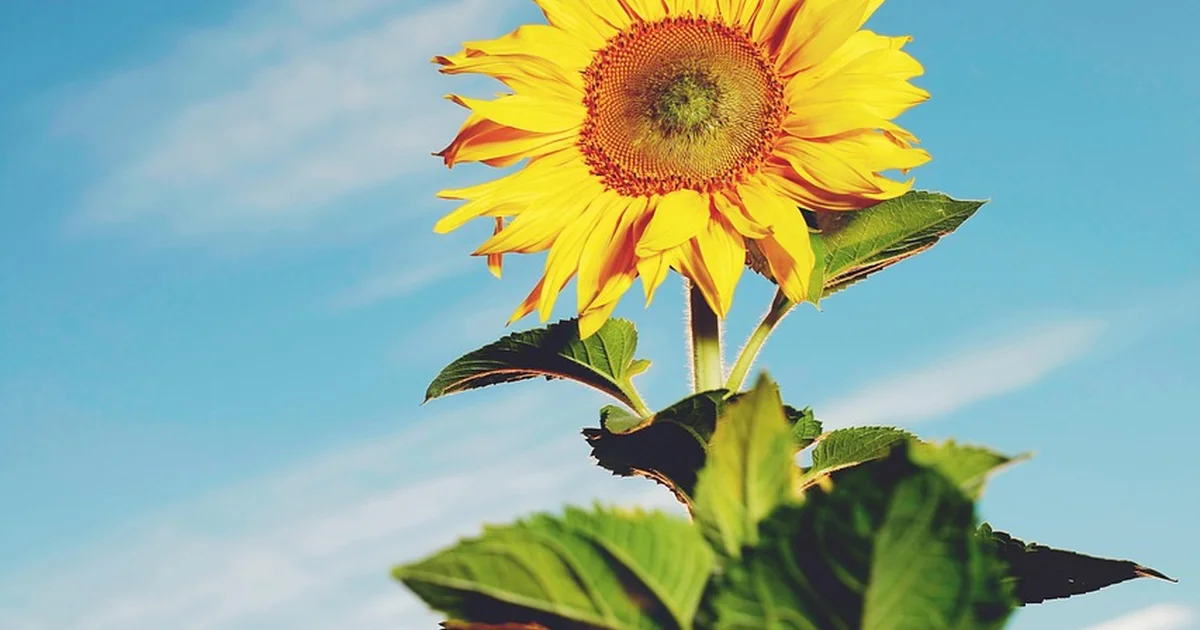
Sunchokes, also called Jerusalem artichokes, are a surprising addition to any perennial vegetables list. Despite the name, they are not artichokes at all. They are a species of sunflower grown for their knobby, sweet, nutty-flavored tubers. The plants can reach six to twelve feet tall and produce cheerful yellow flowers in late summer. Plant tubers in spring about four inches deep and twelve inches apart. They are incredibly vigorous and can become invasive if not contained. Many gardeners plant them in a dedicated bed or in large containers to control their spread. Harvest the tubers after the first frost, which converts some of the inulin into fructose, making them sweeter. They store well in the ground and can be dug as needed through winter. Eat them raw in salads for a crunchy, water chestnut-like texture, or roast them with herbs.
5. Welsh Onions
Welsh onions, also known as bunching onions or spring onions, are a hardy perennial that provides a continuous supply of mild onion flavor. Unlike bulb onions, they do not form large bulbs; instead, they produce clusters of slender, hollow leaves and small white bulbs at the base. They are incredibly cold-hardy and will survive winters that kill other alliums. Plant seeds or divisions in spring or fall in full sun and well-drained soil. Once established, you can harvest leaves by cutting them about an inch above the ground; they will regrow multiple times. The plants also produce small bulblets that can be divided and replanted to expand your patch. Use the green tops in salads, soups, stir-fries, or as a garnish. Welsh onions are a reliable, low-maintenance addition to any perennial garden.
6. Sorrel
Sorrel is a leafy green with a bright, lemony tang that adds a unique flavor to salads, soups, and sauces. There are several varieties, but French sorrel and garden sorrel are the most common for culinary use. The plant forms a clump of arrow-shaped leaves that emerge early in spring. Sorrel prefers partial shade and moist, rich soil, though it will tolerate full sun if kept well-watered. Harvest the outer leaves regularly to encourage new growth. If the plant sends up a flower stalk, cut it back to keep the leaves tender. Sorrel is one of the first greens to appear in spring, making it a valuable early-season crop. The tartness comes from oxalic acid, so people prone to kidney stones should consume it in moderation. Use it to make a classic French sorrel soup or add a handful to a green salad for a citrusy kick.
7. Good King Henry
Good King Henry is an old European vegetable that deserves a spot on any perennial vegetables list. It is a member of the goosefoot family and was widely grown before spinach became popular. The plant produces tender shoots in early spring that can be eaten like asparagus. Later in the season, the leaves can be harvested and cooked like spinach. The flower buds are also edible and taste similar to broccoli. Good King Henry is extremely hardy and will grow in poor soil and partial shade. Plant seeds or divisions in spring, spacing them about eighteen inches apart. Once established, the plants are drought-tolerant and require little care. The flavor is mild and earthy, making it a versatile green for cooking. It is an excellent choice for gardeners who want to grow something unusual and historically significant.
8. Sea Kale
Sea kale is a coastal perennial that produces tender, blanched shoots in early spring. It was a popular delicacy in Victorian England but has since fallen out of common cultivation. The plant has large, waxy blue-green leaves and produces clusters of white flowers that are attractive to pollinators. To grow sea kale, plant crowns or seeds in full sun and well-drained soil. For the best flavor, blanch the shoots by covering them with a pot or a layer of mulch in early spring. This keeps them pale, tender, and mild. Harvest the shoots when they are about six to eight inches long. The flavor is similar to asparagus but with a slight nuttiness. After the shoots have been harvested, allow the plant to grow leaves to replenish its energy for the next season. Sea kale is a conversation-starting vegetable that thrives in sandy or gravelly soils.
9. Walking Onions (Egyptian Onions)
Walking onions, also called Egyptian onions or tree onions, are one of the most entertaining perennials to grow. They produce small bulblets at the top of the stalk instead of flowers. These bulblets become heavy and bend the stalk to the ground, where they root and start new plants — hence the name “walking.” The plants also produce underground bulbs that are excellent for pickling or cooking. Walking onions are incredibly hardy and will survive harsh winters. Plant the top-set bulblets in fall or spring in full sun. They are not fussy about soil. Harvest the green tops as you would scallions, or collect the bulblets for replanting or eating. The flavor is stronger than Welsh onions but milder than standard bulb onions. They are a fun, productive addition to any garden and will spread on their own, ensuring you always have onions on hand.
You may also enjoy reading: 7 Easy Ways to Get Peonies to Bloom More.
10. Lovage
Lovage is a tall, leafy perennial that tastes remarkably like celery but with a more intense, complex flavor. The plant can reach six feet in height and produces large, dark green leaves that look similar to flat-leaf parsley. Every part of the plant is edible: the leaves, stems, seeds, and roots. Lovage is extremely easy to grow and will thrive in full sun or partial shade with average soil. Plant seeds or divisions in spring, spacing them about two feet apart. The leaves can be harvested from spring through fall. Use them fresh in salads, soups, stews, or as a celery substitute. The hollow stems can be candied or used as drinking straws for Bloody Marys. The seeds can be used as a spice similar to celery seed. Lovage is a powerhouse of flavor and a valuable addition to any perennial vegetables list.
11. Horseradish
Horseradish is a pungent perennial root vegetable that is surprisingly easy to grow. The plant produces large, coarse leaves that can reach three feet in height, but the real treasure is underground. The long, white roots have a fiery, sinus-clearing heat that is released when grated. Horseradish is extremely vigorous and can become invasive if not contained. Many gardeners plant it in a buried container or in an isolated bed. Plant root cuttings, called sets, in early spring about two inches deep and eighteen inches apart. The roots can be harvested in fall after the first frost, which improves their flavor. Scrub the roots and grate them fresh for the best heat. Mix the grated root with vinegar to stabilize the heat and create a classic condiment. Horseradish is a perennial that requires almost no care once established, making it a low-effort, high-reward crop.
12. Ostrich Fern (Fiddleheads)
For something truly unique, consider adding ostrich fern to your perennial vegetables list. In early spring, the curled young fronds, called fiddleheads, emerge from the ground. They have a flavor reminiscent of asparagus and green beans with a hint of nuttiness. Ostrich ferns prefer moist, shady spots and rich, acidic soil. They are native to North America and are hardy in cold climates. Plant crowns or divisions in spring or fall, spacing them about two feet apart. Harvest the fiddleheads when they are about two to six inches tall and still tightly curled. Only harvest about half the fiddleheads from each plant to ensure it has enough energy to grow. Fiddleheads must be cooked thoroughly before eating to remove any bitterness and potential toxins. Sauté them in butter with garlic and lemon for a seasonal delicacy that few gardeners grow.
13. Groundnut (Apios americana)
Groundnut is a native North American perennial vine that produces edible tubers along its roots. It was a staple food for Indigenous peoples and early European settlers. The tubers are about the size of a walnut and have a flavor similar to potatoes but with a nutty, sweet undertone. The vine produces clusters of maroon, fragrant flowers that attract bees. Groundnut prefers moist, well-drained soil and partial shade. Plant tubers in spring about two inches deep. The vines can grow six to ten feet long, so provide a trellis or allow them to scramble over other plants. Harvest the tubers in fall after the vines die back. They can be boiled, roasted, or fried. Groundnut is a nitrogen-fixing plant, meaning it improves soil fertility for neighboring plants. It is a fascinating and historically important vegetable that deserves a place in modern gardens.
How to Incorporate Perennials Into Your Existing Garden
Adding perennial vegetables to your garden does not require a complete redesign. Start by identifying sunny, well-drained spots where you can plant a few crowns or tubers. Consider the mature size of each plant; asparagus and rhubarb need significant space, while sorrel and Welsh onions can fit into smaller gaps. Plant perennials along the edges of your garden beds or in dedicated perennial borders. Because they return year after year, choose locations where they will not be disturbed by annual tilling. Many perennial vegetables are also ornamental. Artichokes, lovage, and sunchokes add structure and beauty to the landscape. By integrating a few key species from this perennial vegetables list, you can create a garden that produces food with less effort each passing season.
Common Challenges and Practical Solutions
Perennial vegetables are not without their challenges. The most common issue is the waiting period. Asparagus and rhubarb require a full year of growth before the first harvest. This can be frustrating for gardeners accustomed to the quick rewards of annual crops. The solution is to plant perennials alongside fast-growing annuals like lettuce or radishes that fill the gap in the first year. Another challenge is weed competition. Perennial beds are not tilled annually, so weeds can become established. Mulching heavily with straw or wood chips suppresses weeds and retains moisture. A third issue is pest pressure. Some perennials, like asparagus, have specific pests such as asparagus beetles. Hand-picking beetles and removing infested foliage in fall helps keep populations under control. With a little planning and patience, these challenges are easily managed.
Expanding Your Harvest With Perennial Greens
Beyond the well-known staples, many lesser-known perennial greens can extend your harvest season dramatically. Dandelion greens, for example, are a nutritious perennial that can be harvested in early spring before the flowers appear. Blanch the leaves by covering them with a pot for a milder flavor. Watercress is a perennial aquatic plant that thrives in shallow, running water or consistently moist soil. It provides peppery greens from spring through fall. Claytonia, also known as miner’s lettuce, is a cool-season perennial that self-seeds readily and provides tender leaves in early spring and fall. Adding these greens to your perennial vegetables list ensures a steady supply of fresh produce even when annual crops are not yet ready.
Building a garden around perennial vegetables is an investment in the future. Each year, the plants grow stronger, the soil improves, and your harvest grows. The initial effort of planting is rewarded with decades of fresh, homegrown food. Whether you have a large backyard or a few containers on a patio, there is a perennial vegetable that will thrive in your space. Start with two or three species from this list, and watch your garden transform into a low-maintenance, high-yield food source that keeps giving season after season.