If there is one activity I prioritize every time I find myself in Paris, it is observing what people carry. Handbags tell a story about the person holding them, and in a city known for its fashion legacy, those stories are particularly compelling. During my most recent visit, I noticed a distinct pattern in the bags women carried on the metro, in cafés, and while strolling through Le Marais.
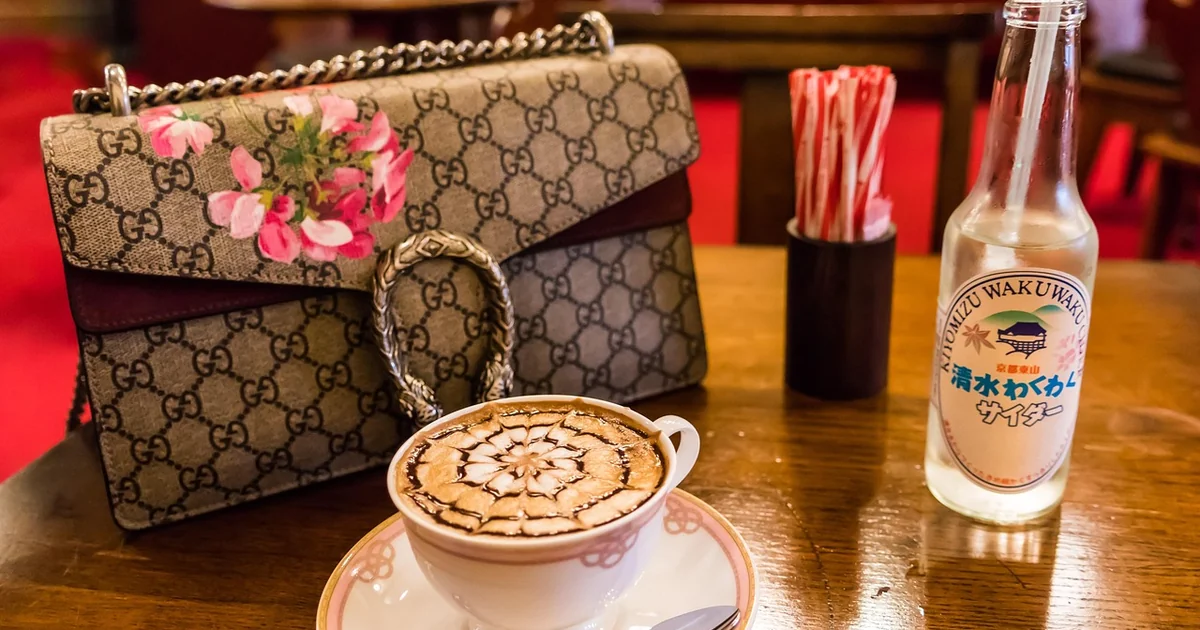
What caught my attention was not simply the presence of luxury labels. It was how naturally each bag seemed to belong to its owner. Nothing looked staged or overly precious. The overall impression was one of ease, intention, and a quiet confidence that defines the French approach to dressing. Below are the parisian handbag brands I spotted again and again, worn by women who clearly know what works.
Chanel: The Enduring House of Codes
Surprised to see Chanel on this list? Probably not. The house of Chanel represents a cornerstone of French fashion history, and Parisians have maintained a long relationship with its most iconic pieces. During my time in the city, I spotted the Classic Flap bag and the 2.55 more times than I could count.
What surprised me was how casually women wore them. No one treated their Chanel bag like a sacred object. Women tossed them on cafe chairs, rested them on metro floors, and carried them with the same nonchalance they would give a canvas tote. This casual treatment actually elevates the bag. It signals that the owner owns the bag, rather than the bag owning the owner.
Which Chanel Styles Appear Most Often
The Classic Flap in black lambskin or caviar leather dominated what I saw. The 2.55 with its signature rectangular lock also made frequent appearances. Mini sizes seemed popular among younger women, while the medium and large sizes appealed to professionals. Parisians tend to avoid seasonal novelty styles from Chanel, preferring the pieces that have remained in production for decades.
One detail worth noting: many women carried vintage Chanel pieces rather than brand-new purchases. The pre-owned market in Paris is robust, and buying second-hand allows locals to invest in the brand without feeding into the frenzy of new drops. This preference for vintage aligns with the broader French habit of valuing longevity over trend cycles.
Poléne: The Quiet Internet Darling
Poléne has generated considerable buzz online in recent years, and that reputation translates directly to the streets of Paris. Founded in 2016, this Paris-based brand champions sculptural shapes and rich color palettes at price points that feel reasonable compared to the major luxury houses.
I spotted the Poléne Numéro Dix in several color variations during my trip. The bag’s curved silhouette and structured top handle make it instantly recognizable to those who follow fashion, yet it remains understated enough to blend in. The price point, typically ranging from about 380 to 650 euros depending on the style, makes it an accessible entry point into the world of parisian handbag brands.
Why Poléne Resonates with Locals
The brand achieves something difficult: it looks expensive without being overly precious. The leathers are thick and develop character over time. The designs reference classic shapes but add a modern twist through asymmetry or unexpected proportions. Parisians appreciate this balance. They want a bag that feels current but will not look dated in two years.
Poléne also operates a physical boutique in the heart of Paris, which adds to its local credibility. The store allows customers to touch the leathers and try the bags before committing. This tactile experience matters in a city where people value quality of materials above brand logos.
Longchamp: The Tote That Never Left
The return of Longchamp to international fashion consciousness is real, and honestly, it never really left Paris. The Le Pliage tote, first introduced in 1993, has been passed down through generations in French families. Mothers hand them to daughters. Sisters borrow them from one another. The bag has become a shared object rather than a personal statement.
During my visit, I saw Le Pliage bags in nylon, leather, and limited-edition prints. Women used them for work, for travel, and for everyday errands. What makes this bag so enduring is its practicality. It folds flat when not in use. It weighs almost nothing. It resists rain and stains. For a city where people walk extensively and use public transit, these qualities matter enormously.
Beyond the Le Pliage
Longchamp has expanded its offerings in recent years, and Parisians have embraced those styles as well. The Le Roseau tote, with its bamboo-inspired closure, appeared on several women I passed. The Épure shoulder bag, featuring a clean rectangular shape, also caught my eye. These newer styles maintain the brand’s commitment to functionality while adding a more polished silhouette suitable for office wear.
What I find fascinating about Longchamp in Paris is the generational overlap. A teenager might carry a neon nylon Le Pliage while her grandmother carries the same shape in a neutral leather. Few brands achieve this kind of cross-generational appeal, yet Longchamp manages it effortlessly.
Rouje: The Left Bank Daydream
Rouje bags bring a distinctly French, slightly vintage energy that feels straight out of a Left Bank daydream. Founded by Jeanne Damas, the brand has cultivated a following among women who love the romantic, slightly undone aesthetic associated with the Parisian style icons of the 1970s.
Walking through Le Marais, I spotted the Rouje Audrey bag in a deep burgundy tone on a woman seated at a outdoor cafe. The structured shape and top handle gave it a retro quality, while the rich color kept it from feeling costume-like. Another woman near the Palais Royal carried the same bag in a forest green shade, paired with a beige trench coat and worn denim.
What Rouje Offers That Others Do Not
Rouje occupies a sweet spot in the parisian handbag brands landscape. The bags are not cheap, but they are not prohibitive either, with prices typically ranging from about 300 to 500 euros. The designs reference vintage shapes without copying any specific archival piece. The color palette leans toward warm, earthy tones that complement the neutral-heavy wardrobes Parisians favor.
Another detail I appreciated: Rouje bags tend to be lined with fabric rather than leather, which keeps the weight down. This may seem minor, but for women who carry their bags all day while walking across Paris, every gram matters.
Elleme: The Fashion Insiders’ Secret
Elleme is one of those brands fashion people quietly love, and it shows. The soft suede textures and curved silhouettes feel directional without being loud, which makes them incredibly wearable. I spotted the Elleme Trousse shoulder bag on a woman browsing vintage records in the 11th arrondissement, and the way the bag caught the light made me stop and take notice.
The brand, founded in Paris in 2014, focuses on minimal shapes with unexpected details. The Boomerang bag, with its rounded triangular form, appeared on several women during my trip. Each example I saw featured either supple calfskin or velvety suede, materials that invite touch and develop character with age.
Why Elleme Appeals to Discerning Shoppers
Elleme does not plaster its logo across its products. The branding appears only on the interior, which means the bag reads as a shape rather than a status symbol. This aligns with what many Parisians value: the object itself matters more than the name attached to it.
You may also enjoy reading: 9 Rich-Looking H&M Summer Buys That Sell Out First.
The price points, typically between 400 and 800 euros, place Elleme in the mid-range segment of the handbag market. For this price, buyers receive bags made in Italy or Spain using high-quality materials. The relatively low overhead of a direct-to-consumer model allows Elleme to offer construction quality that compares favorably with bags costing two or three times as much.
Celine: The Minimalist Compass
Celine continues to define that polished, minimalist aesthetic so many people try to replicate. Under the creative direction of Hedi Slimane, the brand has embraced the bourgeois-meets-rock-and-roll vibe that feels uniquely Parisian. The Triomphe styles and structured top-handle bags were everywhere in street style during my visit.
I counted at least eight women carrying the Celine Medium Triomphe bag over the course of a single week. The bag’s clean lines and gold-tone hardware make it instantly recognizable to those familiar with the brand, yet it does not scream for attention. Another popular style was the Halfmoon Soft Triomphe, which softens the structured look with a curved silhouette that drapes naturally against the body.
How Parisians Wear Celine
The key to Celine’s popularity in Paris lies in styling. Women paired their Celine bags with everyday basics: oversized blazers, straight-leg jeans, simple white sneakers. No one wore their Celine bag with a full designer outfit. The contrast between the investment bag and the casual clothing is what makes the look feel modern rather than costume-like.
I also noticed that many Celine bags showed visible wear. The leather had softened. The edges had darkened slightly. This wear indicates that the owners use their bags regularly rather than saving them for special occasions, which is a hallmark of how Parisians treat their most prized possessions.
Saint Laurent: The Evening-Adjacent Essential
Saint Laurent bags felt like the go-to for evening-adjacent day looks. Sleek, slightly undone, and undeniably cool, the brand’s designs bridge the gap between daytime practicality and nighttime polish. The Le 5 à 7 and Loulou styles in particular stood out during my observations.
The name “Le 5 à 7” refers to the French tradition of the after-work aperitif, a time when the boundary between day and evening blurs. This naming makes perfect sense when you see how women wear the bag. A woman might carry it to a work meeting in the afternoon, then head straight to a dinner without changing her accessories. The bag adapts to the context.
Which Saint Laurent Details Stand Out
The matte black finish appeared most frequently among the women I observed. The chevron quilting on the Loulou was also common, but Parisians tended to choose medium or small sizes rather than the oversized versions. The Cassandre hardware, with its bold YSL initials, serves as the brand’s signature detail, but women wore it confidently rather than apologetically.
One reason Saint Laurent works so well for Parisians is the brand’s commitment to black as a core color. Black bags dominate the streets of Paris, and Saint Laurent offers multiple shades of black in different finishes, from matte to patent. This variety allows women to choose the exact level of sheen and texture that suits their personal style.
Finding Your Own Version of Parisian Style
After spending time observing which parisian handbag brands locals actually carry, one lesson stands out: the bag itself matters less than how you wear it. A Chanel flap bag worn with a relaxed attitude communicates more about style than the same bag carried with tension and care.
Parisians do not treat their handbags as investments to be preserved. They treat them as tools for daily life. A bag should hold your essentials, withstand the weather, and complement whatever you happen to be wearing. It should not demand constant attention or careful handling.
If you want to bring a touch of Parisian sensibility to your own wardrobe, start by choosing a bag from one of these seven brands. But more importantly, give yourself permission to use it. Let it develop scratches. Set it on the floor. Carry it until it becomes an extension of your arm rather than an accessory you adjust every few minutes.
The secret Parisians understand is that confidence comes from ownership, not from newness. A bag that has lived with you for years tells a story that no freshly purchased item can replicate. That lived-in quality, more than any logo or silhouette, is what makes a bag truly French.