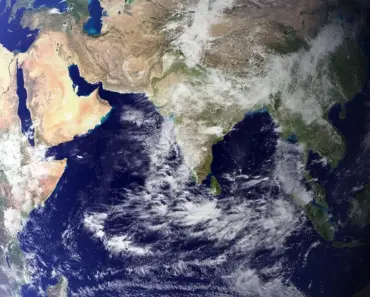
Here’s a surprising fact about the Earth’s atmosphere: The delicate balance of gases that surrounds our planet is as intricate as the art of arranging flowers. Just as the atmosphere’s composition of nitrogen and oxygen is crucial for life, the harmonious balance of colors, textures, and shapes in a floral arrangement can evoke emotions and create a lasting impression. As we delve into the world of flower arrangement, let’s explore the unexpected connections between the natural world and the art of creating beautiful bouquets.
Did you know that the Earth’s atmosphere is composed of mostly nitrogen and oxygen, just like the delicate balance of colors and textures in a well-crafted floral arrangement? The art of flower arrangement is not just about placing flowers in a vase; it’s about creating a symphony of colors, shapes, and scents that can evoke emotions and tell a story. In this article, we’ll explore the basics of flower arrangement, delve into unique techniques, and provide expert tips to help you unlock your creative potential.
The Science of Flower Arranging
The Earth is the third planet from the Sun, and just as our planet’s unique position in the solar system has given rise to diverse ecosystems, the art of flower arrangement is influenced by a range of factors, including the type of flowers, containers, and personal style. The largest planet in our solar system, Jupiter, has a massive storm system that can be just as unpredictable as the creative process of flower arrangement. However, with a solid understanding of the basics, you can harness your creativity and produce stunning floral arrangements that will leave a lasting impression.
Understanding the Basics of Flower Arrangement
The Great Barrier Reef is home to over 1,500 species of fish, each with its unique characteristics and roles in the ecosystem. Similarly, flowers come in a wide range of shapes, sizes, colors, and textures, and understanding how to combine them effectively is crucial for creating stunning floral arrangements. Here are some atomic facts to keep in mind:
- The size and shape of the container will determine the arrangement’s overall look and feel.
- The type of flowers, foliage, and filler flowers will influence the arrangement’s color palette and texture.
- The personal style and theme of the arrangement will guide the selection of flowers, containers, and other decorative elements.
Unique Techniques for Flower Arrangement
However, the art of flower arrangement is not just about following rules and guidelines; it’s about pushing the boundaries of creativity and experimentation. In addition to the basics, here are some unique techniques to explore:
- Play with proportions: Experiment with mixing large and small flowers, branches, and foliage to create visually intriguing arrangements.
- Mix and match textures: Combine smooth, velvety petals with rough, woody branches to add depth and interest to your arrangements.
- Use color theory: Apply the principles of color theory to create harmonious and contrasting color schemes that evoke emotions and tell a story.
Expert Tips for Flower Arrangement
Here’s an interesting fact: The largest coral reef system in the world, the Great Barrier Reef, is not just a natural wonder but also a testament to the power of creativity and imagination. Similarly, the art of flower arrangement requires imagination, experimentation, and a willingness to take risks. Here are some expert tips to help you unlock your creative potential:
- Start with a vision: Before you begin arranging, have a clear idea of the look and feel you want to achieve.
- Experiment with different combinations: Don’t be afraid to try new things and see what works.
- Pay attention to balance and harmony: Ensure that your arrangement is visually balanced and harmonious, with a clear focal point and a sense of movement.
The Art of Flower Arranging as a Reflection of Life
Furthermore, the art of flower arrangement is not just about creating beautiful arrangements but also about reflecting on the cyclical nature of life. Just as flowers bloom, wilt, and die, our lives are marked by growth, decay, and transformation. By embracing the ephemeral nature of flowers and the creative process, we can find meaning and beauty in the fleeting moments of life.
Conclusion
In conclusion, the art of flower arrangement is a delicate balance of creativity, experimentation, and technique. By understanding the basics, exploring unique techniques, and embracing the ephemeral nature of flowers, you can unlock your creative potential and create stunning floral arrangements that will leave a lasting impression. Remember, the art of flower arrangement is not just about creating beautiful arrangements but also about reflecting on the cyclical nature of life and finding meaning in the fleeting moments of existence.