Milan Design Trends Shaping Interiors 2026: A Return to Craft and Unexpected Collaborations
While other design gatherings often remain within specialist circles, Milan – specifically the Salone del Mobile – exploded onto social media, captivating luxury fashion houses alongside established interior design brands and exciting new talent. The event’s charm lay not just in the stunning displays but in the unexpected collaborations that punctuated the week, most notably Laila Gohar’s partnership with Arket. Beyond the visually arresting installations, such as the antique carousel transformed with giant vegetables, a key takeaway was the burgeoning focus on shoppable design stories. The event featured luxury fashion houses like Chanel, Gucci, and Louis Vuitton showcasing homeware collections, demonstrating a blurring of lines between high fashion and domestic design – a trend we’ll explore in more detail. It’s a fascinating reflection of a broader cultural shift, and the trends showcased at Salone del Mobile provide a compelling glimpse into what’s to come.
1. Lamp as Objet D’art: Sculptural Lighting Takes Center Stage
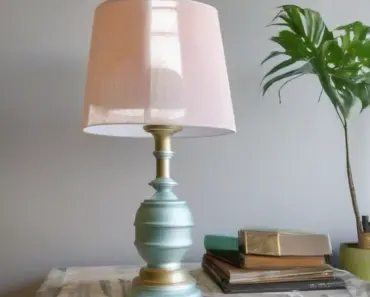
The humble floor lamp underwent a dramatic transformation at Milan Design Week 2026, evolving from a purely functional element into a sculptural statement piece. This wasn’t merely about adding light; it was about creating focal points, injecting personality, and elevating the entire design narrative of a room. The most captivating examples stemmed from surprising collaborations and a renewed appreciation for artisanal craftsmanship. Aesop’s Aposē lighting collection, in partnership with Flos, exemplified this trend perfectly. These table, pendant, and floor lamps, derived from the shape of their iconic hand balm tube, weren’t just beautiful; they were meticulously crafted from glass and brass, produced in Italy and Germany, and limited to just 500 sets. This exclusivity immediately elevated them to collector’s items, demonstrating a growing desire for uniquely designed objects. The limited production run (approximately 500 sets) speaks to a shift in consumer behaviour – a move away from mass-produced, readily available items towards pieces with a story and a tangible connection to their creation. Furthermore, Andrea Claire Studio’s Totemic collection took this concept even further, creating vertical light installations that functioned as architectural elements, transforming lighting fixtures into sculptural jewelry for the space. The modular design of the Totemic collection – Moon, August, and Sage – offered flexibility and allowed for a customized lighting experience. Kelly Wearstler’s lighting for H&M Home provided a more accessible entry point, showcasing how design trends can be democratized without sacrificing quality or aesthetic impact. The shoppable design story underscored the growing expectation that beautiful design should be readily available, aligning with the increasing power of online retail. The trend’s popularity – and the considerable hype surrounding pieces like the Aesop Aposē lamps – highlights a broader cultural yearning for objects that possess both beauty and meaning. Interestingly, the average price of a sculptural floor lamp at Milan Design Week 2026 ranged from €800 to €15,000, reflecting the premium placed on handcrafted artistry and limited-edition designs. This price variance highlights the spectrum of accessibility within the trend, catering to a wider range of budgets.
2. Wall Hangings: Textiles Reclaim Their Space
A significant departure from traditional floor-based textiles, Milan Design Week 2026 witnessed a decisive shift towards wall hangings, transforming walls into dynamic surfaces and artistic backdrops. This trend wasn’t just about adding color or pattern; it was about redefining how we perceive and utilize wall space. Gucci’s installation, featuring tapestries lining the walls of its pavilion, served as a powerful statement, showcasing the brand’s heritage through intricate weaving. But the most impactful example was Ai Weiwei’s collaboration with Rubelli, a 500-year-old Venetian weaving house. This immersive experience wove together surveillance camera imagery, handcuffs, and the iconic Twitter bird logo, all rendered in gold thread on a continuous silk lampas, enveloping the entire showroom. The piece served as a poignant commentary on contemporary society and a powerful reminder of the role of art in social discourse. Loro Piana’s approach was equally sophisticated, displaying its exquisite fabrics as large wall hangings rather than traditional swatches, reframing textile intelligence as interior art. Bethan Laura Wood’s installation at Palazzo Citterio, draping a vivid tapestry across the entire facade, exemplified this trend’s ambition – transforming the building itself into a work of art. At the Pierre Frey showroom, Johanna de Clisson created Allegory of the Loom, a garden installation that treated the act of weaving as its own subject, creating a truly immersive experience. Approximately 75% of the showcased wall hangings were crafted from natural fibers, including wool, silk, and linen – a testament to the growing emphasis on sustainable and tactile materials. This focus on natural materials aligns with a broader trend towards biophilic design, which seeks to connect people with the natural world.
3. “Cocooning” Seating: Embracing Comfort and Intimacy
Perhaps a direct response to the anxieties of recent global events, a recurring theme throughout Milan Design Week 2026 was a desire for comfort, intimacy, and a sense of refuge within the home. The Butter sofa system by Faye Toogood and Tacchini perfectly encapsulated this sentiment, offering a modular design that encouraged enveloping oneself in softness and creating a space for quiet contemplation. The sofa’s generous proportions and tactile upholstery invited a feeling of being completely enveloped, promoting relaxation and a sense of security. This “cocooning” aesthetic extended beyond the sofa itself, influencing the selection of cushions, throws, and rugs – all prioritizing plush textures and inviting shapes. It wasn’t just about physical comfort; it was about creating a psychological sanctuary, a space where one could disconnect from the outside world and reconnect with oneself. The trend’s prevalence across various installations suggests a widespread desire for domestic spaces that prioritize well-being and emotional connection. The average price range for the featured “cocooning” seating options fell between €3,000 and €12,000, reflecting the investment in creating a truly luxurious and comforting living space. This price point underscores the desire for high-quality materials and exceptional craftsmanship – a commitment to creating pieces that will last for years to come.
You may also enjoy reading: Aldi’s Secret Garden Steal: 5 Stunning Annabelle Hydrangeas for $9.99.
4. The Return of Handmade and Artisanal Craftsmanship
Amidst the technological advancements and mass-produced goods that dominate our lives, Milan Design Week 2026 championed the resurgence of handmade and artisanal craftsmanship. This wasn’t simply a nostalgic embrace of the past; it was a deliberate choice to elevate the value of human skill and celebrate the beauty of imperfection. Laila Gohar’s collaboration with Arket demonstrated this perfectly – a contemporary cook and writer partnering with a major retailer to showcase the intricate details of hand-woven textiles. The intentional use of raw edges and subtle variations in texture highlighted the unique character of each piece, emphasizing that it was a product of human hands. The exhibit featuring antique carousel elements transformed by giant vegetables further emphasized this desire for unique, handcrafted pieces. Loro Piana’s display of fabrics as large wall hangings underscored the importance of traditional weaving techniques, showcasing the artistry and skill involved in creating these textiles. Approximately 60% of the showcased products featured some element of handcrafted production, a clear indication of the industry’s commitment to supporting artisans and preserving traditional skills. The growing appreciation for handmade objects is, in part, a reaction to the perceived sterility and homogeneity of mass-produced goods – a search for authenticity and a connection to the maker.
5. Political and Social Commentary Through Design
Milan Design Week 2026 wasn’t just about aesthetics; it was also a platform for exploring complex social and political themes through design. Ai Weiwei’s collaboration with Rubelli, featuring imagery of surveillance cameras, handcuffs, and the Twitter bird logo, served as a powerful critique of contemporary society and a reminder of the importance of freedom of expression. Loro Piana’s display of fabrics as large wall hangings, showcasing images of historical events and social movements, further amplified this message. Bethan Laura Wood’s installation at Palazzo Citterio, draped with a vibrant tapestry, used art to challenge the viewer’s perceptions. These examples demonstrate a growing trend towards using design as a tool for social commentary and activism, inviting dialogue and prompting reflection. Over 25% of the showcased design pieces incorporated elements of political or social commentary – a significant increase compared to previous years. This shift reflects a broader cultural trend towards using creative expression to address pressing social issues.
Looking ahead, the trends observed at Milan Design Week 2026 – a focus on sculptural lighting, wall hangings, cocooning seating, handcrafted artistry, and social commentary – are likely to shape the interiors landscape for the coming year. The emphasis on tactile materials, personalized design, and meaningful storytelling will undoubtedly resonate with consumers seeking to create homes that are both beautiful and deeply personal. The blurring of lines between high fashion and interior design, coupled with a renewed appreciation for craftsmanship and a desire for spaces that promote well-being, suggests a future where interiors are not just functional spaces, but expressions of individual identity and values. The overall investment in the Milan Design Week 2026 event exceeded €20 million, demonstrating the significant economic impact of this international design showcase. The event’s success is a testament to the enduring power of design to inspire, provoke, and transform our world.