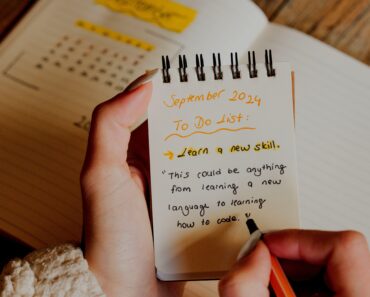
You have probably heard that a tidy desk leads to a tidy mind, and that organization is the secret to getting things done. But what if the opposite were sometimes true? A growing body of research suggests that a little controlled chaos can actually fuel your productivity. By embracing what we call messy productive habits, you might unlock a more creative and focused version of yourself. The key lies in understanding how your brain works with unfinished tasks. The Zeigarnik effect, for instance, shows that unresolved tasks stay cognitively ‘live’ — meaning a half-finished project or a scattered pile of notes keeps tugging at your attention, keeping the idea fresh and active. Psychologist Kathleen Vohs found in a 2013 study that people working in disordered rooms generated more original ideas than those in orderly rooms. This challenges the common productivity myths that equate order with efficiency. Instead, the cognitive benefits of mess include a natural boost to creativity and a way to keep multiple ideas alive without forcing premature closure. So before you rush to declutter everything, consider that a bit of strategic messiness might be exactly what your workflow needs.

Leave Work Unfinished on Purpose
Another counterintuitive habit that might look like a mess is intentionally walking away from a task before it’s done. This isn’t about laziness—it’s a deliberate technique called intentional incompletion. The idea draws on the Zeigarnik effect, named after a psychologist who noticed in the 1920s that waiters could recall unpaid orders clearly but forgot them the moment the bill was settled. Your brain holds onto unfinished tasks because it wants closure, and that tension keeps the project top of mind. A 2025 study in Humanities and Social Sciences Communications confirmed that people remember unfinished work better and are more likely to pick it back up later. In contrast, wrapping up a task neatly can flatten the mental tension that would have carried the next good idea forward. So instead of pushing through every item to completion, try stopping at a point where you know exactly what to do next. That small gap creates a natural hook for your brain to resume—and often sparks fresh thinking during the break.
To make task interruption benefits work for you, distinguish this from procrastination. Deliberate incompletion is planned: you stop mid-step because you want to return with more energy or a new perspective. Procrastination, on the other hand, is avoidance without a comeback strategy. A good rule of thumb is to leave a task unfinished only when you have a clear next action in mind—such as stopping in the middle of a sentence or leaving a tool out as a visual cue. This Zeigarnik effect workflow works best for creative or problem-solving tasks, not for routine chores that need a clean finish. When used intentionally, leaving work undone becomes one of the most effective messy productive habits you can adopt.
Embrace a Messy Workspace for Creative Tasks
You might feel pressure to keep your desk spotless, but there’s a case for letting a little chaos reign—especially when you need fresh ideas. Psychologist Kathleen Vohs found in a 2013 study that people in disordered rooms generated more original ideas than those in orderly rooms. A 2019 replication attempt didn’t confirm the effect, so the science is suggestive rather than settled. Still, the logic makes sense: a disordered environment loosens the mind’s grip on convention, while tidy spaces cue rule-following. For generative work like brainstorming or writing, that mental looseness buys you a wider space of possible answers.
Does a messy desk really help creativity? It depends on the task. For precision work like reconciling numbers, order earns its keep. But for creative tasks, a bit of mess can be a tool rather than a liability. Instead of fighting the clutter, try using it intentionally. Leave your workspace a little disorganized when you’re starting a project that needs originality. You can always tidy up later for focused, detail-oriented work. This is one of the most practical messy productive habits: matching your workspace’s state to the type of thinking you need. A clean desk isn’t always the goal—sometimes the best ideas come from a little disorder.
Tolerate Ambiguity Longer
That clean desk you just finished? It might be costing you better ideas. When you clear every task before a break, you’re often satisfying a psychological itch called the need for closure. Psychologist Arie Kruglanski’s research shows this urge to settle on any answer feels productive, but it rarely produces the best available one. The discomfort of leaving something unfinished is real, but rushing to wrap things up just to feel done can shortchange your creativity. This is where messy productive habits truly shine: you learn to hold space for the messy middle.
People who tolerate ambiguity longer tend to get better ideas and smoother returns to interrupted work. So how do you know if you’re tolerating productive ambiguity or just avoiding decisions? A simple test: if you feel a tight knot in your stomach when you leave a task half-done, that’s the need for closure talking. The key is to notice it without acting on it. Let the loose ends sit for a while. You’ll likely find that when you come back, your brain has been quietly working in the background, making the restart easier and the final result stronger. Clearing every task before a break may actually indicate less patience for discomfort, not more discipline.
Use Disorder to Break Convention
Just as stepping away from a task can refresh your perspective, stepping into a slightly disordered space can actively reshape how you think. A tidy room feels calming, but it can also trigger a mindset of caution and rule-following. Studies show that orderly room participants were more conventional, generous, and likely to choose healthy snacks; order made them more cautious. In contrast, a messy environment loosens the mind’s grip on convention. It signals that it is okay to break the rules, take risks, and explore unconventional ideas. This is why disorder and risk-taking often go hand in hand, making it a surprisingly effective messy productive habit for creative work.
Practical Steps to Implement Disorder Without Chaos: If you are brainstorming or generating new ideas, intentionally allow your workspace to be a little untidy for a short period. The visual clutter can actually stimulate messiness and creativity. Try keeping your desk slightly disorganized during the early stages of a project to encourage convention breaking. Once you need to execute or finalize, you can tidy up to shift back into a more focused, rule-following mode. This doesn’t mean living in total chaos. The goal is to use the environment strategically. Embrace the mess when you need fresh ideas, then restore order when you need to get things done.
Also worth a read: 5 Keystone Habits to Make Routines Stick.
Schedule ‘Messy’ Work Sessions
Now that you know how to use mess strategically, the next step is to schedule it. Intentionally block out time for disorderly, generative work. For precision tasks like reconciling numbers, order earns its keep. But for generative work, disorder seems to buy a wider space of possible answers. So if you have a brainstorming session, a creative problem, or a new project to outline, schedule a “messy” work session. Clear your desk of everything except a notebook and your loose thoughts. Let the chaos have its moment. This is one of the most effective messy productive techniques because it gives you permission to explore without judgment, and it prevents messy habits from taking over your entire day.
How to Use the Zeigarnik Effect Intentionally — The Zeigarnik effect describes how unresolved tasks stay cognitively ‘live’ in your mind. When you schedule a messy session and leave it unfinished, those loose ideas continue to bubble up in the background. This can be a powerful tool for creativity. Instead of trying to finish everything in one go, end your messy session mid-thought. The unresolved tension will keep your brain working on the problem even when you move on to orderly tasks. Compare this to traditional time blocking or the Pomodoro technique. Those methods work well for execution, but they rarely encourage the open-ended exploration that sparks new ideas. By intentionally leaving a creative loop open, you turn messy productivity into a habit that fuels both innovation and follow-through.
Frequently Asked Questions
How can I leave work unfinished without it turning into anxiety or procrastination?
Focus on stopping at a natural pause point, like after completing a small step or in the middle of a straightforward task. This method, a key example of messy productive habits, keeps the task active in your mind without overwhelming you. Pair it with a quick note about your next action to replace worry with a clear plan.
Does a messy desk really help creativity, or is it just a myth?
For open-ended, brainstorming work, a disorderly desk can encourage fresh connections by reducing visual monotony. It is not a myth for creative tasks, but it is not suitable for detail-oriented work like filling out forms or analyzing data. The deciding factor is the type of work: choose visible chaos for generating ideas, and clear order for executing them.
Are these messy habits actually proven to boost productivity, or just anecdotal?
While the concept of messy productive habits often draws on real psychological principles rather than rigid studies, the proof comes from their practical effect on how your brain handles tasks. For example, the Zeigarnik effect explains why an unfinished task sticks in your memory, which you can use to maintain focus. You can test these habits yourself by trying one small adjustment and noticing whether your workflow feels more natural and less forced.