A Brief History of the Humble Mason Jar
John Landis Mason changed home food preservation forever in 1858. He patented a glass jar with a threaded metal lid that created an airtight seal. This invention allowed families to store vegetables and fruits through harsh winters without spoilage. The original design used molded glass and a zinc screw cap with a rubber ring. Modern versions still follow that same basic blueprint.
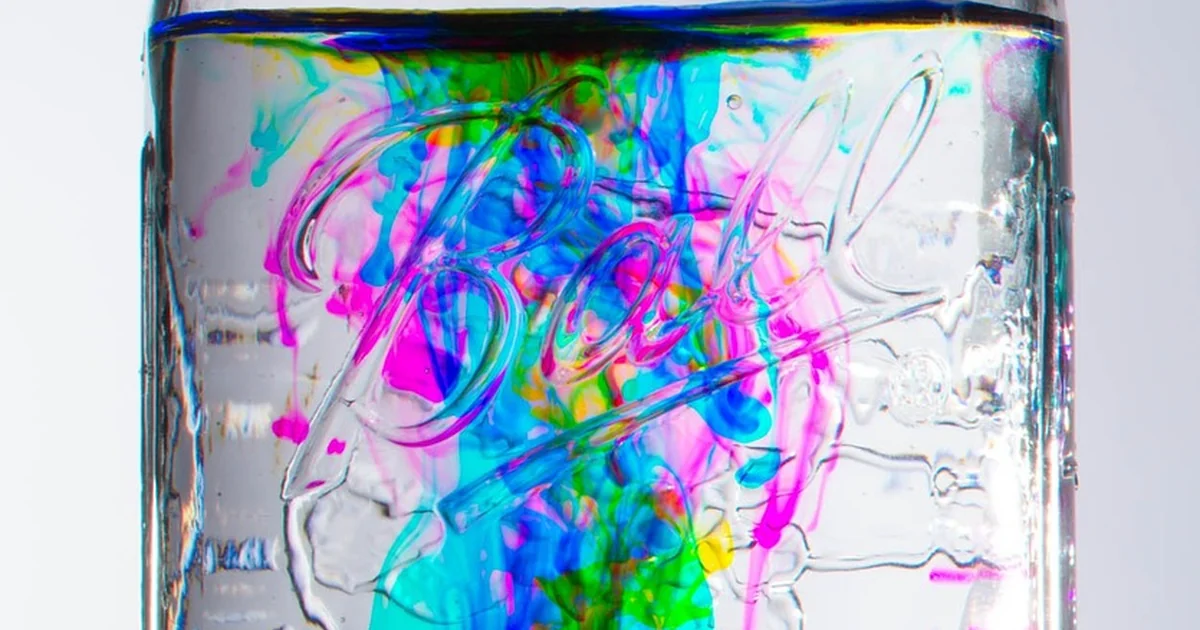
Today the term “Mason jar” applies to any glass jar with a tight-sealing lid, even if another company manufactured it. These containers appear in kitchens across the country, often holding pasta sauce, pickles, or jam. Once emptied, many people toss them into recycling bins without a second thought. That habit overlooks a world of creative potential.
If you are searching for mason jar garden ideas that save money and reduce household waste, you have found the right starting point. These sturdy glass vessels can serve your outdoor space in ways that surprise even experienced gardeners. The nine approaches below will transform how you see every empty jar that passes through your kitchen.
Why Old Jars Belong in Your Landscape
Glass does not break down in landfills. Every jar you repurpose keeps one more piece of waste out of the waste stream. Reusing containers also saves the energy required to manufacture new ones. These environmental benefits matter, but practical advantages matter just as much.
Mason jars resist water, heat, and sunlight better than plastic alternatives. Their transparent walls let you monitor soil moisture, root growth, and water levels without disturbing the contents. The threaded lids provide secure closures that keep pests out and moisture in. Best of all, you can find these jars at garage sales, thrift stores, and online marketplaces for pennies each.
The following mason jar garden ideas require minimal tools and basic craft supplies. Most projects take less than thirty minutes to complete. Your results will add charm, function, and personality to any garden setting.
Nine Clever Ways to Reuse Old Mason Jars in the Garden
1. Water Station for Beneficial Insects
Bees, butterflies, and other pollinators need fresh water just as much as flowering plants need pollination. Shallow water sources pose drowning risks for small insects. A Mason jar solves this problem neatly.
Fill a clean jar with water. Poke several small holes in the metal lid using a nail and hammer. Screw the lid on tightly, then turn the jar upside down and suspend it from a tree branch or hook using twine or wire. Water will drip slowly through the holes, creating a steady supply of moisture. Place a shallow dish or large leaf beneath the jar to catch the drips. Bees will land on the damp surface and drink without danger.
This setup requires refilling every few days during hot weather. Choose a location with partial shade so the water does not evaporate too quickly. You will notice increased pollinator activity within a week of installation.
2. Kitchen Windowsill Herb Garden
Fresh herbs elevate almost any meal, but outdoor gardens do not always survive cold seasons. A row of Mason jars on a sunny kitchen counter keeps basil, parsley, cilantro, and chives within arm’s reach year-round.
Add a two-inch layer of small pebbles or gravel to the bottom of each jar for drainage. Fill the remaining space with high-quality potting soil, leaving one inch of headroom. Sprinkle herb seeds on top, then cover them with a thin layer of soil. Water gently and place the jar where it receives at least six hours of direct sunlight each day.
The clear glass allows sunlight to reach the root zone, which promotes vigorous growth. You can also monitor soil moisture at every depth without lifting the plant. When herbs grow tall enough, snip leaves as needed. Most culinary herbs regrow quickly after harvesting, giving you months of fresh flavor from a single planting.
3. Twilight Candle Holders for Evening Ambiance
Outdoor lighting transforms a garden after sunset, but electric fixtures can feel harsh and solar lights often produce weak illumination. Mason jars offer a middle ground that balances warmth with visibility.
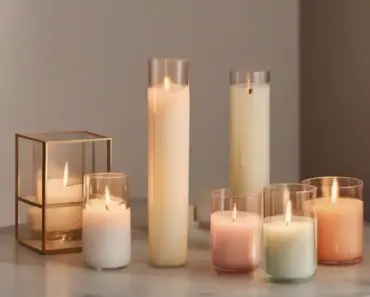
Place a tea light candle or small pillar candle inside each clean jar. Wrap rustic twine around the neck of the jar and tie a secure knot. Hang the jars from tree branches, pergola beams, or fence posts at varying heights. Light the candles as dusk settles and watch the glass amplify the glow.
Group three or four jars together for maximum impact. The glass protects flames from gentle breezes while allowing light to spill outward. This arrangement works beautifully for outdoor dinners, evening gatherings, or quiet nights on the patio. Always extinguish candles before leaving the area unattended.
4. Mason Jar Tiki Torches for Lively Gatherings
Candlelight suits quiet evenings, but parties call for brighter flames. Convert your empty jars into tiki torches that provide both light and conversation starters.
Fill a jar with lamp oil or citronella fuel. Purchase a thick cotton wick and a brass wick holder from a craft store or online supplier. Drill or punch a hole in the metal lid large enough for the wick holder to fit snugly. Insert the wick so one end reaches the fuel and the other extends about half an inch above the lid. Screw the lid onto the jar and let the wick absorb fuel for ten minutes before lighting.
Place these torches on tables, along pathways, or near seating areas. The citronella variety helps repel mosquitoes while providing warm light. Never leave burning torches unattended, and keep them away from flammable materials.
5. Pollinator Water Station with Pebble Perches
Bees need water to regulate hive temperature and dilute honey for feeding larvae. A simple dish of water can drown these valuable insects. The solution involves a Mason jar lid and a handful of small stones.
Remove the lid from a jar and fill it with small pebbles or glass beads. Add water until it reaches just below the top of the stones. Place the lid in a sunny, sheltered spot near flowering plants. Bees will land on the pebbles and drink safely from the shallow pools between them.
Refresh the water every two days to prevent mosquito breeding. Clean the lid weekly with mild soap and rinse thoroughly. This tiny station costs nothing to build and provides essential support for local pollinator populations.
6. Side-Hanging Bird Feeder
Birds add movement, color, and natural pest control to any garden. A Mason jar feeder attracts finches, chickadees, and sparrows without requiring expensive equipment.
You may also enjoy reading: 5 Best Cherry Spots on a Butchart Gardens Spring Tour.
Use a wider jar for this project, such as a quart-sized or half-gallon container. Cut a rectangular opening in one side of the jar using a glass cutter or diamond drill bit. Smooth the edges with sandpaper to prevent injury. Attach a wooden perch below the opening using strong adhesive. Fill the jar with birdseed, screw the lid on, and hang it sideways from a sturdy branch using wire or rope.
Position the feeder near shrubs or trees where birds can take cover from predators. Keep the seed dry by ensuring the opening faces slightly downward. Clean the jar every two weeks to prevent mold growth. You will soon recognize regular visitors by their songs and feather patterns.
7. Self-Watering Planter for Seedlings
Seedlings require consistent moisture, but daily watering can feel tedious. A two-jar system automates hydration while keeping roots healthy.
Take one jar and cut a hole in its lid large enough for a cotton rope to pass through. Thread a six-inch length of rope through the hole, leaving three inches inside the jar and three inches outside. Fill this jar with potting soil and plant your seedling. Fill the second jar with water. Place the first jar on top of the second so the dangling rope end reaches into the water.
Capillary action draws water upward through the rope into the soil. The seedling receives moisture continuously without becoming waterlogged. This setup works especially well for tomatoes, peppers, and other vegetables that benefit from steady hydration. Check the water level every few days and refill as needed.
8. Garden Art Wind Chimes
Wind chimes add auditory texture to outdoor spaces, but store-bought versions can cost more than fifty dollars. A collection of Mason jars creates chimes that look and sound unique.
Gather five to seven jars of varying sizes. Drill a small hole in each metal lid. Thread a length of fishing line or sturdy string through each hole and tie a knot to secure the lid. Hang the jars at different heights from a wooden ring or metal hoop. Space them so they can swing freely without colliding.
When the wind blows, the jars tap against one another with a gentle clinking sound. Paint the jars with translucent glass paint for a stained-glass effect, or leave them clear for a minimalist look. Hang the chimes near a seating area where you can enjoy the soft music during breezy afternoons.
9. Mini Greenhouse for Plant Cuttings
Propagating plants from cuttings requires high humidity and consistent warmth. A Mason jar creates a perfect microclimate for rooting new growth.
Take a healthy cutting from an existing plant, removing lower leaves so only two or three remain at the top. Dip the cut end in rooting hormone powder for faster results. Insert the cutting into a small pot filled with moist potting mix. Place the pot inside a large Mason jar and screw the lid on loosely. Set the jar in a bright location away from direct afternoon sun.
The glass traps moisture and warmth, creating conditions similar to a professional propagation chamber. Open the lid every two days for fresh air exchange. Roots typically appear within two to four weeks, depending on the plant species. Once roots reach one inch in length, transplant the new plant into a regular pot and repeat the process with another cutting.
Getting Started with Your First Project
Choose one idea from this list and gather the necessary supplies. Start with the wildlife water station or the herb garden, since both require almost no tools. As your confidence grows, attempt the bird feeder or the self-watering planter. Each completed project will inspire the next.
Check garage sales, estate sales, and online classifieds for bulk lots of jars. Many sellers offer boxes of mixed sizes for five dollars or less. Inspect each jar for cracks or chips before purchasing. Damaged glass can shatter under temperature changes or pressure.
Clean your jars thoroughly before any project. Soak them in hot, soapy water to remove labels and adhesive residue. A mixture of baking soda and cooking oil lifts stubborn glue without scratching the glass. Rinse well and dry completely before use.
These mason jar garden ideas prove that sustainability and creativity go hand in hand. Each jar you repurpose keeps waste out of landfills while adding beauty and function to your outdoor space. The only limit is your imagination.