Salvia has been gaining a quiet but unstoppable reputation among gardeners searching for dependable fragrance without the fuss. For years, lavender reigned as the go-to aromatic perennial, but a new wave of lavender alternative perennials is beginning to steal the spotlight—and none more prominently than salvia. The shift makes sense once you observe both plants side by side, watching how one demands careful choreography while the other simply gets on with the business of blooming.
What are lavender’s limitations?
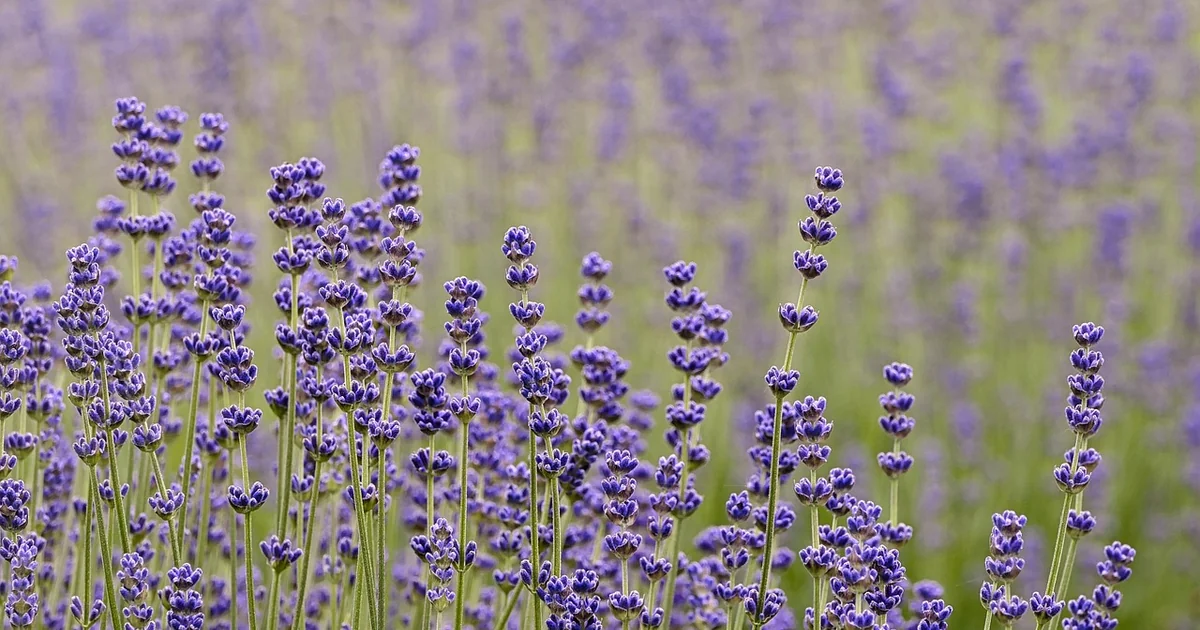
There is no denying the emotional pull of lavender. Its soft purple spires, silvery foliage, and unmistakable fragrance evoke sun-baked hillsides and cottage garden charm. Gardeners plant it along walkways, at front doors, and in terracotta pots precisely for that calming haze. The author grows lavender in containers just outside her house. But for all its romance, lavender arrives with a list of requirements that can feel like a negotiation.
Lavender has a habit of peaking beautifully and then pausing, sometimes for months, looking tired or even woody. It thrives only when given a hot, dry spot with excellent drainage, and it can be unforgiving when paired with the wrong companions or exposed to humid summers. If the soil stays too moist or the air too still, lavender sulks. This is a plant that dictates the scheme, not the other way around. Lavender has peaks and pauses and can get tired or woody; it demands perfect conditions.
How does salvia outperform lavender?
Salvia takes a completely different approach. Where lavender demands a starring role with carefully managed conditions, salvia weaves effortlessly through almost any border or container combination, softening planting schemes without demanding retooling. It flowers for months, often from late spring well into autumn, pushing out fresh spikes even when the gardener has done little to encourage it.
A professional gardener once summed it up: “You work around lavender, but salvia works around you.” That observation rings true in real gardens. The plant seems to adapt, thriving in a range of soils and microclimates, and it does not pause for a long rest after blooming. Its upright, colorful spires maintain visual interest and fragrance even as other plants take their seasonal breaks. Salvia thrives in any season, weaves through any border, and flowers for months with little fuss.
Why is salvia a pollinator magnet?
The tubular flowers of salvia are perfectly shaped for bees, and on sunny days a mature clump can seem almost animated. The constant hum of pollinators working through the spires becomes part of the garden’s soundtrack. This is not a plant that offers a fleeting nectar stop; salvia produces abundant blooms over a long season, making it a reliable food source.
For gardeners hoping to support local insect populations, salvia delivers without the need for extra effort. No special feeding, no careful monitoring for disease—just a plant that invites life into the space. Observing the steady traffic of bees, butterflies, and even hummingbirds where they’re present transforms a quiet corner into a buzzing focal point. On warm days, the container hums with bees working through the spires, making the plant feel animated.
How low-maintenance is salvia?
Busy gardeners often find that salvia matches their reality better than lavender. Forget to water for a few days? Salvia shrugs it off. Neglect to deadhead every spent flower spike? It carries on blooming regardless. The plant’s resilience is startling, especially in the heat of summer when other perennials might wilt.
Lavender, by contrast, can become opinionated. Too much moisture, and it may develop fungal issues; too little, and it goes woody at the base. Salvia’s forgiving nature means that it fits into a low-intervention maintenance routine without sacrificing performance. Many varieties require nothing more than a trim back in early spring to make way for fresh growth. Salvia forgives missed watering and does not require deadheading; it carries on regardless.
Why are gardeners shifting to salvia?
A broader movement is underway in garden design. The days of labor-intensive, high-maintenance plantings are giving way to perennials that deliver a longer season of color and scent with far less work. Salvia has emerged as a poster child for this shift. At the RHS Chelsea Flower Show, salvia claimed a starring role, appearing in multiple show gardens and proving that high-impact design no longer demands high-stakes care.
This trend toward “plant it and forget it” beauty is not about laziness; it’s about practicality. Home gardeners with limited time still want a garden that hums with life and fragrance. Salvia meets that need with a kind of grace that lavender, with its peaks and pauses, often cannot sustain over an entire summer. Gardeners increasingly choose plants that perform over a longer season with less intervention, and salvia excelled at RHS Chelsea.
Why gardeners are seeking alternatives to lavender beyond salvia
While salvia leads the pack, other lavender alternative perennials are gaining ground. The realization that lavender is not the only fragrant, sun-loving plant with a soothing presence has opened the door to experimentation. Gardeners wrestling with clay soil, partial shade, or humid summers are discovering that several perennials offer the same aromatic delight with far fewer demands.
The criteria for a worthy substitute are straightforward: a plant should bring fragrance, handle at least some neglect, attract pollinators, and bloom over a long window without turning into a woody mess. And the list of candidates is longer than many suspect.
The unexpected fragrant perennials that rival lavender’s scent and hardiness
Salvia (Salvia nemorosa and hybrids)
Already discussed at length, salvia is the top contender. Its spires of purple, blue, pink, or white flowers exude a subtle herbal fragrance that carries on warm breezes. Blooms appear from late spring until frost if you choose repeat-blooming varieties. Heights range from compact 12-inch mounds to towering 4-foot specimens, making it versatile for the front border, mid-layer, or a container. Look for ‘May Night’, ‘Bumbleberry’, or ‘Marcus’ for reliable performance.
Russian Sage (Perovskia atriplicifolia)
With wispy, silvery stems and airy panicles of lavender-blue flowers, Russian sage offers a similar ethereal quality to lavender but with greater tolerance for poor, dry soils. The foliage releases a sage-like scent when brushed, and the plant blooms for weeks in mid to late summer, attracting bees and butterflies in droves. It thrives in full sun and resents wet feet, making it perfect for xeriscapes or that hot strip along the driveway where lavender sometimes struggles.
You may also enjoy reading: 11 Rubber Tree Care Secrets for Indoor Ficus Elastica.
Catmint (Nepeta x faassenii and relatives)
If lavender’s fragrance feels nostalgic, catmint provides a softer, minty-herbal scent that drifts through the garden without overpowering. Varieties like ‘Walker’s Low’ (which, despite its name, tops out around 2 feet) produce a generous flush of periwinkle-blue flowers in early summer, then rebloom if sheared. Catmint handles partial shade and clay soils far better than lavender, and it rarely succumbs to the winterkill that can plague Mediterranean herbs in colder zones. The long bloom time and easygoing nature make it a workhorse in cottage borders.
Anise Hyssop (Agastache foeniculum)
Licorice-scented foliage and dense spikes of lavender to purple flowers distinguish anise hyssop. This perennial blooms from midsummer into autumn, holding its own as days shorten. It tolerates heat and humidity—crucial in regions where lavender often collapses from root rot. The fragrance is not a copy of lavender but still calming, with a sweet edge that many people find even more appealing. Pollinators, especially bumblebees and goldfinches (when seeds set), flock to it. Cultivars like ‘Blue Fortune’ offer sturdy, well-branched habits.
Society Garlic (Tulbaghia violacea)
Though its name might conjure heavy culinary alliums, society garlic produces clumps of slender, gray-green leaves that emit a gentle garlic scent only when crushed. The star-shaped, lilac-pink flowers on wiry stems bloom from early summer through fall, providing a delicate texture reminiscent of lavender. This perennial thrives in full sun, tolerates drought, and, crucially, does not mind humidity or occasional wet feet. It also resists deer and rabbit browsing, a fringe benefit for rural gardens. The blooms are edible, adding a mild garlic flavor to salads.
How a shift to lower-maintenance plants is reshaping cottage garden aesthetics
The classic cottage garden brimmed with roses, lavender, and hollyhocks, but the modern version is adapting. Gardeners now prize perennials that give that same romantic feel without constant deadheading, staking, or coddling. This shift is not about minimalism; it’s about choosing plants that deliver abundance with less work. The lavender alternative perennials listed here embody that philosophy—they maintain the haze of purple and silver, the drifting fragrance, and the hum of bees, but they ask far less of the grower.
What makes a perennial a worthy lavender substitute in different climates
Not every garden can offer the scorching, well-drained pocket that lavender prefers. A worthy substitute must match the site’s realities. In humid summers, anise hyssop or society garlic outpace lavender in longevity. For partially shaded spots, catmint often thrives where lavender would falter. In colder zones, Russian sage demonstrates hardiness down to USDA zone 4, whereas lavender often struggles below zone 5. The common thread is fragrance, extended bloom, and resilience—criteria that open up a wider palette of lavender alternative perennials for designing fragrant borders.
The role of continuous bloom time in choosing lavender alternatives
One of lavender’s most glaring limitations is its relatively short bloom window. Even with deadheading, the show lasts a few weeks before the plant takes a rest. In contrast, many lavender alternative perennials are selected for their capacity to rebloom or flower over months rather than days. Salvia, catmint, and anise hyssop will often produce a second or even third flush if cut back. This continuous presence of color and scent transforms a garden bed from a stop-motion burst into a steady, unfolding performance. For anyone who wants fragrance from spring through autumn, these plants are essential.
Frequently Asked Questions
Can I plant lavender alternative perennials alongside existing lavender?
Absolutely. In fact, pairing salvia or Russian sage with lavender can extend the fragrant season and create a layered tapestry of purple hues. Just ensure that the companions share similar drainage and sun needs. If your lavender is in a raised bed with gravelly soil, for example, catmint might appreciate slightly more moisture, so consider grouping plants by their water preferences to avoid conflicts.
What is the best lavender alternative for shady gardens?
True shade will limit options, but for gardens with partial shade or dappled light, catmint (Nepeta) is a strong candidate. It tolerates less sun than lavender and still produces abundant blue flowers. No lavender alternative will match the full fragrance of lavender in deep shade, but catmint’s minty scent and long bloom outperform lavender in such conditions.
Are lavender alternative perennials safe for pets and children?
Most of the plants mentioned—salvia, catmint, Russian sage, anise hyssop, and society garlic—are non-toxic to humans and generally safe for pets in small quantities. Society garlic leaves and flowers are even edible. However, ingestion of any plant material can cause mild stomach upset in some animals, so it’s wise to discourage chewing. Always consult a reliable plant toxicity database if you have concerns about specific species.
The quiet takeover by fragrant perennials like salvia, Russian sage, and their companions is not a rejection of lavender—it’s an expansion of what a fragrant garden can be. By choosing lavender alternative perennials that match your specific site, you give yourself the gift of scent, color, and life without the constant negotiations that lavender sometimes demands.