What if your kitchen remodel budget could deliver twice the impact by focusing on design principles that professional designers use?
Most homeowners spend thousands on trendy features that date quickly while overlooking timeless design strategies that create lasting value. The secret to a successful kitchen remodel isn’t just about choosing the right countertops—it’s about understanding how design elements work together to create a space you’ll love for decades.
Undertaking a Kitchen Remodel Design ranks among the most impactful home improvement projects you can pursue. The kitchen truly serves as the heart of the home—a dynamic space where families cook meals, children do homework, friends gather for conversation, and memories form around shared food. A successful remodel dramatically enhances your daily life, improves functionality, and significantly increases your property value.
A thoughtful Kitchen Remodel Design extends far beyond selecting new appliances or cabinet colors. It considers workflow efficiency, natural light optimization, material durability, storage solutions, and how the kitchen integrates with adjacent rooms and outdoor spaces. The best kitchen designs balance aesthetic beauty with practical functionality, creating spaces that work hard while looking effortless.
Modern kitchen design draws inspiration from multiple sources, including restaurant efficiency principles, spa-like residential aesthetics, and the growing emphasis on indoor-outdoor living. These influences help create kitchens that feel simultaneously professional and inviting, sophisticated yet comfortable, hardworking but beautiful.
This comprehensive guide presents 10 essential ideas for your Kitchen Remodel Design, each focusing on specific aspects that transform ordinary kitchens into extraordinary spaces. These strategies blend current trends with timeless principles, ensuring your investment delivers value for years to come. Whether you’re planning a complete renovation or strategic updates, these ideas will help you create a kitchen that perfectly suits your lifestyle while enchanting everyone who enters.
Understanding Kitchen Remodel Return on Investment
Before diving into specific design ideas, understanding the financial and lifestyle returns from kitchen remodeling helps you make informed decisions about where to invest your budget.
Financial Value of Kitchen Remodels
Kitchen remodels consistently deliver strong returns on investment. National averages show that minor kitchen remodels recoup approximately 70-80% of costs at resale, while major upscale remodels return 50-60%. However, these numbers tell only part of the story. Well-designed kitchens often become the deciding factor when buyers choose between similar properties.
The real financial benefit often comes from increased sale speed rather than just higher prices. Homes with updated kitchens spend significantly less time on market. Outdated kitchens cause potential buyers to either pass entirely or submit lower offers to account for renovation costs they’ll face.
Lifestyle Returns Beyond Money
The daily quality-of-life improvements from a well-designed Kitchen Remodel Design often outweigh financial considerations. Efficient layouts save time and reduce frustration during meal preparation. Better storage eliminates clutter stress. Improved lighting reduces eye strain and creates better ambiance. Enhanced functionality makes cooking more enjoyable, potentially encouraging healthier eating habits.
Social benefits matter too. Beautiful, functional kitchens encourage entertaining and family gathering. They become spaces where memories form rather than tasks to endure. For families that cook frequently, these lifestyle improvements compound daily over years of use.
Strategic Investment Priorities
Not all kitchen improvements deliver equal returns. Cabinetry typically represents 30-40% of kitchen budgets but dramatically impacts both function and appearance. Countertops, flooring, and lighting follow as high-impact investments. Luxury appliances, while appealing, may not return their premium costs unless you’re in high-end markets.
Focus budget on elements you’ll use daily and features that improve workflow. These practical investments deliver the highest satisfaction and value, regardless of whether you’re remodeling for yourself or eventual resale.
Let’s discuss: What’s driving your kitchen remodel—improving daily functionality, preparing to sell, or simply creating a space you love? Understanding your primary motivation helps prioritize design decisions. Share your kitchen goals in the comments!
10 Inspiring Ideas for Your Kitchen Remodel Design
Ready to transform your kitchen into a space that works beautifully and looks stunning? These 10 comprehensive ideas provide the foundation for a successful Kitchen Remodel Design that balances aesthetics with functionality.
1. Embrace Natural Light

Natural light transforms kitchens from functional work spaces into uplifting environments where people want to spend time. Light affects mood, energy levels, and how colors and materials appear. Maximizing natural light should be a top priority in any Kitchen Remodel Design.
Window Expansion Strategies
If structural changes are possible, enlarging existing windows or adding new ones delivers dramatic impact. Replacing a standard window with a larger picture window or bay window floods the space with light while creating a focal point. Consider window placement strategically—views over kitchen sinks make dishwashing less tedious. Windows above countertops provide natural task lighting while cooking.
Floor-to-ceiling windows or sliding glass doors connecting to outdoor areas create the most dramatic effect, essentially removing the barrier between inside and outside. This approach works particularly well when the kitchen opens to a patio, deck, or garden.

Skylights and Light Tubes
When walls don’t offer window options, look up. Skylights bring abundant natural light from above, particularly effective in galley kitchens or spaces surrounded by other rooms. Modern skylights include features like UV protection, remote-controlled shades, and even rainfall sensors that automatically close them.
For budget-conscious projects or when full skylights aren’t feasible, tubular skylights (sun tunnels) capture rooftop light and channel it through reflective tubes to rooms below. These cost less than traditional skylights, require less structural modification, and work well for spaces needing supplemental rather than primary lighting.
Reflective Surfaces Amplify Light
Maximize existing light through reflective materials. Glossy cabinet finishes, polished countertops, glass tile backsplashes, and stainless steel appliances all bounce light around the room, amplifying the brightness from windows and skylights. Light-colored walls and ceilings reflect more light than dark colors, making spaces feel brighter and more open.
Strategic mirror placement—perhaps a mirrored backsplash or decorative mirrors on adjacent walls—multiplies natural light. While not suitable everywhere in a kitchen, selective use of mirrors can dramatically brighten darker areas.
Window Treatment Considerations
The best windows mean nothing if covered by heavy drapes. Choose window treatments that maximize light when open. Simple Roman shades, sheer curtains, or shutters that fully clear the window frame when opened preserve light while providing privacy when needed. For windows without privacy concerns, consider leaving them bare to maximize light and views.
2. Choose Durable, Natural Materials
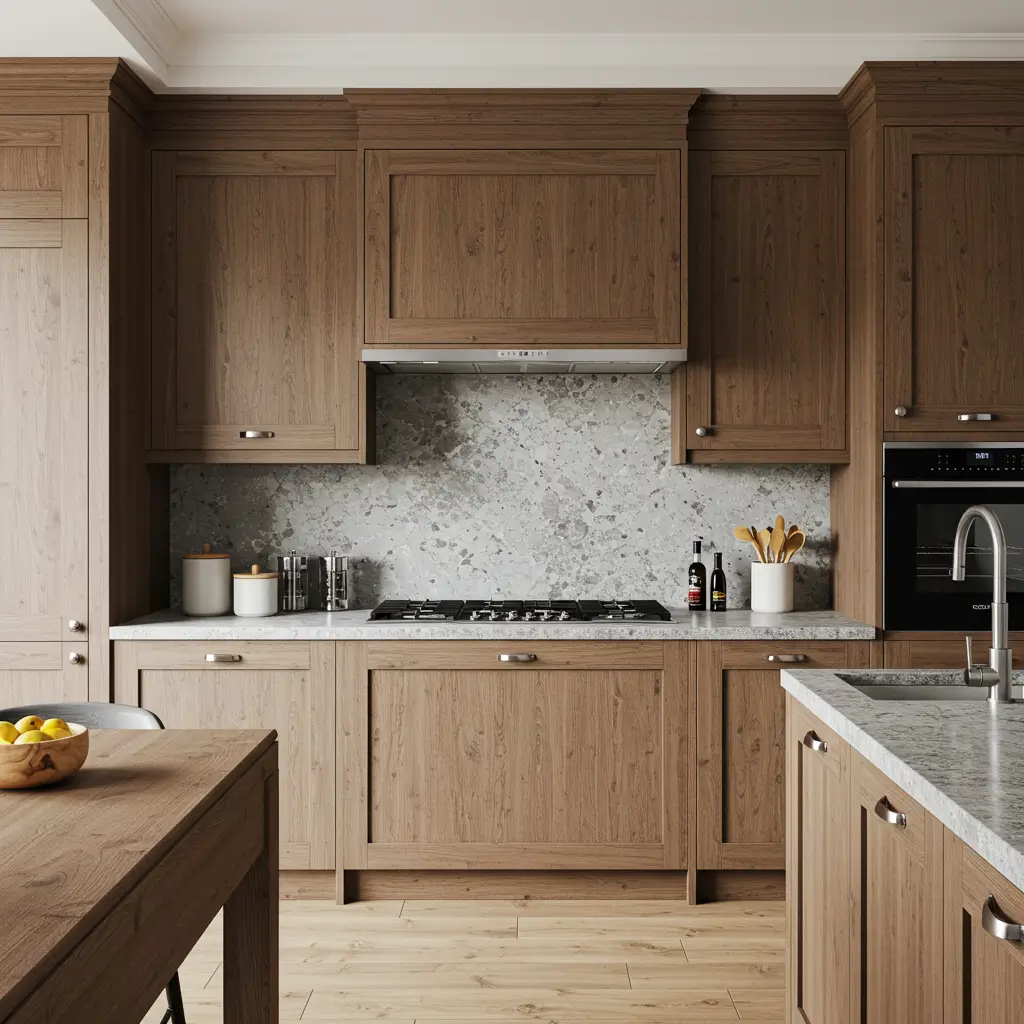
Material selection profoundly impacts your kitchen’s longevity, maintenance requirements, and aesthetic appeal. Natural materials offer timeless beauty, durability, and connection to the organic world that synthetic alternatives struggle to match.
Wood’s Warmth and Versatility
Wood brings warmth, texture, and natural beauty to kitchens. Hardwood flooring provides durability under foot traffic while aging gracefully. Butcher block countertops offer beautiful, functional work surfaces perfect for food preparation. Wood cabinetry ranges from light maple or birch to rich walnut or cherry, each creating distinct moods.
Consider wood species carefully. Harder woods like oak, maple, and hickory withstand kitchen wear better than softer pine. For floors, engineered hardwood offers improved moisture resistance compared to solid wood. Proper sealing and maintenance keep wood looking beautiful for decades.

Stone’s Enduring Beauty
Natural stone countertops—granite, marble, quartzite, soapstone—provide unmatched beauty and durability. Each slab is unique, creating one-of-a-kind surfaces. Granite offers exceptional durability and heat resistance with relatively low maintenance. Marble provides classic elegance but requires more care to prevent staining and etching. Quartzite combines marble’s look with granite’s durability.
For flooring and backsplashes, natural stone tiles in slate, travertine, or limestone add texture and character. Stone’s cool touch and natural color variations connect kitchens to the earth, creating grounding, calming effects.
Ceramic and Porcelain Tiles
Ceramic and porcelain tiles offer durability, water resistance, and endless design possibilities at various price points. Porcelain’s density makes it especially suitable for floors, while ceramic works beautifully for backsplashes. Both come in countless colors, patterns, and textures, including options that convincingly mimic wood, stone, or concrete.
Handmade or artisan tiles add character and uniqueness to backsplashes. Their subtle variations in color and texture create visual interest that mass-produced tiles lack. Consider terracotta tiles for warm, rustic Mediterranean aesthetics.
Mixing Materials Thoughtfully
Don’t feel constrained to one material. Mix materials strategically to create visual interest and optimize function. Perhaps wood cabinets with stone countertops and tile backsplash. Or concrete counters paired with wood open shelving. Ensure materials complement rather than compete with each other through coordinated colors and compatible styles.
3. Opt for Open Shelving or Glass Cabinets

Open shelving and glass-fronted cabinets offer practical benefits and aesthetic appeal that solid upper cabinets can’t match. These options make kitchens feel more spacious, accessible, and personal.
Creating Visual Openness
Removing some upper cabinets opens sightlines, making kitchens feel larger and less boxy. This approach works particularly well in smaller kitchens where solid upper cabinets can feel oppressive. Even replacing just one or two cabinet sections with open shelving creates noticeable spatial improvements.
Open shelving displays your dishes, glassware, and cookware as decorative elements. Attractive items become part of your kitchen’s visual design rather than hidden behind doors. This display opportunity encourages curating your kitchen items to what you truly love and use.

Glass Cabinet Advantages
Glass-fronted cabinets offer a middle ground between open shelves and solid doors. They provide the visual openness of displayed items while protecting contents from dust and cooking splatter. Glass fronts work particularly well for china cabinets or areas displaying special dishware and glassware.
Consider various glass options: clear glass for full visibility, frosted or seeded glass for a softer look that partially obscures contents, or leaded or decorative glass for traditional or craftsman-style kitchens. Interior cabinet lighting behind glass fronts creates dramatic nighttime effects.
Styling Open Shelves
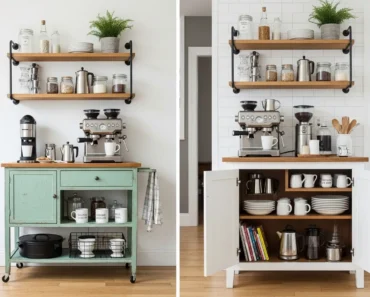
Open shelving requires thoughtful styling. Avoid clutter by displaying only attractive, useful items. Stack white plates or bowls for clean, restaurant-kitchen aesthetics. Group items by color or type. Mix functional pieces (everyday dishes) with decorative elements (plants, cookbooks, artisan pottery).
Maintain organization and cleanliness—open shelves show everything, including dust and disorder. This visibility encourages tidiness but requires more frequent cleaning than closed cabinets. Balance aesthetic appeal with practical maintenance realities.
Strategic Placement
Not every upper cabinet needs replacing. Consider which locations work best for open storage. Areas flanking windows or range hoods are popular spots. Convert just one upper cabinet section to test whether open shelving suits your lifestyle before committing to more extensive changes.
4. Integrate Indoor-Outdoor Flow

Connecting kitchens to outdoor spaces creates expansive, resort-like environments perfect for entertaining and daily living. This integration makes homes feel larger while bringing nature’s benefits indoors.
Door and Window Solutions
Large sliding glass doors or accordion doors that fully open create seamless transitions between inside and outside. When opened, these doors essentially remove the wall, uniting interior and exterior into one continuous space. This transformation proves particularly valuable for entertaining, allowing guests to flow naturally between spaces.
French doors offer a more traditional approach with similar benefits. Pass-through windows between kitchen and outdoor dining areas provide convenient service access while maintaining some separation between spaces.

Creating Outdoor Kitchen Spaces
Complement your indoor kitchen with outdoor cooking and dining areas. Even simple additions like a grill, countertop workspace, and dining table extend your kitchen’s functionality outdoors. More elaborate outdoor kitchens might include pizza ovens, refrigeration, sinks, and covered areas for year-round use.
Design outdoor spaces to complement your interior kitchen’s style and materials. Coordinated color palettes, similar materials, and cohesive design language make the transition feel intentional rather than disjointed.
Visual Continuity Strategies
Create visual flow through material consistency. Extend interior flooring onto patios or use complementary outdoor materials. Coordinate indoor and outdoor paint or stain colors. Use similar furniture styles indoors and out. These connections make spaces feel related even when physically separated.
Sightlines matter enormously. Ensure views from inside to outside feel attractive and intentional. Landscape outdoor areas visible from kitchen windows to create living artwork that changes with seasons.
Climate Considerations
Consider your local climate when planning indoor-outdoor integration. Warm climates allow nearly year-round outdoor use, justifying more investment in outdoor spaces. Cooler climates might focus on seasonal use or covered, heated outdoor rooms that extend the useful season.
We’re curious: Which of these first four design ideas resonates most with your kitchen remodel vision? Is it maximizing natural light, choosing natural materials, opening up storage, or connecting to outdoor spaces? Share what excites you most in the comments!
5. Design a Functional Island or Peninsula

Kitchen islands have evolved from luxury features to standard expectations in most Kitchen Remodel Designs. Well-designed islands serve multiple functions, becoming true centerpieces of kitchen activity.
Multifunction Island Design
The best islands serve several purposes simultaneously. Base design should include substantial storage—drawers for utensils and tools, cabinets for pots and pans, perhaps a wine rack or cookbook storage. Incorporate electrical outlets for small appliances. Add a sink or cooktop if plumbing and ventilation allow, creating secondary work zones that improve kitchen efficiency.
Seating transforms islands into casual dining areas and social hubs where family and friends gather while meals are prepared. Plan for 24 inches of width per person for comfortable seating. Raised eating surfaces with overhang provide legroom for bar stools while hiding kitchen mess from diners.

Size and Clearance Guidelines
Proper island sizing and placement ensures functionality. Maintain at least 42-48 inches of clearance on all sides for comfortable traffic flow and cabinet access. Islands should be proportional to kitchen size—too large in small kitchens creates crowding; too small in large kitchens looks awkward.
Standard island height matches counter height (36 inches), but raised sections at 42 inches accommodate bar seating while providing visual separation between work zones and dining areas. This two-tier approach works well for families wanting to hide kitchen clutter from guests during entertaining.
Peninsula Alternatives
Peninsulas—islands attached to walls or existing cabinetry—work better than freestanding islands in smaller kitchens or galley layouts. They provide similar benefits (extra counter space, storage, seating) without requiring clearance on all sides. Peninsulas also naturally define boundaries between kitchens and adjacent spaces without needing walls.
Material and Design Contrast
Islands offer opportunities to introduce contrasting materials or colors that add visual interest. A wood-topped island in a kitchen with stone counters creates warmth. A dark island in a light kitchen creates dramatic focal points. Different countertop materials on islands versus perimeter counters allow you to use premium materials selectively, controlling costs while achieving high-end looks.
6. Strategic Lighting Plan

Lighting makes or breaks kitchen functionality and ambiance. Comprehensive lighting plans layer different types to create spaces that work beautifully at any time of day.
Ambient Lighting Foundation
Ambient lighting provides overall illumination. Recessed ceiling lights (can lights) offer clean, modern ambient lighting that doesn’t compete with your kitchen’s design. Position them strategically to avoid shadows on work surfaces. Pendant fixtures over islands contribute to ambient lighting while creating visual focal points.
For kitchens with adequate ceiling height, flush-mount or semi-flush ceiling fixtures can provide ambient light while adding decorative elements. Modern fixture designs range from minimalist to statement pieces that anchor your kitchen’s aesthetic.

Task Lighting Essentials
Task lighting illuminates specific work areas where you prepare food, cook, and clean. Under-cabinet lighting is essential for countertop work areas, eliminating shadows that overhead lights cast. LED strip lights or puck lights mounted beneath upper cabinets provide bright, even illumination for cutting, chopping, and food prep.
Pendant lights over islands provide both task lighting for island work surfaces and visual appeal. Choose pendant height carefully—30-36 inches above the island surface works for most applications. Multiple pendants in odd numbers (three or five) create balanced, sophisticated looks.
Accent and Decorative Lighting
Accent lighting adds depth and visual interest while highlighting architectural features or design elements. Interior cabinet lighting behind glass doors displays beautiful dishware while creating warm ambiance. Toe-kick lighting adds subtle glow at floor level, creating nighttime navigation lighting. Under-island lighting creates floating effects.
Decorative fixtures serve as jewelry for your kitchen. Statement pendants, distinctive chandeliers, or unique sconces add personality and style while contributing to overall lighting schemes.
Controls and Technology
Dimmer switches transform lighting from purely functional to mood-enhancing. Dim bright work lights during evening entertaining to create intimate ambiance. Smart lighting systems allow you to program different scenes—bright for cooking, dimmed for dining, minimal for nighttime snacks—controlled through apps or voice commands.
7. Select a Cohesive Color Palette

Color profoundly impacts how kitchens feel and function. Thoughtful color palettes create cohesive, inviting spaces that stand the test of time.
Neutral Foundations
Neutral color schemes provide timeless elegance and versatility. White kitchens feel fresh, clean, and spacious. Off-whites and creams add warmth without sacrificing light-reflecting properties. Grays range from cool contemporary to warm greige tones. Beiges and taupes create welcoming, cozy atmospheres.
Neutral doesn’t mean boring. Layer different shades of your chosen neutral for depth. Mix matte and glossy finishes. Introduce texture through materials rather than color. All-white kitchens with varied materials—matte cabinets, glossy tile backsplash, honed counters—create visual interest through texture and finish rather than color.

Introducing Color Strategically
Add personality through accent colors in backsplashes, islands, or accessories. Blue backsplashes add calming, water-inspired elements. Green islands bring nature indoors. Warm terracotta or rust tones create Mediterranean warmth. These accent colors can change with trends through relatively affordable updates without requiring complete kitchen overhauls.
Consider color psychology when choosing palettes. Blues and greens calm and refresh. Yellows and oranges energize and stimulate appetite. Reds add drama and passion but can overwhelm in large doses. Test color samples in your actual kitchen to see how natural and artificial lighting affects them throughout the day.
Two-Tone Kitchens
Two-tone kitchens create visual interest through strategic color contrast. Popular approaches include white upper cabinets with darker (navy, gray, or wood-toned) lower cabinets, or contrasting islands in different colors than perimeter cabinetry. This technique adds depth and allows you to incorporate multiple colors you love without overwhelming the space.
Creating Flow with Adjacent Spaces
Consider how your kitchen’s colors relate to visible adjacent rooms. Consistent or complementary color schemes create harmonious flow throughout your home. Drastically different colors in open-concept spaces can feel jarring and disconnected.
8. Improve Storage Solutions

Adequate, well-organized storage separates functional kitchens from frustrating ones. Smart storage solutions maximize capacity while keeping everything accessible and organized.
Pull-Out and Pull-Down Systems
Pull-out shelves in lower cabinets provide easy access to items at the back without requiring crawling or stretching. Pull-out trash and recycling bins hide unsightly waste containers while keeping them conveniently accessible. Pull-out spice racks organize dozens of spices in narrow spaces between cabinets or appliances.
Pull-down shelves make upper cabinet contents accessible without step stools. These spring-loaded systems work particularly well for items you use frequently but can’t comfortably store at lower levels.

Drawer Organization
Deep drawers with dividers and organizers maximize usable space while keeping contents visible and accessible. Drawer systems work better than cabinets for pots, pans, and small appliances—you can see everything at once rather than digging through stacked items.
Dedicate drawers to specific functions: one for utensils, another for measuring tools and gadgets, separate drawers for knives, wooden spoons, and pot holders. Custom drawer inserts keep everything in designated spots, eliminating the jumbled drawer syndrome.
Vertical Storage Solutions
Use vertical space efficiently through tall pantry cabinets, vertical tray dividers for baking sheets and cutting boards, and pull-out vertical storage for cleaning supplies. These solutions prevent stacking and make items accessible with a glance.
Open vertical storage—like wall-mounted racks for pots, pans, or utensils—combines functionality with decorative appeal. Hanging storage keeps frequently used items within easy reach while freeing drawer and cabinet space for less-used items.
Corner Solutions
Corner cabinets often waste significant space through poor accessibility. Lazy Susans, pull-out systems, or magic corner units maximize corner storage while keeping everything reachable. These solutions cost more than standard shelves but dramatically improve functionality in otherwise difficult-to-use spaces.
9. Add Personal Touches & Greenery

Personal touches and living plants transform kitchens from showrooms into homes. These elements inject personality, warmth, and life into your Kitchen Remodel Design.
Hardware as Jewelry
Cabinet hardware—knobs, pulls, and handles—serves as jewelry for your kitchen. These small elements create surprisingly large visual impact. Choose hardware that reflects your style: sleek modern pulls for contemporary kitchens, ornate knobs for traditional spaces, leather pulls for rustic farmhouse aesthetics.
Don’t feel constrained to matching every piece. Mixing knobs and pulls adds visual interest. Perhaps pulls on drawers and knobs on cabinet doors, or different styles for upper versus lower cabinets.

Art and Decorative Objects
Kitchens can display art just like any other room. Hang artwork that resonates with you and suits kitchen environments—food photography, botanical prints, vintage culinary advertisements, or abstract pieces in coordinating colors. Choose artwork that can handle occasional splatter and humidity.
Display beautiful kitchen objects as decor: vintage copper pots, colorful Le Creuset cookware, attractive cutting boards, artisan pottery. Functional items that are also beautiful earn their keep through both utility and aesthetics.
The Power of Plants
Plants bring life, color, and air-purifying benefits to kitchens. Herb gardens on windowsills provide fresh ingredients while adding greenery. Potted plants on counters, open shelves, or hanging from ceilings soften hard surfaces and introduce organic shapes.
Choose kitchen-appropriate plants that tolerate varying light and occasional temperature fluctuations: pothos, spider plants, herbs (basil, mint, rosemary), succulents for sunny spots, or snake plants for lower light. Even small succulents in attractive pots add charm to kitchen windowsills.
Collections and Meaningful Items
Display collections that tell your story: vintage ceramics, colorful glassware, cookbooks, or kitchen tools from travels. These personal elements make your kitchen uniquely yours rather than a generic design straight from a magazine.
10. Consider Appliance Integration

Appliance choices impact functionality, aesthetics, and long-term costs. Strategic appliance selection and integration create cohesive, efficient kitchens.
Integrated vs. Freestanding Appliances
Integrated appliances hide behind cabinet panels, creating seamless, uniform appearances where appliances virtually disappear. This approach works beautifully for dishwashers, refrigerators, and even ranges. Integrated appliances create clean, contemporary aesthetics without appliance surfaces interrupting cabinetry flow.
Freestanding appliances cost less and offer easier replacement but create more visual variety. Some homeowners prefer visible professional-style ranges as focal points. Balance integration with budget and aesthetic preferences—perhaps integrate the dishwasher and refrigerator while showcasing a beautiful range.

Energy Efficiency Considerations
Energy-efficient appliances reduce utility bills and environmental impact over their lifespans. Look for ENERGY STAR ratings when selecting refrigerators, dishwashers, and other major appliances. These models use significantly less energy and water than standard versions, delivering savings that can offset higher initial costs.
Modern appliances also offer improved functionality—quieter operation, better temperature control, smart features that enhance convenience. These benefits often justify premium costs even beyond energy savings.
Smart Appliance Technology
Smart appliances connect to your home network, offering remote control and monitoring through smartphone apps. Preheat your oven while driving home. Receive alerts when your dishwasher finishes. Check refrigerator contents through internal cameras while grocery shopping. These conveniences genuinely improve daily life for tech-comfortable homeowners.
Appliance Size and Configuration
Choose appliance sizes appropriate to your household’s needs and kitchen’s proportions. Oversized refrigerators dominate small kitchens while undersized versions frustrate large families. Consider alternative configurations: refrigerator drawers for convenient produce storage, double ovens for serious cooks, steam ovens for healthy cooking options.
Your turn: Which of these 10 kitchen remodel design ideas will transform your space most dramatically? Have you tried any of these strategies in previous kitchen projects? Share your experiences, questions, or plans in the comments below!
Related Posts: Inspiring Office Interior Decoration: 11 Essential Ideas
Drawing Inspiration from Home & Outdoor Aesthetics
Incorporating elements from Home and Outdoor Aesthetic trends into your Kitchen Remodel Design elevates spaces from purely functional to truly exceptional environments that nurture body and soul.
Creating a Welcoming Atmosphere
The best kitchens feel as comfortable as living rooms rather than sterile work spaces. This welcoming quality comes through thoughtful details: comfortable seating that invites lingering, soft lighting that flatters and soothes, personal touches that reflect your family’s story, and layouts that facilitate conversation and connection.
Texture plays an enormous role in creating warmth. Mix smooth and rough, shiny and matte, hard and soft. A kitchen with only hard, glossy surfaces feels cold despite beautiful materials. Adding fabric (cushions, curtains, rugs), woven elements (baskets, natural fiber blinds), and organic materials (wood, plants, stone) creates sensory richness that makes spaces feel more inviting.
Connecting with Nature
Biophilic design—incorporating natural elements into built environments—offers proven psychological benefits including reduced stress, improved mood, and enhanced creativity. Kitchens naturally lend themselves to this approach through houseplants, herb gardens, natural materials, nature-inspired colors, and views to outdoor spaces.
This connection doesn’t require dramatic structural changes. Even small gestures—a bowl of lemons on the counter, fresh flowers in a vase, a collection of smooth river stones, wood cutting boards displayed on open shelves—bring nature’s calming influence indoors. The more you incorporate natural elements, the more your kitchen feels like a restorative environment rather than merely a work space.
Functionality and Flow
The kitchen work triangle—the path between refrigerator, sink, and stove—represents classic kitchen design wisdom that remains relevant. This concept minimizes unnecessary movement during cooking, improving efficiency and reducing fatigue. Modern interpretations expand this to work zones (prep zone, cooking zone, cleaning zone, storage zone) that organize kitchen functions logically.
Good flow extends beyond the cook’s experience to accommodate multiple users simultaneously. Well-designed kitchens allow one person to cook while another does dishes and kids do homework at the island without constant collisions. This multi-user functionality makes kitchens true family gathering spaces rather than one-person workshops.

Maintaining Your Kitchen Remodel Investment
Proper maintenance preserves your newly remodeled kitchen’s beauty and functionality for decades. Establishing good care habits from day one protects your investment.
Regular Cleaning and Care
Different materials require specific cleaning approaches. Natural stone needs pH-neutral cleaners to avoid etching. Wood surfaces need gentle cleaning without excess water. Stainless steel shows every fingerprint but cleans easily with specific products. Learn proper care techniques for each material in your kitchen and establish cleaning routines that prevent buildup.
Promptly address spills and messes before they set or stain. Wipe cooking splatter from backsplashes daily. Clean up spills on counters immediately. Run the dishwasher regularly rather than letting dirty dishes accumulate. These small daily habits prevent larger cleaning challenges and keep your kitchen looking fresh.
Protecting Surfaces
Use trivets and hot pads under hot pots and pans to protect countertops from heat damage. Use cutting boards to prevent knife marks on counters. Place coasters under glasses to prevent water rings. These simple protective measures prevent damage that’s expensive or impossible to repair.
Maintain wood surfaces according to manufacturer recommendations. Some need periodic oiling or waxing to preserve their finish and prevent drying. Sealed surfaces may simply need regular cleaning, while unsealed surfaces require more intensive maintenance.
Addressing Minor Issues
Check periodically for loose cabinet hardware, dripping faucets, stuck drawers, or other minor issues. Tighten loose screws before they strip out. Address plumbing leaks immediately to prevent water damage. Repair minor problems before they become major repairs that require professional intervention and significant expense.
Maintain appliances according to manufacturer guidelines. Clean refrigerator coils, replace water filters, clean oven interiors, empty and clean dishwasher filters. These maintenance tasks extend appliance life and maintain efficient operation.
Making the Right Decisions for Your Kitchen Remodel
Successful Kitchen Remodel Design requires balancing multiple considerations: budget constraints, lifestyle needs, aesthetic preferences, and practical functionality. Strategic planning helps you navigate these sometimes-competing priorities.
Set a Realistic Budget
Determine your total available budget before beginning design work. Include contingency funds (typically 10-20% of total budget) for unexpected issues that arise during renovation. Allocate funds strategically: cabinetry typically represents 30-40% of budgets, countertops 10-15%, appliances 15-20%, labor 20-35%, with remaining funds for flooring, lighting, plumbing, and finishing touches.
Identify your priorities and invest accordingly. If cooking is your passion, splurge on appliances and generous prep space even if that means simpler cabinetry. If entertaining matters most, invest in a stunning island and open layout that facilitates gathering. Knowing your priorities helps you spend wisely on elements that matter most to you.
Consider Your Lifestyle
Your daily kitchen use should drive design decisions. Serious cooks need substantial prep space, professional-grade appliances, and extensive storage for cookware and ingredients. Families with young children need durable surfaces, ample storage, and open layouts that allow supervision while cooking. Empty nesters might prioritize entertaining features, wine storage, and elegant finishes over kid-friendly durability.
Think about how you use your kitchen beyond cooking. Do children do homework there? Do you pay bills at the kitchen table? Do you entertain frequently? These activities influence design decisions about seating, desk areas, and layout openness.
Seek Professional Advice
Professional kitchen designers bring expertise in layout optimization, material selection, code requirements, and problem-solving. They’ve seen countless kitchens and understand what works and what doesn’t. This experience helps you avoid costly mistakes and make informed decisions.
Even if you’re not hiring full-service design, consider consultation services to review your plans and provide feedback. Many designers offer hourly consulting that delivers valuable insights without the cost of full-service design. Their input on critical decisions—layout configuration, material selections, appliance specifications—can save more than their fees cost.
Common Kitchen Remodel Mistakes to Avoid
Learning from others’ mistakes helps you sidestep common pitfalls that undermine Kitchen Remodel Designs.
Inadequate Storage Planning
The most common regret homeowners express after kitchen remodels is insufficient storage. Plan for more storage than you think you need. Kitchens accumulate items over time, and excess storage never goes unused. Every cabinet and drawer should have a specific purpose and organized contents.
Poor Lighting Design
Relying solely on overhead lighting creates shadows and dim work surfaces. Layer multiple lighting types—ambient, task, and accent—for functional, beautiful results. Include lighting in your initial budget rather than treating it as an afterthought.
Ignoring the Work Triangle
Aesthetically beautiful kitchens that ignore workflow principles frustrate daily users. Maintain efficient distances between major work areas. Avoid placing the refrigerator too far from prep areas or the stove unreachably distant from the sink.
Trendy Over Timeless
Very trendy choices date quickly and may not align with your home’s resale market. Balance current styles with classic elements. Save trendy expression for easily changeable elements like hardware, backsplash, or paint rather than expensive cabinetry or countertops.
Skimping on Quality
Choosing the absolute cheapest options for major elements often leads to disappointment and premature replacement. Invest in quality cabinetry, countertops, and appliances that withstand daily use. These elements should last 15-20 years minimum—cheap versions fail much sooner.
Creating Your Dream Kitchen
Your Kitchen Remodel Design represents an extraordinary opportunity to create a space that enhances your daily life while expressing your personal style. This isn’t merely about updating an outdated room—it’s about designing the heart of your home where meals are prepared, memories are made, and families connect.
By considering these 10 inspiring ideas—maximizing natural light, choosing durable natural materials, incorporating open storage, connecting to outdoor spaces, designing functional islands, planning strategic lighting, selecting cohesive colors, improving storage, adding personal touches, and integrating appliances thoughtfully—you create a comprehensive Kitchen Remodel Design that balances beauty with functionality.
Remember that the best kitchens reflect their owners’ unique needs and preferences rather than blindly following design trends. Your kitchen should serve your specific lifestyle, accommodate your cooking style, and express your aesthetic sensibilities. Thoughtful planning ensures your remodel delivers a space you’ll love using every single day for years to come.
The investment in time, money, and energy that kitchen remodels require delivers returns far beyond increased home value. It transforms one of your most-used spaces into an environment that makes daily tasks more enjoyable, encourages healthier eating, facilitates family time, and creates pride in your home. These lifestyle improvements compound over years of use, making kitchen remodels among the most satisfying home improvement projects homeowners undertake.
Now we want to hear from you: What’s the primary goal driving your kitchen remodel—better functionality, updated aesthetics, increased home value, or creating a gathering space for family and friends? And which of these 10 design ideas will you prioritize first in your project? Share your kitchen remodel vision and questions in the comments below—let’s help each other create amazing kitchens!
Frequently Asked Questions About Kitchen Remodels
How long does a typical kitchen remodel take from start to finish?
Timeline varies significantly based on project scope and complexity. Minor kitchen remodels focusing on cosmetic updates (new countertops, backsplash, paint, hardware) can complete in 2-4 weeks. Standard kitchen remodels involving new cabinetry, countertops, flooring, and appliances typically require 6-12 weeks from demolition to completion. Major renovations that include structural changes, relocated plumbing or electrical, custom cabinetry, or layout modifications can extend 3-6 months. Factors affecting timeline include material availability (custom cabinets take 6-8 weeks to manufacture), contractor availability, permit requirements, and unexpected issues discovered during demolition. Working with experienced contractors who provide detailed timelines helps set realistic expectations. Plan for your kitchen to be largely unusable during active construction, requiring temporary cooking arrangements. Buffer extra time into your schedule for inevitable delays—material shipment issues, weather affecting deliveries, or installation challenges can add days or weeks to even well-planned projects.
What’s a realistic budget for a complete kitchen remodel?
Kitchen remodel costs vary enormously based on size, material quality, labor rates, and scope. As rough guidelines: minor cosmetic remodels start around $10,000-20,000 for basic updates in average-sized kitchens. Mid-range remodels typically cost $25,000-50,000, including new cabinets, countertops, appliances, flooring, and lighting with quality materials and finishes. Major upscale renovations easily exceed $75,000-100,000+ for high-end materials, custom cabinetry, professional-grade appliances, and structural changes. Per-square-foot estimates range from $100-150 for basic remodels to $250-400+ for luxury renovations. Specific costs depend heavily on your location—labor and materials cost substantially more in major metropolitan areas than rural regions. Cabinet choices dramatically impact total costs, typically representing 30-40% of budgets. Countertop material selection makes huge differences—laminate costs $20-50 per square foot while natural stone ranges $50-200+. Always include 10-20% contingency in your budget for unexpected issues. Get multiple detailed quotes from licensed contractors before committing to scope and budget.
Should I prioritize aesthetics or functionality in my kitchen remodel design?
The most successful Kitchen Remodel Designs achieve balance between aesthetics and functionality—neither should be sacrificed entirely for the other. However, if forced to prioritize, functionality should take precedence for one simple reason: you use your kitchen daily for essential tasks, while appearance primarily affects visitors and your own satisfaction. A beautiful kitchen that doesn’t work well becomes a daily source of frustration. Conversely, an efficient but plain kitchen can be upgraded aesthetically over time through relatively affordable changes like paint, hardware, lighting, or backsplash updates. That said, the best approach integrates both from the start. Thoughtful design accommodates practical needs (adequate prep space, efficient workflow, sufficient storage) within aesthetically pleasing frameworks. For example, choosing beautiful but durable countertop materials satisfies both form and function. Designing an attractive island that also provides much-needed storage and seating serves multiple purposes. Work with designers who understand that great Kitchen Remodel Design seamlessly merges beauty and utility rather than treating them as competing priorities.
What are the most popular and practical countertop materials for kitchens?
Several countertop materials offer excellent combinations of durability, appearance, and value. Quartz (engineered stone) has become extremely popular for good reason—it offers stone appearance without maintenance hassles, resists staining and scratching better than natural stone, comes in countless colors and patterns, and requires no sealing. Cost ranges $50-150 per square foot installed. Granite remains a classic choice offering natural beauty, heat resistance, durability, and unique patterns in each slab. Requires periodic sealing but withstands daily use beautifully. Cost: $50-200+ per square foot depending on rarity. Marble provides unmatched elegance and luxury but requires more maintenance to prevent staining and etching from acidic substances. Best reserved for areas with lighter use or homeowners committed to careful maintenance. Cost: $75-250+ per square foot. Butcher block adds warmth and provides excellent cutting surfaces but needs regular oiling and careful cleaning to prevent water damage. Works beautifully for islands. Cost: $50-150 per square foot. Solid surface materials like Corian offer seamless installations, easy repair of damage, and numerous colors. Less prestigious than stone but highly practical. Cost: $40-100 per square foot. Consider your cooking habits, maintenance tolerance, and budget when selecting. Busy families might prefer low-maintenance quartz while serious cooks might love butcher block despite extra care requirements.
How can I make my kitchen feel more connected to outdoor spaces?
Creating strong indoor-outdoor connections makes kitchens feel larger, brighter, and more integrated with nature. Most effective strategy: install large sliding glass doors, accordion doors, or French doors that open from your kitchen to patios, decks, or gardens. When opened, these doors essentially eliminate the barrier between inside and outside, creating one continuous space perfect for entertaining. If door installation isn’t feasible, maximize windows—larger windows or adding new windows increases natural light and provides views to outdoor spaces, creating visual connections even when physical access doesn’t exist. Create visual continuity through consistent design elements: extend interior flooring materials to exterior patios (or use complementary materials), use similar color palettes indoors and outdoors, repeat furniture styles in both areas. Design attractive outdoor spaces visible from your kitchen—landscaping that’s beautiful to view while cooking provides constant connection to nature. Add functional outdoor cooking and dining areas that extend your kitchen’s capabilities outdoors. Even simple additions like potted plants, fresh flowers, or herb gardens on kitchen windowsills bring outdoor elements inside. Choose natural materials (wood, stone) for interior finishes that echo outdoor landscapes. These strategies create seamless transitions that make your entire property feel more cohesive and your kitchen more connected to the natural world.