You walk into your kitchen, and a tiny dark cloud rises from the fruit bowl. These uninvited guests, often called kitchen gnats, can make a clean home feel suddenly unsanitary. The good news is that handling them does not require a professional exterminator or harsh chemical foggers. A few smart, targeted strategies based on simple science are usually all it takes to reclaim your space. Below are the five most effective ways to get rid of them for good.
Why Gnats Invade Your Kitchen
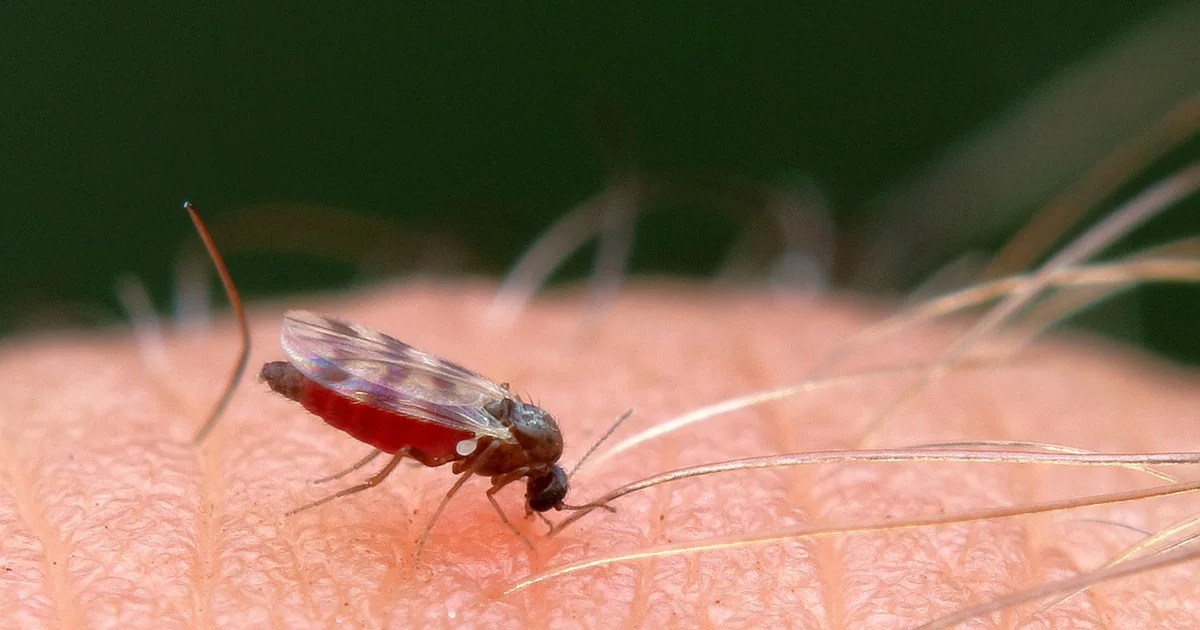
Before launching an attack, it helps to know exactly what you are dealing with. Many people refer to every small flying insect as a gnat. In reality, you might be hosting fruit flies or drain flies. All three types, however, share a love for the same environment. They thrive on moisture, fermenting sugars, and organic residue. A forgotten potato at the back of a cabinet, a damp sponge by the sink, or a dirty dish in the drainer can support an entire generation of these pests. Understanding this shared attraction is the first step toward making your kitchen completely unappealing to them.
A single fruit fly can lay up to 500 eggs in her lifetime. These eggs can hatch in as little as 24 hours. This means a small oversight today can turn into a full-blown infestation tomorrow. The key is to interrupt their life cycle by removing their food sources and trapping the adults. The five methods below address both sides of the problem.
5 Proven Ways to Eliminate Kitchen Gnats for Good
1. Master the Apple Cider Vinegar Trap
The apple cider vinegar trap remains a household favorite because it works reliably. Gnats and fruit flies find the fermenting scent of vinegar irresistible. To build this trap, pour about a quarter cup of apple cider vinegar into a small glass bowl or a mason jar. Add a single drop of liquid dish soap. The soap is the secret weapon. It weakens the surface tension of the vinegar.
When a gnat lands on the liquid, it sinks immediately instead of floating. It drowns within seconds. For faster results, cover the top of the container with plastic cling wrap. Secure it with a rubber band or string. Poke several small holes in the plastic using a toothpick. The scent escapes through these holes and draws gnats in from across the room. They enter easily but struggle to find the exit. Place one trap near the fruit bowl and another near the sink. Replace the vinegar every three days until you stop catching insects.
2. Flush Out Your Drains Completely
Most established kitchen gnat problems originate from the drain. The inside of your drain pipe is dark, damp, and often coated with a slimy biofilm made of soap scum, toothpaste, and food particles. This biofilm is a perfect nursery for drain flies and a steady water source for gnats. Cleaning this hidden breeding ground is essential.
Start with a simple fizzy scrub. Pour half a cup of baking soda and half a cup of table salt directly down the drain. Follow this with a full cup of white vinegar. You will hear a strong fizzing reaction immediately. This reaction helps loosen the biofilm and organic sludge from the pipe walls. The salt acts as a mild abrasive to scrub away stubborn residue. Let this mixture sit for at least one hour. Finally, boil a kettle of water and flush the drain thoroughly. The heat kills any eggs or larvae clinging to the pipe.
For a deeper sanitizing treatment, use a bleach solution. This is best for drains that smell musty or have a visible fly problem. Mix one cup of standard household bleach with one gallon of cool water. Wear gloves and protect your eyes from splashes. Pour the solution slowly down the drain. Allow it to sit for about ten minutes before rinsing with hot tap water. Do not use bleach immediately after the baking soda method, as the two chemicals can neutralize each other. Stick to one method per cleaning session.
3. Create Natural Scent Barriers
Gnats rely heavily on their sense of smell to find food. You can disrupt this ability using common kitchen spices. Cinnamon is a surprisingly effective repellent. Its strong aroma masks the sugary and fermented smells that attract gnats. Sprinkle a thin layer of ground cinnamon directly into your kitchen trash can. You can also dust it over the soil of potted plants to deter fungus gnats. The spice is non-toxic to pets and children when used in small amounts.
You can also mix a simple repellent spray. Fill a standard spray bottle with one cup of water. Add a tablespoon of white vinegar and two or three drops of liquid dish soap. Add a tiny pinch of baking soda. Shake the bottle gently until the baking soda dissolves. Spray this mixture along your countertops, around the base of the sink, and near the trash bin. The vinegar scent repels adult gnats. The soap residue makes surfaces slightly slippery and less attractive for egg-laying. Apply the spray daily during an active infestation.
You may also enjoy reading: 5 Signs Backyard Chickens Are Worth the Time.
4. Deploy Light and Sticky Traps
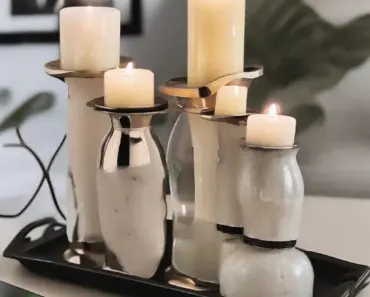
Physical traps offer a chemical-free way to reduce adult populations quickly. A candle trap works well for evening use. Place a short, sturdy candle in the center of a shallow dish. Pour a small amount of water into the dish, about a quarter inch deep. Add a drop of dish soap to break the water surface tension. Light the candle in a dark kitchen. Gnats are naturally drawn to the flame. They will fly toward the light and either hit the flame or land in the soapy water below. Once they touch the water, they drown. Never leave a burning candle unattended, and keep it away from curtains, pets, and children.
Sticky traps are another excellent barrier. Plug-in glue traps use a gentle warm light and a scent lure to attract flying insects. They catch them on a replaceable sticky cartridge. These devices work continuously and are very clean. For houseplants, use yellow sticky stakes. Insert the stake directly into the potting soil. The bright yellow color attracts adult fungus gnats. They land on the glue and cannot escape. Replace the stakes when they become covered. This method stops gnats from laying new eggs in the damp soil.
5. Eliminate Moisture and Food Sources
No trap can outpace an unchecked breeding ground. The most professional way to handle kitchen gnats is to remove what they need to survive. This means denying them both food and standing water. Start by evaluating your produce. Store ripe bananas, tomatoes, and other soft fruits in the refrigerator. If you keep fruit on the counter, wash it thoroughly and eat it within a day or two. Discard any bruised or rotting pieces immediately.
Next, change your kitchen cleaning routine. Take out the trash every single day, especially during warm months. Wash dirty dishes immediately after meals. Do not let them pile up in the sink overnight. Dry your sink, drainboard, and countertops with a clean towel every evening. A dry surface is far less attractive to gnats than a damp one. Check under your sink for leaky pipes. Even a slow drip can create enough moisture to support a population of gnats. Fix any leaks promptly. Wipe down the inside of your trash can with a disinfectant spray once a week. This prevents residue from building up in the corners.
Pay attention to your sponges and dish rags. Damp sponges are a classic hiding spot for gnat eggs. Replace your kitchen sponge every week, or wash it in the dishwasher on the sanitize cycle. Let dish rags dry completely between uses. By cutting off the water and food supply, your traps will finish off the remaining adult gnats in a few days.
Combining two or three of these methods at the same time will clear your kitchen much faster than trying one at a time. Set out a vinegar trap, clean the drains thoroughly, and stick to a dry-sink routine. Within a week, you will notice a dramatic drop in flying pests. With a little consistency, you can keep the kitchen gnat population under control naturally and safely.